Carbon is a US-based 3D-printing technology company whose printers, polymer materials and software are used to manufacture footwear components and, in selected projects, entire printed shoe structures. It is not a consumer sneaker brand and does not sell the shoes pictured here directly. Its importance to footwear lies in supplying a production system that brands and manufacturing partners use to make intricate lattice structures and customized shapes.
Carbon’s official footwear industry page documents work with adidas, PUMA and Vivobarefoot. Those examples span very different products: an engineered lattice midsole, a sculptural printed fashion shoe and a custom-fit barefoot sandal. The common thread is Carbon’s Digital Light Synthesis (DLS) technology, not a single proprietary sneaker design.
What Carbon supplies to the footwear industry
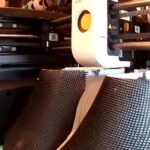
DLS uses light to cure liquid photopolymer resin into a designed geometry. Carbon combines this process with its printers, Design Engine software and a portfolio of elastomeric materials. Designers can vary a lattice’s geometry in ways that conventional foam molding cannot easily reproduce without new tooling. That capability is relevant to midsole cushioning zones, custom insoles, open structures and low-volume product experiments.
Carbon’s current product information names EPU 46 and EPU Pro among footwear-relevant elastomers. Each material has different characteristics, and brand marketing terms such as ‘energy return’ should not be read as independent results for every shoe made using that resin. Carbon also operates a production network; the company provides the platform, while individual manufacturers and partners handle physical production in many projects.
The company introduced the M3 and M3 Max printer generation in 2022, positioning them for more consistent production and larger or more detailed builds. Exact equipment, resin and manufacturing throughput differ by project and should not be assumed from a brand’s use of the Carbon name.
Three footwear applications worth knowing
adidas Futurecraft 4D: Carbon’s 2017 partnership announcement documented a light-cured lattice midsole developed with adidas. The collaboration established a practical use of digitally tuned polymer geometry in performance footwear, although any claim about a particular retail model’s durability or comfort still needs model-specific evidence.
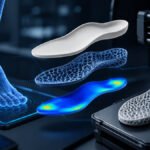
Vivobarefoot VivoBiome Tabi Gen 02: Vivobarefoot’s official platform identifies Carbon as its technology and materials partner and OECHSLER as the manufacturer. Buyers obtain a foot scan and order a made-to-measure sandal; Carbon does not operate the consumer checkout. Our Tabi Gen 02 launch coverage documents the physical product and earlier technical claims.
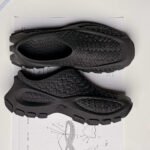
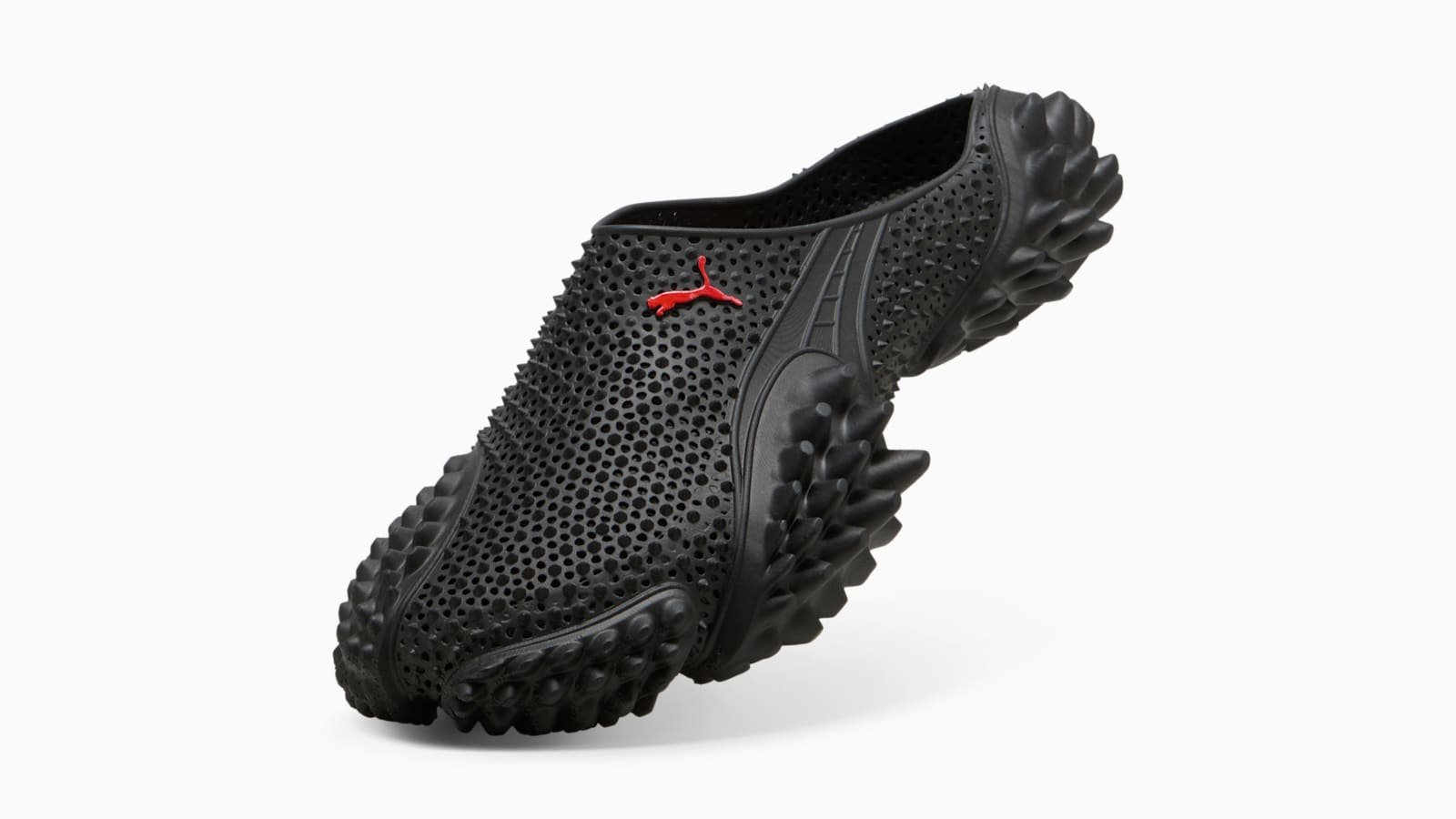
PUMA Mostro 3.D: Carbon’s footwear page includes the PUMA collaboration among its examples. The Mostro 3.D family demonstrates how printed lattice geometry can become a visible design language rather than being hidden in a midsole. The A$AP Rocky x PUMA Mostro 3.D Mule is one documented fashion application; the brand’s product details, not Carbon’s general platform claims, determine the exact model and retail availability.
What Carbon does not guarantee
A Carbon-built part is not automatically lighter, more sustainable or more comfortable than a molded equivalent. Those results depend on resin selection, geometry, testing, production yield and how the shoe is used. Printing may remove some tooling steps, but it still requires washing, curing, inspection and other post-processing. The October 2026 interview with Vivobarefoot and its partners illustrates how much work remains after the print stage. It is sponsored reporting and the operational statements come from the companies involved.
Carbon also should not be confused with a direct-to-consumer made-to-order shoe seller. A consumer looking for a particular model, size, return policy or shipping quote must visit the footwear brand or its authorized retailer. Carbon’s corporate website is for technology and manufacturing information, not a universal footwear storefront.
Company information and sources
Company: Carbon, Inc. Founded: 2013 (company-stated). Headquarters: Sunnyvale, California, United States, according to the company boilerplate in its February 2026 release; some announcements are datelined Redwood City, which should not be confused with the current headquarters statement. Role: 3D-printing hardware, software, elastomeric materials and manufacturing-platform provider. Official website: Carbon. Footwear technology: Carbon DLS footwear applications. Commercial policies: enterprise arrangements and partner terms vary; no universal retail footwear prices or returns are advertised by Carbon.
Why it belongs in this directory: Carbon is a verified operating technology supplier with multiple documented footwear collaborations, not a speculative footwear concept. Its products explain a significant part of the manufacturing infrastructure behind printed footwear. For brand profiles and product reporting, browse the 3DShoes companies directory. Information and source pages checked October 26, 2026. Product photographs are credited to the footwear brands; they illustrate applications of Carbon technology and are not photos of Carbon’s own retail shoes.