

Two shoes can look equally futuristic and still come from very different manufacturing systems. A printed lattice made from thermoplastic polyurethane is not the same thing as a light-cured elastomeric resin, and neither should be confused with a conventional foam midsole. For buyers, makers and designers, the material affects how a shoe is produced, how it can be repaired or reprocessed, and which care instructions make sense.
This guide uses named, real footwear examples rather than treating every printed shoe as one technology. It compares official manufacturer documentation checked November 2, 2026. The descriptions of comfort, strength, washability and recyclability below are attributed to their sources, not independent wear-test findings.
Start with the printing process, not the silhouette
TPU is thermoplastic polyurethane: a family of flexible polymers that can be heated and reshaped under suitable conditions. TPE means thermoplastic elastomer, a broader family that includes various flexible materials. A TPU is a type of TPE, but a product described simply as TPE is not automatically the same formulation as a particular TPU shoe.
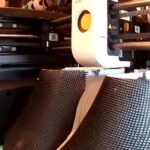
In extrusion-based printing, flexible filament is pushed through a heated nozzle, building the shape layer by layer. FUSED footwear, for example, says its one-piece shoes are printed on modified FDM machines with its own TPE filament. Its manufacturer explanation of its printing setup names the nozzle size, filament and relatively slow print process. Those settings describe FUSED’s approach, not a universal recipe for every flexible shoe.
By contrast, photopolymer printing uses light to solidify a liquid resin into a designed structure. Carbon’s Digital Light Synthesis system helped adidas develop the Futurecraft 4D midsole. The original adidas announcement describes a light-cured liquid-resin process rather than extrusion. OECHSLER’s later industrial Carbon printing account describes production and post-processing with this technology. The precise resin formulation is product-specific, not a universal specification for printed shoes.
What the finished product actually contains
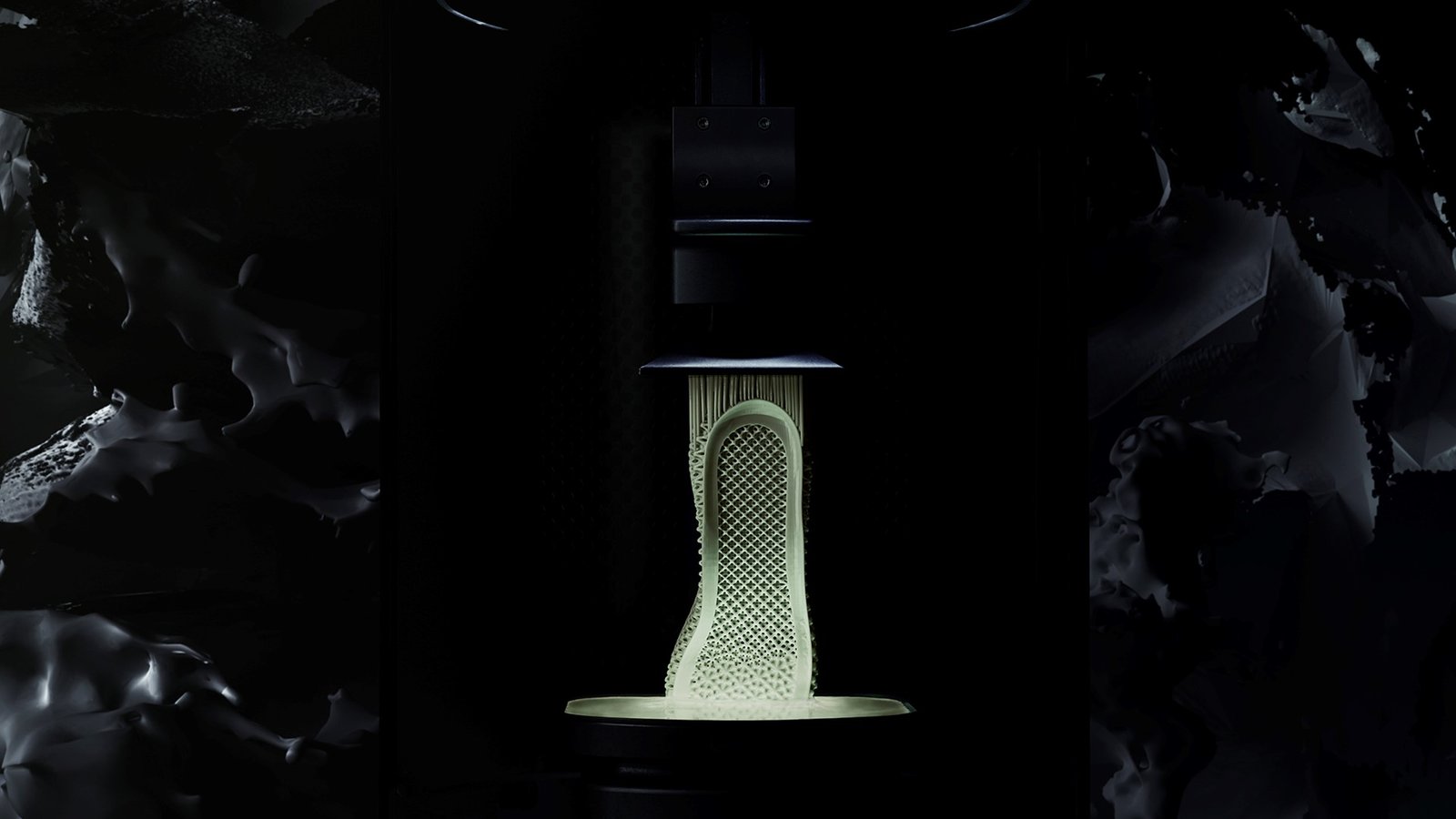
The adidas Futurecraft 4D is an especially useful example because the printed part is visible but is not the whole shoe. The lattice midsole sits beneath a conventional upper and is combined with other footwear components. adidas’ April 7, 2017 announcement describes the original Futurecraft 4D as footwear with a printed midsole. The adidas press photograph below shows the printed midsole being made, rather than a complete printed shoe.
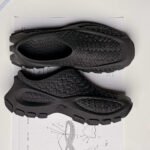
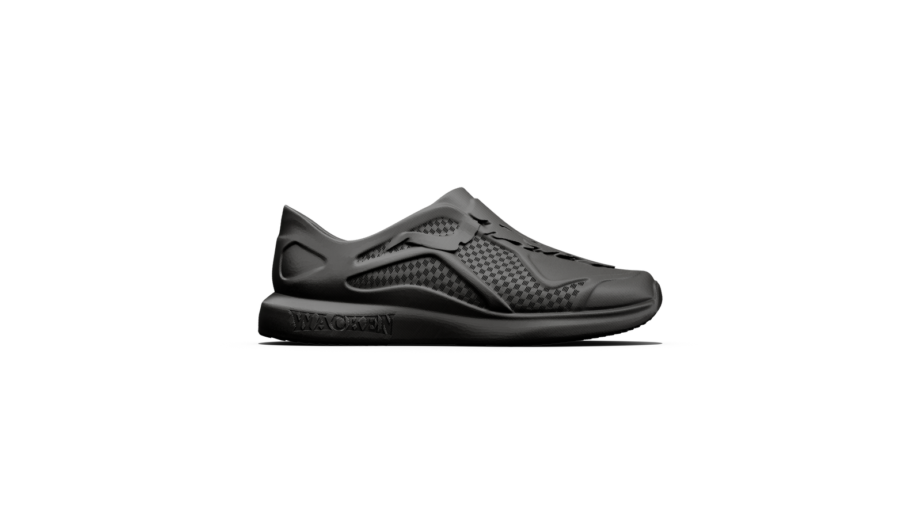
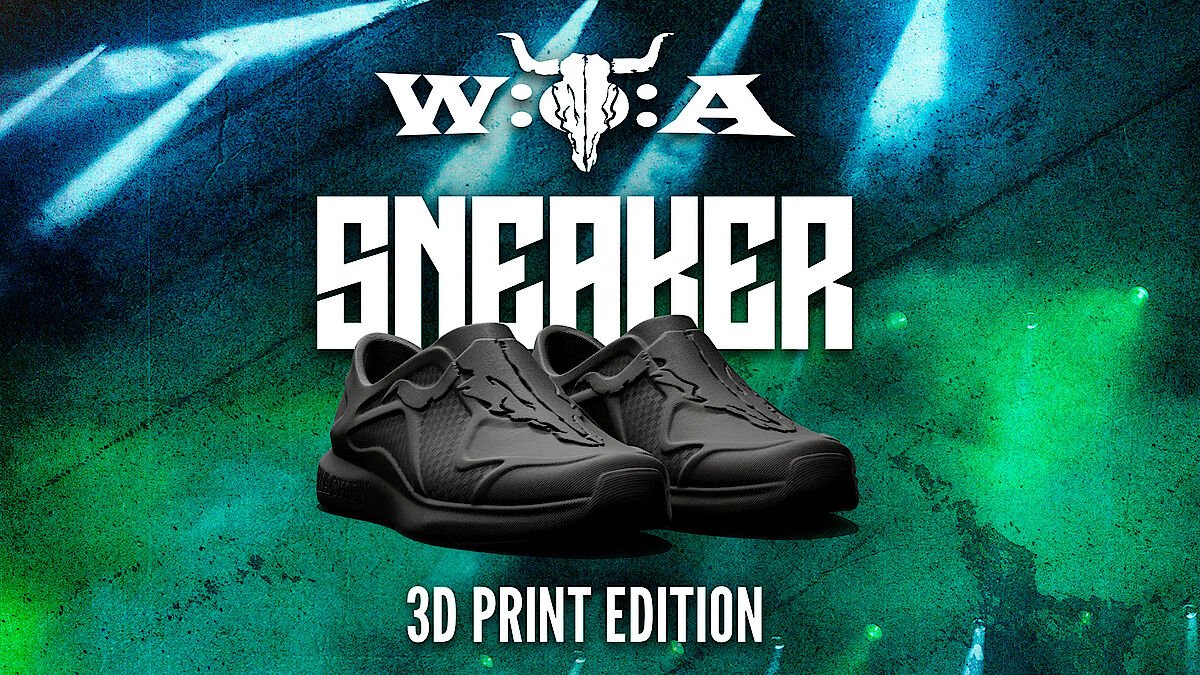
A single-piece printed shoe is different. The RAINS Zip Mule listing at Zellerfeld describes a shoe made using TPU-based ZellerFoam, with the shape integrated into the printed product. The seller also claims washability and recyclability. Those statements apply to its stated material and product system; they are not instructions for cleaning a Carbon resin midsole or a different manufacturer’s shoe.
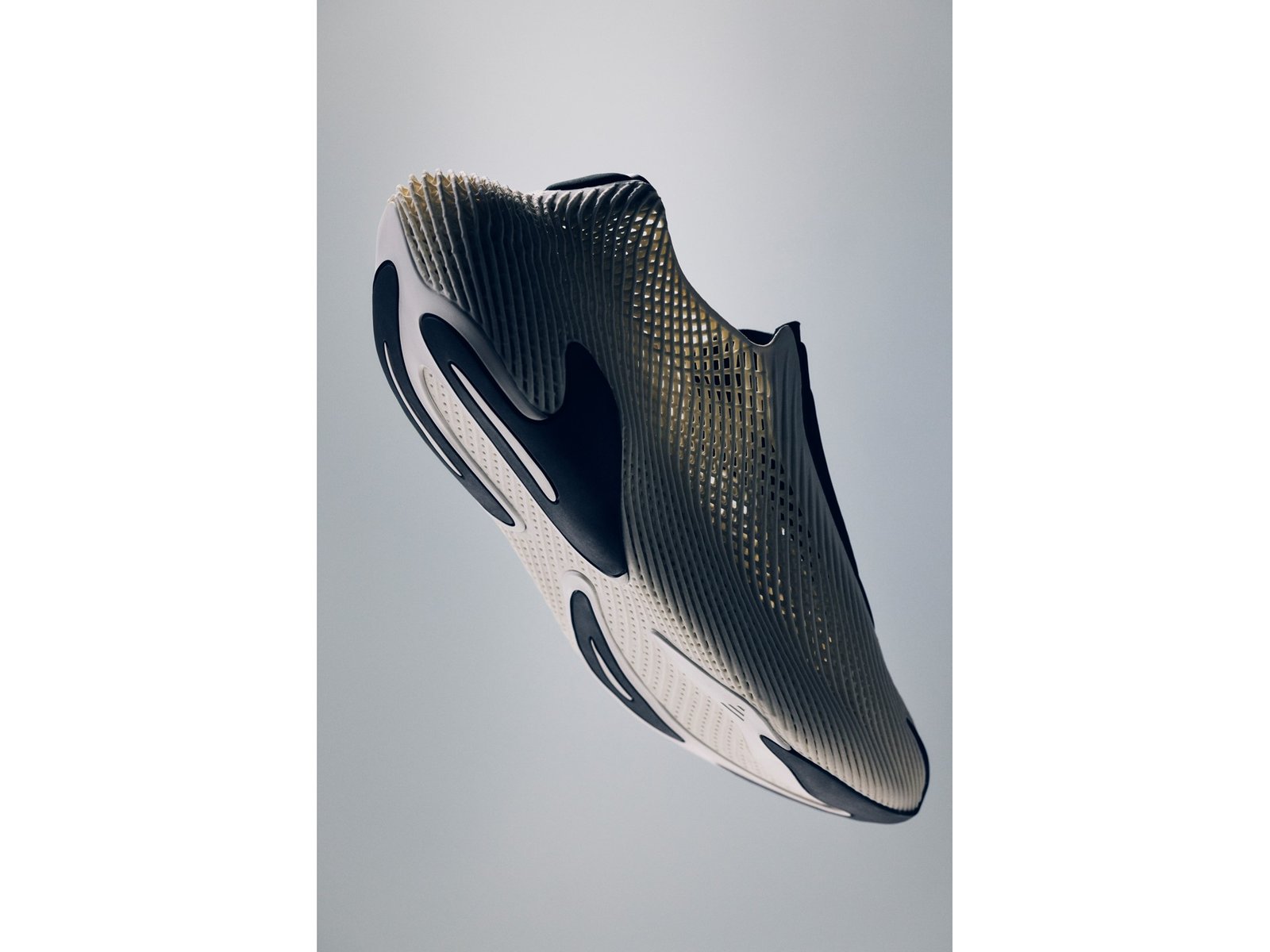
adidas also announced Futurecool on August 27, 2026 as a single-piece printed lifestyle shoe. That shows why the older assumption that adidas always prints only midsoles is outdated. The release describes specialized resin materials but does not disclose every processing parameter; it would be inaccurate to assign the Futurecraft 4D’s exact EPU 41 specification to Futurecool.
Why the resin-versus-filament distinction matters
Production: A filament shoe is built by extrusion; a photopolymer shoe or midsole is shaped by light curing and then needs the maker’s specified cleaning and curing steps. These routes have different machine costs, build times, material handling and finishing requirements. A claim that a factory can print two pairs in three hours is not evidence that an entry-level desktop printer can do the same.
Material behavior: Flexibility is not one number. Hardness, tensile strength, tear resistance, fatigue, geometry and temperature response all affect a finished shoe. The original adidas Futurecraft 4D announcement describes functional zones shaped by running data, illustrating why lattice geometry and material selection must be considered together. It does not prove that all photopolymer footwear outlasts all TPU or TPE footwear.
Care: A brand may approve washing a particular thermoplastic shoe while another advises rinsing and air-drying. Follow the exact model’s care directions rather than generalizing from the word ‘3D-printed’. Our cleaning guide for lattice shoes covers practical precautions; avoid hot drying, harsh solvents and unsupported cleaning experiments.
End of life: Thermoplastic feedstock can in principle be melted and reprocessed, but real collection, contamination, sorting and degradation determine whether a used shoe actually becomes another product. FUSED describes a specific return-and-recycle arrangement for its TPE shoes. A manufacturer’s use of the word ‘recyclable’ is not proof that local household recycling accepts the shoe. Photopolymer networks have different end-of-life challenges; do not assume a cured resin shoe can simply be remelted like filament.
A better checklist before buying
Ask which model and material family the seller is describing; whether the entire shoe or only a component is printed; what manufacturing process is used; whether the care instructions are model-specific; what the seller will do if the fit is wrong; and whether a real collection program exists for worn-out pairs. These questions are more informative than claims that all printed shoes are ‘breathable’, ‘eco-friendly’ or ‘custom’.
If the seller offers a digital file rather than a finished pair, the material and printer become your responsibility. Our guide to finished shoes, custom fits and STL files explains that purchasing distinction. For an overview of the manufacturer behind light-cured adidas midsoles, see the Carbon company profile.
Research note: Primary manufacturer pages checked November 2, 2026. No shoes were purchased, worn or laboratory-tested for this guide. Historic launch dates and materials are not current retail availability statements.