3D Shoes 3D Shoes
  • News
  • Innovation
  • Design
  • Companies
  • Shoes
Reading: Are 3D Printed Shoes Breathable? What You Need to Know Before Wearing Them
Follow 3DShoes on LinkedIn
Font ResizerAa
3DShoes3DShoes
  • Home
  • About
  • Shoes
  • Companies
  • Innovation
  • Design
  • News
  • Guides
  • Shoes

3D Printed Horseshoes

R_Shoes R_Shoes June 26, 2024
5.9kLike
4kFollow
3.7kPin
3.7kFollow
  • 3D Printed Shoes
  • 3D Companies
  • About
  • STL Files
  • Contact
© 2026 3DShoes.com. All Rights Reserved.
Guides

Are 3D Printed Shoes Breathable? What You Need to Know Before Wearing Them

R_Shoes
Last updated: April 12, 2026 10:52 pm
By R_Shoes 10 Min Read
Share
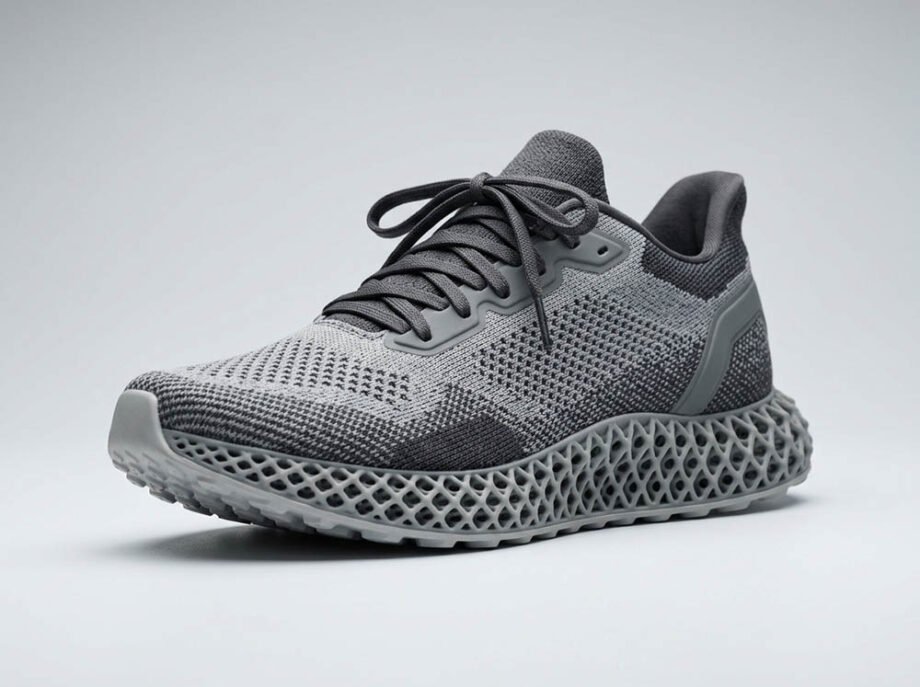
3D printed sneaker with open lattice midsole showing breathable shoe structure
SHARE

3D printed shoes look open and lightweight—but that doesn’t automatically mean your feet stay cool.

Table of Contents
Quick Answer — Are 3D Printed Shoes Breathable?What Makes 3D Printed Shoes Breathable (or Not)?Open Lattice Structures and AirflowMaterial Behavior — TPU and Heat RetentionShoe Construction — One-Piece vs Multi-MaterialDo Lattice Shoes Actually Keep Your Feet Cool?Air Circulation vs Direct VentilationMoisture and Sweat ManagementReal-World Use — How Breathable Are They Day to Day?Casual Wear (Walking, Errands)Hot Weather PerformanceLong Wear (All-Day Use)Athletic or Active UseCommon Problems and LimitationsHeat Trapping in Dense DesignsLack of Fabric VentilationSweat Accumulation and OdorFit and Contact Issues3D Printed Shoes vs Regular Shoes — Which Is More Breathable?Mesh Sneakers vs Lattice ShoesFoam Midsoles vs Printed MidsolesWhen 3D Printed Shoes Win (and When They Don’t)Practical Advice — How to Choose a More Breathable 3D Printed ShoeLook for Open Lattice DesignsChoose Hybrid Uppers When PossibleConsider Fit and Sizing CarefullyUse the Right Socks (or None)Match the Shoe to Your Use CaseWho Should (and Shouldn’t) Choose 3D Printed Shoes for BreathabilityGood Fit ForNot Ideal ForFinal Verdict — Are 3D Printed Shoes Breathable Enough?FAQ

What matters is how that structure performs once it’s under load, in motion, and exposed to body heat over time.

Breathability in 3D printed footwear depends on three factors working together: structure, material, and fit. If one of these is off, airflow drops and heat builds up quickly.


Quick Answer — Are 3D Printed Shoes Breathable?

Yes, 3D printed shoes can be breathable—but only when the design supports it.

Lattice airflow shoes allow air to pass through open structures, but performance varies widely:

  • Open designs with large gaps → better airflow
  • Dense designs → reduced ventilation
  • Fully printed shoes → more heat retention
  • Hybrid designs (mesh + printed) → better cooling

Key takeaway: Some breathable TPU shoes feel cooler than traditional sneakers, but others can trap heat depending on structure, material, and fit.


What Makes 3D Printed Shoes Breathable (or Not)?

Open Lattice Structures and Airflow

Lattice structures create built-in air channels across the midsole or upper. This is where most airflow comes from.

However, airflow is highly dependent on geometry:

  • Large, open cells: Allow consistent air movement
  • Small, tight cells: Restrict airflow and behave more like foam

There’s also a compression factor. When you step down:

  • Lattice gaps compress
  • Air channels partially close
  • Ventilation becomes inconsistent

So even open designs lose airflow under pressure.


Material Behavior — TPU and Heat Retention

Most 3D printed shoes use TPU, which is flexible and durable—but not breathable.

TPU behaves differently from fabric:

  • It does not absorb sweat
  • It does not allow vapor to pass through
  • It retains heat from foot contact

This means all ventilation depends on physical openings—not the material itself.

In warm conditions, TPU can feel warmer than expected because it holds heat longer than mesh or knit materials.


Shoe Construction — One-Piece vs Multi-Material

Construction has a direct impact on breathability.

  • Fully printed shoes (one-piece TPU):
    Limited airflow unless the upper is extremely open
  • Hybrid designs (mesh + printed midsole):
    Better ventilation due to breathable fabric uppers

In practical use, the upper controls most of the cooling. A well-ventilated midsole cannot compensate for a closed upper.
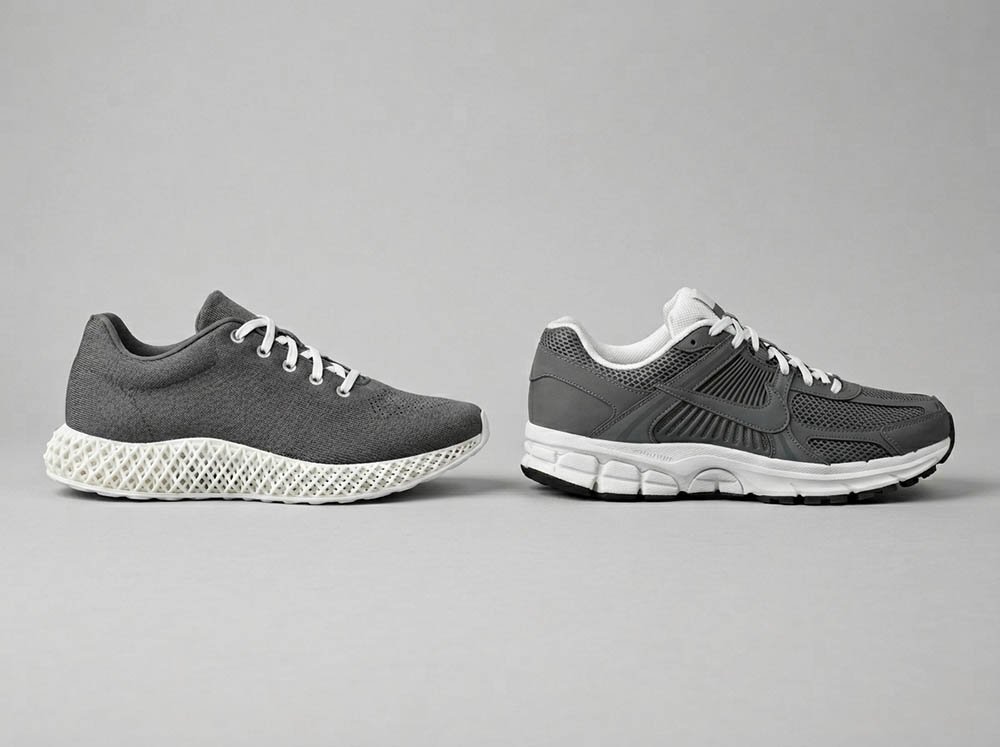
3D printed lattice shoe next to mesh sneaker comparing breathable shoe designs

Do Lattice Shoes Actually Keep Your Feet Cool?

Air Circulation vs Direct Ventilation

Airflow does not always equal cooling.

Lattice airflow shoes circulate air internally, but cooling requires heat to escape. This becomes difficult when:

  • Your foot blocks airflow paths
  • Pressure flattens the structure
  • Air becomes trapped in contact zones

As a result, some areas (heel, forefoot) can feel noticeably warmer than others.

Socks also play a major role:

  • Thin socks → allow airflow to pass through
  • Thick socks → block ventilation and trap heat

Moisture and Sweat Management

Moisture behaves differently inside breathable TPU shoes.

Since TPU doesn’t absorb sweat:

  • Moisture stays on the skin or surface
  • Evaporation depends entirely on airflow
  • Drying can feel slower compared to mesh shoes

In humid conditions, this becomes more noticeable. Sweat doesn’t escape easily unless the design is highly open.


Real-World Use — How Breathable Are They Day to Day?

Casual Wear (Walking, Errands)

For short, low-intensity use, breathability is generally acceptable.

  • Airflow is noticeable in open designs
  • Heat buildup is minimal over short periods
  • Comfort remains stable in moderate weather

For everyday errands, most designs perform well enough.


Hot Weather Performance

In hot conditions, differences become more obvious.

  • Open lattice + breathable upper → manageable cooling
  • Dense lattice + solid upper → heat buildup

3D printed shoes in hot weather can feel warmer than expected, especially when there is continuous contact between foot and material.

Direct sun exposure also increases TPU heat retention, making the shoe feel warmer over time.


Long Wear (All-Day Use)

Over extended periods, breathability becomes less effective.

  • Heat accumulates in pressure zones
  • Sweat builds up without absorption
  • Airflow becomes less noticeable

Even well-designed shoes can feel warm after several hours, especially without breaks.


Athletic or Active Use

During movement, airflow increases slightly—but so does heat production.

  • Walking → moderate airflow improvement
  • Running or training → rapid heat and sweat buildup

This is where limitations show clearly. Fully printed shoes are less effective for sustained activity, especially in warm environments.


Common Problems and Limitations

Heat Trapping in Dense Designs

Tight lattice patterns reduce airflow and trap heat, especially under pressure.


Lack of Fabric Ventilation

Without mesh uppers, there is no direct path for heat and moisture to escape.


Sweat Accumulation and Odor

Since TPU doesn’t absorb moisture:

  • Sweat remains inside the shoe
  • Odor can develop faster
  • Regular cleaning becomes important

Fit and Contact Issues

Fit directly affects breathability.

  • Tight fit → more contact → less airflow
  • Relaxed fit → more space → better ventilation

Shoes that hug the foot too closely tend to feel warmer.


3D Printed Shoes vs Regular Shoes — Which Is More Breathable?

Mesh Sneakers vs Lattice Shoes

Mesh sneakers provide direct airflow through fabric, making them more effective at cooling.

Lattice airflow shoes rely on indirect airflow, which is less consistent when compressed.


Foam Midsoles vs Printed Midsoles

The midsole has minimal impact on breathability.

The upper determines airflow:

  • Open, breathable upper → cooler feel
  • Closed upper → heat retention

When 3D Printed Shoes Win (and When They Don’t)

They perform well when:

  • The design is open and flexible
  • Air can move freely through the upper
  • Use is short-term or casual

They struggle when:

  • The structure is dense
  • The upper is closed
  • Use involves long hours or high heat

Practical Advice — How to Choose a More Breathable 3D Printed Shoe

Look for Open Lattice Designs

Choose designs with visible spacing and larger air channels. Avoid compact patterns.


Choose Hybrid Uppers When Possible

Mesh uppers significantly improve ventilation compared to fully printed designs.


Consider Fit and Sizing Carefully

A slightly relaxed fit improves airflow and reduces heat buildup.


Use the Right Socks (or None)

  • Thin socks → better airflow
  • Thick socks → reduced ventilation
  • Sockless → maximum airflow, but may affect comfort

Match the Shoe to Your Use Case

  • Casual use → most designs are sufficient
  • Hot weather → prioritize ventilation
  • Long wear → choose the most open design available

Who Should (and Shouldn’t) Choose 3D Printed Shoes for Breathability

Good Fit For

  • Casual wear in moderate climates
  • Short-duration daily use
  • Users who prefer lightweight, structured footwear

Not Ideal For

  • Very hot environments
  • Long, continuous wear
  • Users prone to heavy sweating

Final Verdict — Are 3D Printed Shoes Breathable Enough?

3D printed shoes can be breathable, but only when design, material, and fit are aligned.

Airflow comes from structure—not from TPU itself. In well-designed models, ventilation can be noticeable and comfortable. In dense or fully enclosed designs, heat buildup becomes the limiting factor.

They work best when used for casual wear in moderate conditions, with open structures and proper fit.


FAQ

Do 3D printed shoes trap heat?

They can, especially if the lattice is dense or the upper lacks ventilation.

Are lattice shoes better than mesh for airflow?

No. Mesh allows direct airflow, while lattice structures rely on indirect air movement.

Can you wear 3D printed shoes in hot weather?

Yes, but only if the design is open and well-ventilated. Closed designs may feel warm.

Do 3D printed shoes make your feet sweat more?

They don’t necessarily increase sweat, but they can trap it due to non-absorbing materials.

Are breathable TPU shoes good for all-day wear?

They can be, but heat buildup over time may reduce comfort.

Do socks affect breathability in 3D printed shoes?

Yes. Thinner socks improve airflow, while thicker socks reduce ventilation.

Are fully 3D printed shoes less breathable than hybrid ones?

In most cases, yes. Hybrid designs with mesh uppers allow better airflow.
TAGGED:3d printed footwear3D Printed Shoes3D printed shoes hot weather3D printed sneaker performanceadditive manufacturing shoesairflow shoesare 3D printed shoes breathablebreathable 3D printed shoesbreathable TPU shoesdo lattice shoes trap heatheat retention shoeslattice airflow shoeslattice midsole shoeslattice shoe ventilationmesh vs lattice shoesmodern footwear technologyshoe breathability comparisonTPU shoe comfort
Share This Article
Facebook Twitter Pinterest Whatsapp Whatsapp LinkedIn Reddit Telegram Email Copy Link Print

Launching something like this?

If you're working on a product, platform, or business, I design fast, SEO-structured WordPress websites built for real results..

Start Your Project
100+ websites built • 15+ years experience

Stay Up To Date!

Sign up for 3DShoes.com's mailing list where you will stay up-to-date with latest trends, drops, and more.

loader

Website Help

Need a website for your project?

I build clean, fast, SEO-structured WordPress websites for real business results.

Start Your Project
100+ websites built • 15+ years experience

Trending

Top 10 best 3D-printed shoes of 2025 featuring futuristic lattice-sole sneakers for performance and lifestyle wear
Top 10 Best 3D-Printed Shoes of 2025 — Performance, Fashion & Value
December 27, 2025
A close-up of a modern 3D printer creating a small figurine, representing digital manufacturing and copyright issues.
3D Printing and Copyright: When Does Making a Replica Become a Crime?
November 9, 2025
Syntilay Pulse Podz
PulsePodz Review — Is Syntilay’s 3D-Printed Recovery Slide Worth $149?
January 19, 2026
Skylrk Earth Bender shoe. Courtesy
Justin Bieber x Zellerfeld Reveal the Earth Bender — A 3D-Printed, Soccer-Inspired Shoe for SKYLRK
December 6, 2025

3D Printed Shoes →

3D Printing Companies →

Topics

  • Innovation
  • Design
  • News
  • Guides
  • Products
Follow 3DShoes on LinkedIn

Affiliate links on 3DShoes may earn us a commission. Learn more.

News

How Formism and Bambu Lab Are Rewriting Footwear: Inside the Persona 3D-Printable Shoe Launch

FORMISM by SCRY

Introduction — downloadable shoes, at last A small but significant shift in how we obtain footwear has moved from concept to market. FORMISM — a digital production studio created by…

January 21, 2026 News

Your may also like!

Syntilay Pushes Custom Fit 3D Printed Shoes Through Times Square Retail
Innovation & Trends

Syntilay Pushes Custom Fit 3D Printed Shoes Through Times Square Retail

R_Shoes April 19, 2026
3D printed shoes with lattice midsole worn on foot showing real comfort and structure
Guides

Are 3D Printed Shoes Comfortable? What It Really Feels Like to Wear Them

R_Shoes April 12, 2026
Lattice midsole deformation in 3D printed shoe after regular use
Guides

3D Printed Shoes Durability: How Long Do They Really Last?

R_Shoes April 12, 2026
adidas Project RAP football boot concept performance testing
Innovation & Trends

Inside adidas’ 3D-Printed Football Boot: What We Know (and What’s Missing)

R_Shoes April 10, 2026

NEWSLETTER

Stay Updated on 3D Footwear Innovation

Get the latest insights, breakthroughs, and industry updates delivered to your inbox.

loader

No spam. Just relevant industry updates.

3D Shoes

3DShoes tracks the evolution of 3D-printed footwear—covering design, technology, and manufacturing to help make sense of where the industry is heading.

Quick Links

  • 3D Printed Shoes
  • 3D Companies
  • About
  • STL Files
  • Contact

Legal

  • Privacy Policy
  • Cookie Policy (EU)
  • Disclaimer
  • Terms & Conditions

Socials

Our website stores cookies on your computer. They allow us to remember you and help personalize your experience with our site. Read our privacy policy for more information.

© 2026 3DShoes – All Rights Reserved. Hosted & Developed by PixelCrafted.Dev.

Manage Consent
To provide the best experiences, we use technologies like cookies to store and/or access device information. Consenting to these technologies will allow us to process data such as browsing behavior or unique IDs on this site. Not consenting or withdrawing consent, may adversely affect certain features and functions.
Functional Always active
The technical storage or access is strictly necessary for the legitimate purpose of enabling the use of a specific service explicitly requested by the subscriber or user, or for the sole purpose of carrying out the transmission of a communication over an electronic communications network.
Preferences
The technical storage or access is necessary for the legitimate purpose of storing preferences that are not requested by the subscriber or user.
Statistics
The technical storage or access that is used exclusively for statistical purposes. The technical storage or access that is used exclusively for anonymous statistical purposes. Without a subpoena, voluntary compliance on the part of your Internet Service Provider, or additional records from a third party, information stored or retrieved for this purpose alone cannot usually be used to identify you.
Marketing
The technical storage or access is required to create user profiles to send advertising, or to track the user on a website or across several websites for similar marketing purposes.
  • Manage options
  • Manage services
  • Manage {vendor_count} vendors
  • Read more about these purposes
View preferences
  • {title}
  • {title}
  • {title}
Stay Up To Date!

Sign up for 3DShoes.com's mailing list where you will stay up-to-date with latest trends, drops, and more.

loader

Zero spam, Unsubscribe at any time.
adbanner
AdBlock Detected
Our site is an advertising supported site. Please whitelist to support our site.
Okay, I'll Whitelist
Welcome Back!

Sign in to your account

Lost your password?