3D printed shoes are gaining attention for their futuristic design and potential for a more tailored fit. At the same time, they’re expensive, unfamiliar, and not widely available.
If you’re considering buying a pair, the key question is:
👉 Do they actually perform better than regular shoes—or are you paying for the design and technology?
This guide focuses on real-world use, so you can decide if 3D printed shoes are worth it for your needs.
Quick Answer — Are 3D Printed Shoes Worth It?
Short Verdict Based on Use Case
Worth it for:
- Tech-focused buyers who want to experience new footwear design
- People who prefer structured, supportive underfoot feel
- Casual users who value aesthetics and uniqueness
Not worth it for:
- Budget-conscious buyers
- Runners, athletes, or high-impact users
- Anyone needing soft cushioning for long hours
Key Takeaway
3D printed shoes are not a direct replacement for regular shoes. Their value depends on how you use them, how you prefer your shoes to feel, and whether their strengths align with your needs.
What Makes 3D Printed Shoes Different? (How They Actually Work)
Lattice Structure vs Traditional Foam
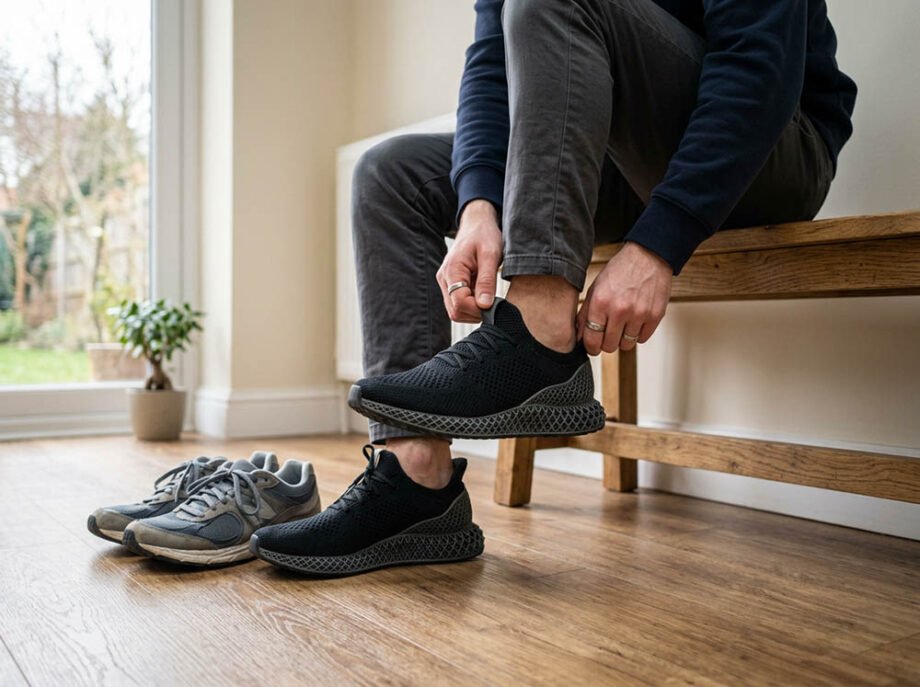
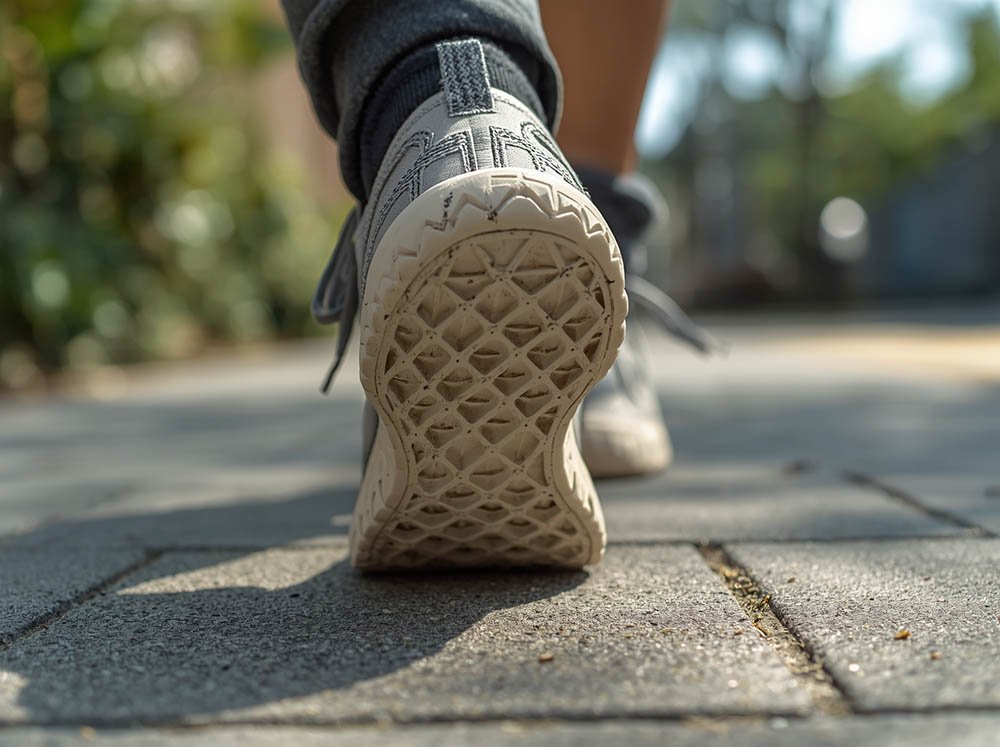
The main difference is the midsole design. Instead of solid foam, 3D printed shoes use a lattice structure made of interconnected shapes.
This affects performance in several ways:
- Pressure distribution: Force spreads across multiple contact points instead of compressing one area
- Flexibility: The structure bends and adapts rather than simply compressing
- Airflow: Open spaces allow air to move through the midsole
Traditional foam compresses and rebounds vertically. Lattice structures deform in multiple directions, creating a firmer and more stable feel.
Materials Used (TPU and Similar Polymers)
Most 3D printed shoes use thermoplastic polyurethane (TPU) or similar materials.
These materials are:
- Durable and resistant to breakdown
- Elastic, but not soft like foam
- Less prone to permanent compression
As a result, the feel is often:
- Firm and springy
- Supportive rather than cushioned
This material choice improves longevity in some areas but reduces softness.
Customization Potential
3D printing allows for detailed control over structure design, including density and pattern.
In reality:
- Most shoes are still produced in standard sizes
- Full customization is limited and often expensive
- Fit is not significantly different from regular shoes for most buyers
Customization becomes more relevant in specialized use cases, such as pressure-specific support.
Benefits of 3D Printed Footwear
Unique Comfort Feel (Support Over Cushioning)
3D printed shoes prioritize structure over softness.
They:
- Spread pressure more evenly
- Reduce localized impact points
- Provide a stable base for walking
This works best for users who prefer a firm, supportive feel rather than soft cushioning.
Breathability and Ventilation
The lattice design allows more airflow compared to dense foam midsoles.
Benefits include:
- Better air circulation
- Reduced heat buildup during movement
- Faster drying in humid environments
However, overall breathability still depends on the upper material.
Design and Aesthetic Appeal
3D printed shoes stand out visually.
Common design features:
- Complex geometric midsoles
- Sculpted, futuristic shapes
- Distinct textures and patterns
For many buyers, appearance alone is a major factor in the purchase decision.
Innovation and Sustainability Angle
3D printing can reduce material waste by building structures layer by layer.
Potential advantages:
- More efficient material use
- Reduced excess compared to traditional molding
Actual sustainability depends on production methods, materials, and product lifespan.
Real-World Usage — What It’s Actually Like to Wear Them
Walking and Daily Wear
For casual use:
- The shoes feel stable and balanced
- Comfort is consistent for short to moderate wear
- Break-in time is minimal or not required
For extended use:
- Some users experience fatigue due to firmness
- Others prefer the consistent support
Comfort depends heavily on personal preference.
Standing for Long Hours
Standing highlights the difference between support and cushioning.
- Structured support can reduce pressure in some areas
- Lack of softness can increase fatigue over time
For long shifts or extended standing, cushioned shoes are often more comfortable.
Gym and Light Activity
For low-impact workouts:
- Stability is a strong advantage
- Lateral support is reliable
Limitations:
- Limited shock absorption
- Not suited for jumping or explosive movements
They perform better in controlled environments than high-impact training.
Hot Weather Performance
Airflow through the lattice can help reduce heat buildup.
In real use:
- Feet may feel slightly cooler than in dense foam shoes
- Temperature still depends on the upper material and conditions
The cooling effect is noticeable but not extreme.
Fit and Sizing Reality
Fit can feel different compared to traditional shoes.
Common issues:
- Less adaptability to foot shape
- Slightly different internal pressure feel
- Limited sizing options in some models
Trying them on is ideal, but often not possible.
Problems and Limitations You Should Know
Price vs Value
3D printed shoes are typically priced higher than standard footwear.
Cost factors include:
- Manufacturing complexity
- Material usage
- Smaller production scale
For most users, the performance difference does not match the price increase.
Durability Concerns
TPU is durable, but the lattice design introduces specific stress points.
Typical wear patterns:
- Repeated flex zones can weaken over time
- Structural fatigue replaces foam compression
They may last well under casual use but are less predictable under heavy stress.
Comfort Is Not Universal
Comfort varies widely.
- Some users prefer the firm, stable feel
- Others find it too rigid for extended wear
There is no consistent comfort experience across all users.
Limited Availability and Returns
Many models:
- Are sold primarily online
- Have limited production runs
This makes:
- Fit testing difficult
- Returns less flexible
Not Ideal for High-Impact Sports
High-impact activities require:
- Cushioning for repeated force
- Energy absorption
3D printed shoes:
- Offer stability
- Lack sufficient impact protection
They are not suitable for running or intense training.
3D Printed Shoes vs Regular Shoes
Comfort Comparison
- 3D printed: firm, structured, supportive
- Regular shoes: soft, cushioned, impact-absorbing
Performance Comparison
- 3D printed: best for casual wear and stability
- Regular shoes: better for sports and dynamic movement
Longevity Comparison
- 3D printed: resist flattening but may fatigue at stress points
- Regular shoes: compress gradually but remain consistent
Price-to-Performance Ratio
- 3D printed: higher cost, limited practical advantage
- Regular shoes: more balanced performance for the price
Who Should Buy 3D Printed Shoes (And Who Shouldn’t)
Good Fit For
- Casual users looking for something different
- Buyers interested in new footwear technology
- People who prefer firm, structured support
Not a Good Fit For
- Budget-conscious buyers
- Athletes or runners
- Users who prefer soft cushioning
Practical Buying Advice
What to Check Before Buying
- Material quality: TPU flexibility and durability
- Lattice density: tighter structures feel firmer
- Fit and sizing: check width and sizing consistency
- Use case: lifestyle vs performance
How to Set Realistic Expectations
Expect:
- A unique, firm feel
- Strong design appeal
- Reliable performance for casual use
Do not expect:
- High-impact performance
- Soft cushioning
- Universal comfort
When It’s Better to Stick With Regular Shoes
Choose traditional shoes if:
- You need all-day comfort
- You engage in sports or training
- You want consistent performance at a lower cost
Final Verdict — Are They Worth It for You?
Simple Decision Framework
- If you value design and innovation → worth trying
- If you value comfort and reliability → depends on use
- If you want the best performance per dollar → regular shoes are the better choice
3D printed shoes are a distinct category with specific strengths. They offer a different experience—not a universal improvement over traditional footwear.
FAQ
No. They offer different benefits but are not better overall for most use cases.
They can be comfortable for some users, but the firm structure may cause fatigue over time.
They can last several months to a year depending on use, with different wear patterns than foam shoes.
No. They are not designed for high-impact activities.
Costs are driven by manufacturing complexity, materials, and lower production volume.
Sizing is generally accurate, but the internal feel may differ from traditional shoes.
They can be, if you prefer firm support and unique design—but not if you prioritize maximum comfort.