Two products can both be described as ‘custom 3D-printed shoes’ while giving the buyer very different responsibilities. One arrives as a finished pair in a box. Another requires a visit to a foot scanner before the manufacturer starts work. A third is not a shoe at all: it is a personalized digital file that the customer must print or have printed. These distinctions determine the real cost, lead time, refund risk and amount of technical work involved.
This guide compares three live purchasing models using official information checked October 26, 2026. It is not a wear-test ranking. No shoe has been purchased or independently tested for comfort, traction or durability.
Model one: buy a finished printed shoe
On a conventional printed-footwear storefront, the brand or its production partner makes the shoe and ships the finished product. The customer selects a model and available fit option, pays the checkout total and waits for delivery. Zellerfeld’s official catalog offers examples, including collaborations with Nike, Havaianas and independent designers. The site says it prints in Austin and Hamburg and ships worldwide, while its fit guarantee and order terms must be read for the specific purchase.
This route is simplest for a buyer without printing equipment. The seller handles material selection, machine settings and quality control. That does not guarantee a fast delivery or easy returns. A printed shoe may be produced on demand, so buyers should check whether a displayed price is current, whether their size is offered and what happens if the finished fit is wrong.
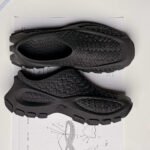
For a concrete example, the A$AP Rocky x PUMA Mostro 3.D Mule is a physical printed footwear release, not a downloadable STL. Its actual product photograph appears above; it illustrates the finished-product route, not every Zellerfeld manufacturing method.
Model two: have a brand make shoes from your scan
Made-to-measure printed footwear moves the fitting stage into the manufacturing workflow. Vivobarefoot’s VivoBiome requires an in-store Volumental foot scan before a customer can order the Tabi Gen 02 sandal. The scan is saved to an account email and used to shape the bespoke design. The live location page lists London, Bristol and Prague as of this check; it says smartphone scanning is not yet sufficiently precise for this bespoke sandal process.
VivoBiome says its delivery window is typically four to six weeks from order. Fit complaints are reviewed case by case when customers have completed the prescribed scan and provided the required details. Those are actual operational conditions, not a promise that the first pair will fit perfectly.
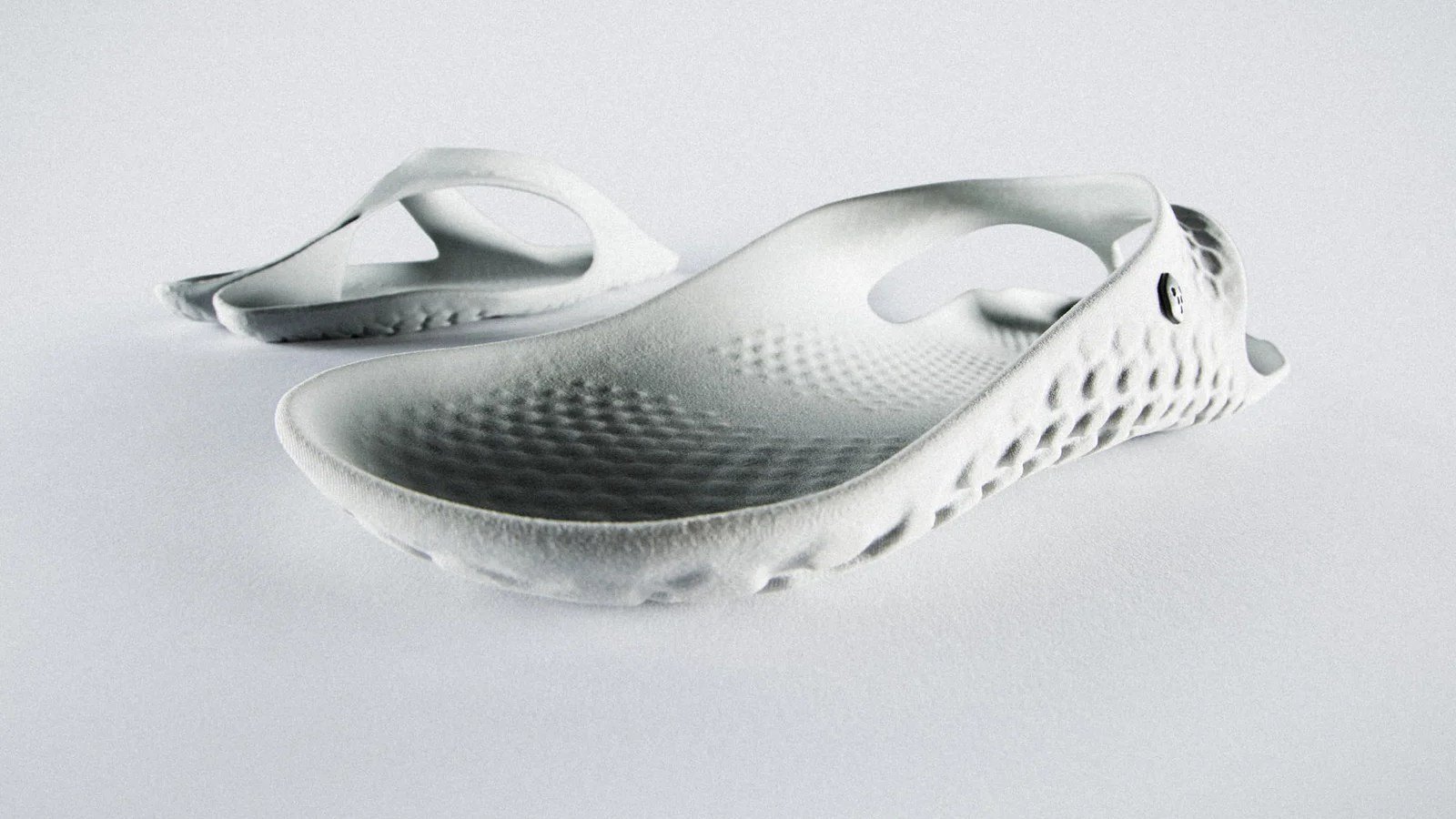
A different custom-fit route is offered by FITASY’s Stride 2.0. Its current listing gives a $260 asking price for a full pair, a three-to-four-week made-to-order lead time and iPhone-only foot scanning. Taxes, shipping and the exact return policy require separate checks. These are manufacturer statements, not evidence that FITASY and VivoBiome produce equivalent fit results.
The key question for this model is not just ‘Can I scan my feet?’ It is ‘Where can I scan, who owns the measurements, how long is the production queue and what remedy exists if the delivered shoe is uncomfortable?’ Our foot-scanning guide covers the measurement step in greater detail.
Model three: pay for the file and arrange the printing
Sneakprint’s ShoeFactory sells a different product. Its Easy Slide is listed at €64.99 including VAT for a personalized digital design. Customers scan their feet with a phone, configure the sandal and receive STL files. The €64.99 is not the price of a finished physical pair. The buyer supplies a compatible printer, flexible material, time and troubleshooting—or pays a separate service to do the manufacturing.
ShoeFactory’s published minimum setup includes a 220 × 220 × 250 mm build volume, 0.4 mm nozzle, heated bed and direct-drive extrusion. It lists examples of supported printer families and recommends flexible materials. Even if a printer meets those specifications, settings, print orientation, material handling and post-processing can change the result. A print-ready file does not certify a wearable shoe.
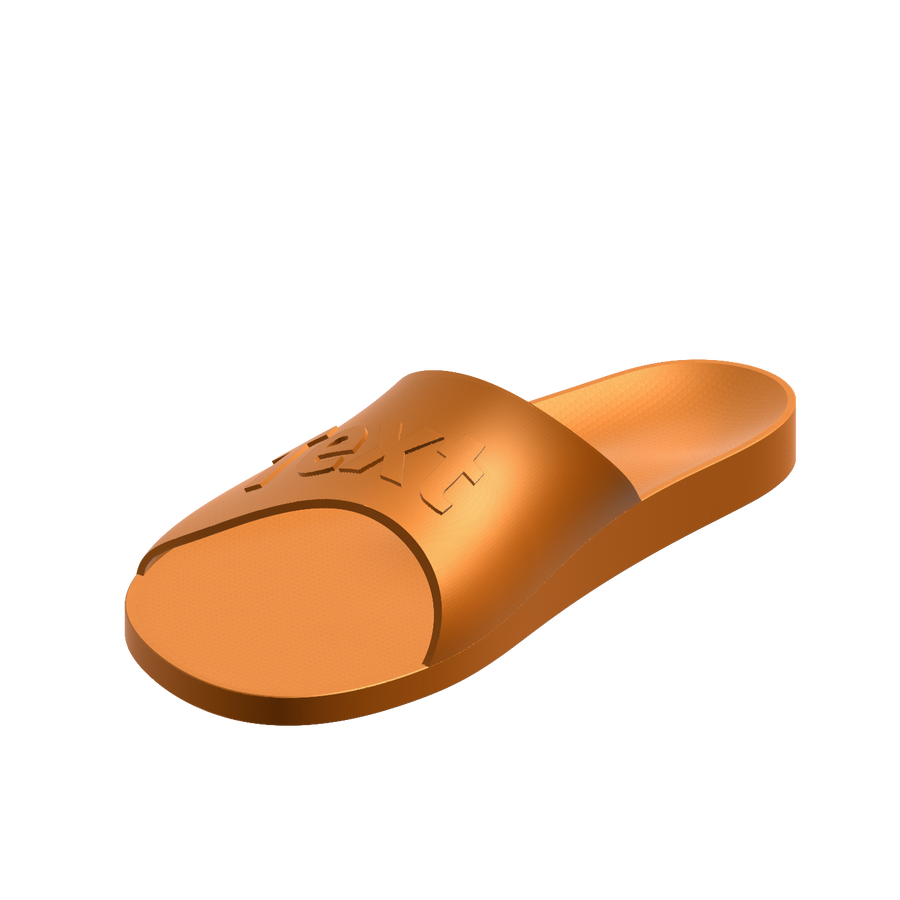
Experienced makers may value the ability to adjust material, infill and reprint from the same file. Beginners should budget for failed attempts and should read the digital-product refund and personal-data policies before scanning or paying. Our ShoeFactory launch report documents its current supported hardware and the distinction between geometry and a finished shoe.
Compare the responsibility, not just the sticker price
| Buying route | What arrives | Main risk to check |
|---|---|---|
| Finished shoe | Manufactured pair | Sizing, lead time, returns |
| Custom scan-to-print | Made-to-measure pair | Scan access, fit remedy, queue |
| Personalized STL | Digital files | Printer, material, print failures |
Sticker prices across these routes are not directly comparable. A €64.99 file plus outsourced printing can cost more than a finished shoe, and a made-to-measure pair may carry a longer lead time or narrower refund terms. Shipping, taxes and region restrictions change totals. The 3DShoes guide to custom-order refund policies explains why ‘custom’ can matter after checkout.
Practical decision: If you need a finished pair and have no printer, start with a manufacturer-backed physical product and verify its return policy. If unusual foot shape is your main concern, compare the scan requirements and actual fit-remedy terms. If you own a suitable printer and want control over fabrication, a personalized STL can be worthwhile—but only after accounting for the real cost of turning it into footwear. Material choice also matters: our guide to TPU, TPE and resin in 3D-printed shoes explains how these manufacturing methods differ.
Sources checked October 26, 2026: Zellerfeld official catalog; VivoBiome scan and fulfillment FAQ; FITASY Stride 2.0 official listing; ShoeFactory official product and printer requirements. Model-specific prices and terms may change; no checkout was completed and no product was wear-tested.