

Blisters are a common concern when trying 3D printed shoes—especially because of their open lattice structure and firmer materials.
If you’re worried about friction, hot spots, or irritation (particularly with sockless 3D printed shoes), here’s what actually happens in real use—and how to avoid problems from the start.
Quick Answer — Do 3D Printed Shoes Cause Blisters?
Yes, 3D printed shoes can cause blisters, but only under specific conditions.
Blisters form from repeated friction between your skin and the shoe. With 3D printed footwear, the risk depends on:
- Fit — too loose or too tight increases movement and rubbing
- Material stiffness — especially during the first few wears
- Usage time — long wear without break-in increases irritation
- Socks — or wearing them sockless
Quick takeaway:
Most blister issues happen early. A proper fit, gradual break-in, and the right socks significantly reduce the risk.
Why Blisters Can Happen in 3D Printed Shoes
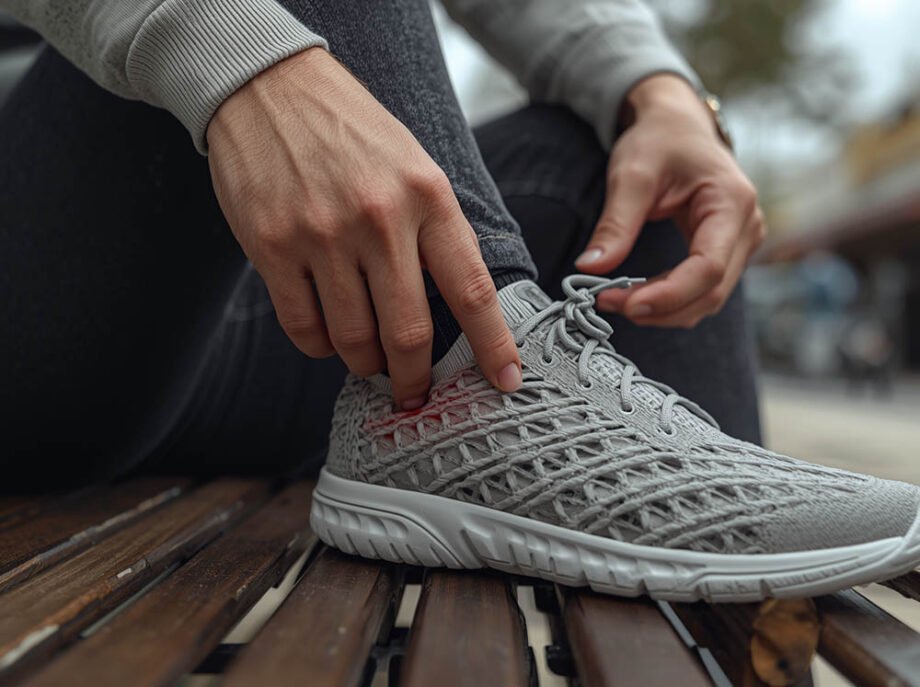
Friction From Lattice Structures
3D printed shoes use lattice designs instead of solid foam. This means your foot interacts directly with a structured surface.
That creates two outcomes:
- Even pressure distribution → comfortable, low friction
- Localized pressure points → increased rubbing
When lattice spacing or stiffness isn’t balanced, certain nodes press repeatedly on the same areas. Over time, this creates friction lattice shoe issues that can lead to blisters.
Material Stiffness and Break-In Period
Most models use TPU (thermoplastic polyurethane).
Compared to traditional foam:
- TPU is more durable but initially firmer
- It doesn’t compress easily right away
This leads to:
- A slightly rigid or “textured” feel at first
- Higher friction before the material and your foot adapt
The break-in phase is where most lattice shoes blisters occur.
Heat and Moisture Buildup
Even with open structures, moisture still plays a role.
Blisters form faster when:
- Skin becomes soft from sweat
- Friction occurs on that softened surface
So while airflow helps, heat + moisture + movement still create friction—especially during extended wear.
Fit and Sizing Issues
Fit is more critical than in traditional shoes.
Why:
- Minimal padding means less margin for error
- The lattice sits closer to your skin
Common problems:
- Loose fit: foot slides → heel friction
- Tight fit: pressure points → localized rubbing
Even slight sizing issues can quickly turn into blister points.
Real-World Usage — When People Actually Get Blisters
First-Time Wear (Most Common Scenario)
This is when most problems happen.
Typical situation:
- Wearing the shoes for hours right away
- Skipping the break-in phase
Common hot spots:
- Heel
- Arch
- Toe base
Starting with short sessions (30–60 minutes) makes a noticeable difference.
Wearing Them Without Socks
Sockless 3D printed shoes increase friction significantly.
Why:
- No barrier between skin and lattice
- Direct contact with structural nodes
- Sweat stays on the skin
It can work:
- For short wear
- With smoother designs
It usually fails:
- During long walks
- With more aggressive lattice patterns
Long Walking or Daily Use
Blisters often show up after extended use, not immediately.
Even if the shoe feels fine at first:
- Repetitive motion builds friction over time
- Small irritations turn into hot spots
This is common in daily wear without proper break-in.
High Activity or Sweaty Conditions
Hot and humid conditions increase risk.
Typical triggers:
- Long walks in warm weather
- High humidity
- Extended standing or movement
Sweat softens skin, making it easier for friction to damage the surface.
When 3D Printed Shoes DON’T Cause Blisters
Blisters are not inevitable.
You’re unlikely to have issues when:
- The fit is accurate (no slipping or tight spots)
- You follow a gradual break-in period
- You wear moisture-wicking socks
- The design has smoother or more refined lattice surfaces
Once adapted, many users experience stable, low-friction comfort.
Common Problem Areas and Limitations
Heel Slippage and Rubbing
Some designs lack a structured heel.
Result:
- Heel movement during walking
- Repeated friction at the back of the foot
This is one of the most common blister locations.
Uneven Pressure Points
Lattice density is not always uniform.
This can create:
- Harder contact zones
- Uneven pressure distribution
Over time, these areas become friction points.
Limited Cushioning in Some Designs
Some models prioritize structure over softness.
Effects:
- Less shock absorption
- More direct pressure on the foot
This increases sensitivity to friction.
Not Ideal for Sensitive Skin Users
If your skin is prone to irritation:
- Even light friction can cause discomfort
- Sockless use becomes more risky
Careful selection and gradual use are important here.
How to Prevent Blisters in 3D Printed Shoes
Start With Short Wear Sessions
- Begin with 30–60 minutes
- Increase gradually over several days
This reduces early friction stress.
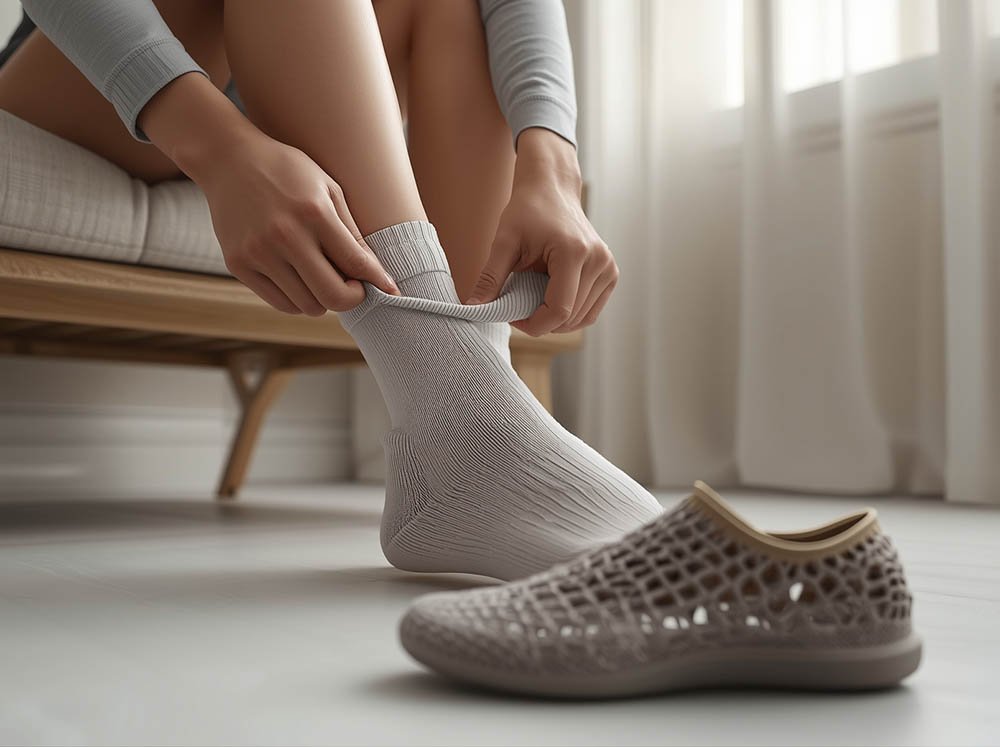
Wear the Right Socks
Socks act as a friction barrier.
Best options:
- Moisture-wicking materials (synthetic blends or merino wool)
- Light or moderate cushioning depending on fit
Avoid cotton—it traps moisture and increases friction.
Check Fit Before Extended Use
Watch for:
- Heel slipping
- Tight pressure points
- Uneven internal contact
Fix these early before longer wear.
Use Anti-Friction Solutions
Helpful during break-in:
- Anti-chafing balms
- Blister prevention tape
- Foot powder for moisture control
These reduce friction where it matters most.
Choose the Right Shoe Design
Not all lattice shoes behave the same.
Look for:
- Smoother internal surfaces
- Balanced flexibility (not overly rigid)
- Designs focused on comfort and fit
Highly open or aggressive lattices increase friction risk.
Are 3D Printed Shoes Worse Than Regular Shoes for Blisters?
Comparison With Traditional Foam Shoes
Traditional shoes:
- Soft foam adapts quickly
- Cushions and reduces direct friction
3D printed shoes:
- Direct structural contact with the foot
- Firmer initial feel
Result:
- Higher blister risk early on
- Similar comfort after break-in in well-designed pairs
Long-Term Comfort Differences
After adaptation:
- Pressure becomes more evenly distributed
- Friction decreases significantly
At this stage, blister risk is low.
Situations Where Each Performs Better
3D printed shoes:
- Casual use
- Short to moderate walking
- Dry environments
Traditional shoes:
- High-impact activity
- Long-distance walking or running
- Situations needing maximum cushioning
Final Verdict — Should You Be Concerned About Blisters?
3D printed shoes can cause blisters, but it’s not inherent to the design.
Be cautious if:
- You plan long wear immediately
- You go sockless for extended periods
- The fit isn’t precise
You’ll likely avoid issues if:
- You break them in gradually
- Use proper socks
- Choose a well-designed model
In most cases, blister problems are temporary and preventable with simple adjustments.
FAQ
They can during the break-in phase, but the difference becomes minimal with proper fit and usage.
Yes, for short periods or with smoother designs. Longer use increases friction risk.
Usually a few days to a week of gradual wear.
Because the structure creates direct contact points your foot needs time to adapt to.
Some are, but many are better suited for shorter or casual use unless designed for extended wear.
Moisture-wicking synthetic or wool blends that reduce friction and manage sweat.
Improve fit, wear proper socks, and use anti-friction products during the break-in phase.