

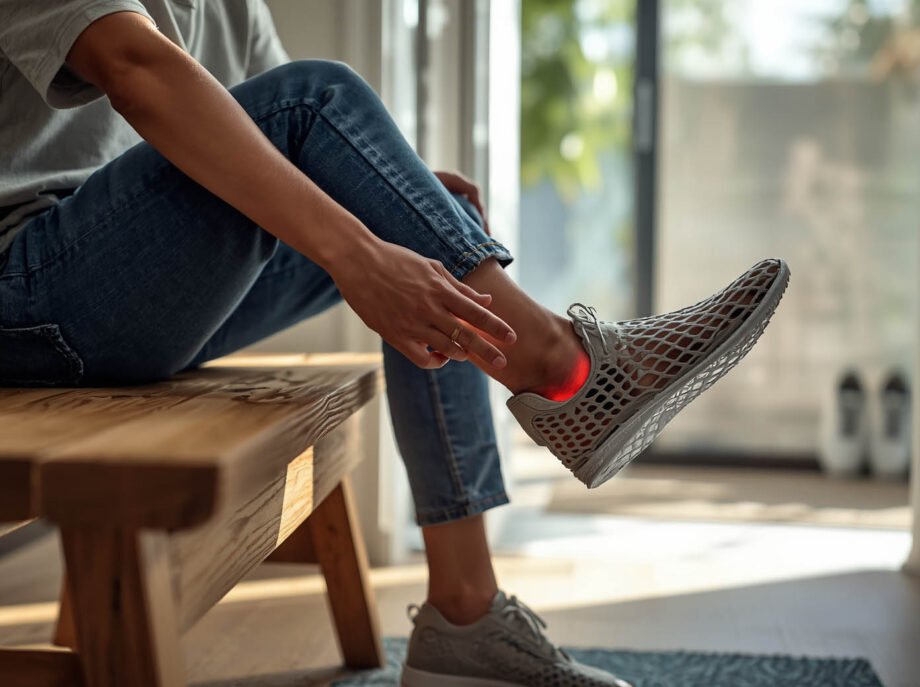
Lattice shoes can feel breathable, flexible, and lightweight, but they can also create rubbing points if the fit, material, sock choice, or walking conditions are not right. Blisters in lattice shoes usually do not happen because of the lattice structure alone. They usually form when friction, pressure, moisture, and repeated movement affect the same area of the foot.
The safest way to prevent blisters in 3D printed shoes is to test them gradually. Printed structures can feel smooth in some zones and firm in others, especially around the heel, toes, sidewalls, straps, and top of the foot. A short first-wear test helps reveal pressure points before they turn into painful blisters.
Can Lattice Shoes Cause Blisters?
Yes, lattice shoes can cause blisters, especially if they are worn barefoot too soon, fit slightly wrong, or have stiff contact points against the skin.
Blisters form when the skin is exposed to repeated rubbing. In lattice shoes, that rubbing may come from foot movement inside the shoe, a firm printed edge, sweat buildup, or pressure from the shoe’s structure.
A lattice shoe can feel comfortable while standing still but start rubbing after several minutes of walking. Walking creates repeated sliding, bending, and pressure changes. If a small hotspot is ignored, it can quickly become a blister.
The Fastest Way to Prevent Blisters in 3D Printed Shoes
The fastest way to prevent blisters is to reduce friction before it becomes painful.
Start with thin socks. Wear the shoes for short sessions first. Check your feet after each wear. Avoid long walks on the first day. Use blister tape, moleskin, or anti-friction balm on areas that usually rub.
If one area starts to burn, sting, or feel sharp, stop wearing the shoes and fix the issue before continuing. That feeling is usually a hotspot, and a hotspot is the warning stage before a blister.
When Lattice Shoes Are More Likely to Rub
Lattice shoes are more likely to cause friction when:
- The toe box is too narrow
- The heel slips while walking
- The material is stiff around the edges
- The shoe is worn barefoot too soon
- The foot sweats heavily
- The shoe has not been tested on shorter walks first
- The wearer has wide feet, high arches, sensitive skin, or a history of blisters
A good fit is not only about length. Width, heel hold, top-of-foot pressure, arch contact, and internal surface feel all matter.
Why Lattice Shoes Can Create Friction
Lattice shoes use printed structures instead of the usual layers of foam, fabric, mesh, lining, and stitching. This changes how the shoe touches the foot.
Some lattice shoes feel smooth against the skin. Others have more texture, firmness, or exposed edges. The experience depends on the design, material, print quality, finishing, and whether the shoe was made for sock or barefoot wear.
The Lattice Structure Changes Foot Contact
Traditional sneakers often use soft linings to separate the foot from harder structural parts. Lattice shoes may expose more of the printed structure directly to the foot.
That can help with breathability and flexibility, but it also means the skin may touch raised surfaces, openings, edges, or textured zones. If those areas line up with high-movement parts of the foot, friction can develop.
This matters most around the heel, toes, arch, sidewalls, and top of the foot. These areas move constantly during walking.
Material Stiffness Matters
Many 3D printed shoes use flexible polymers such as TPU or similar materials. These materials can bend and compress, but they do not always behave like knit fabric, mesh, or leather.
A printed lattice may feel springy underfoot but still feel firm around the upper, straps, heel cup, or sidewall. Some parts may flex easily, while others hold their shape more strongly.
That firmness matters. Even a small ridge, transition, or edge can irritate the skin if it presses into the same place with every step.
Printed Shoes Can Be Less Forgiving Than Fabric Shoes
Traditional fabric shoes often stretch, soften, or mold slightly with wear. Some printed shoes do not adapt in the same way. They may keep their shape more consistently.
That can be useful for support and durability, but it also makes fit problems more noticeable. If the shoe is too narrow, too shallow, too stiff, or slightly mismatched to your foot shape, the issue may not disappear after a few wears.
This is one reason lattice shoes blisters often come from fit mismatch, not from the lattice design itself.
Movement Inside the Shoe Creates Hotspots
A shoe does not need to feel tight to cause blisters. It can also cause blisters if the foot moves too much inside it.
Heel slip is one of the most common causes. Each step allows the heel to lift and rub against the back of the shoe. Side-foot movement can create rubbing near the outer edge of the foot. Toe movement can create friction around the toe box, especially if the front of the shoe is narrow or textured.
Hotspots usually appear before blisters. They may feel warm, irritated, sharp, or slightly burning. That is the time to adjust the fit, change socks, apply protection, or stop wearing the shoe.
Sock vs No Sock in Lattice Shoes
The sock vs no sock lattice question depends on the shoe design, material finish, and your skin sensitivity. Some lattice shoes are designed for barefoot wear. Others are safer and more comfortable with socks, especially during the first few wears.
For most people, socks are the better starting point.
Why Socks Are Usually Safer at First
Socks create a protective layer between the foot and the shoe. They reduce direct skin friction, absorb moisture, and make it easier to test the fit without damaging the skin.
Thin socks are often the best first choice. They protect the skin without making the shoe much tighter. Thick socks can help with minor heel slip in some shoes, but they can also increase toe pressure or side pressure if the shoe already fits snugly.
When No-Sock Wear Can Work
No-sock wear can work when the shoe has smooth internal contact areas, the fit is secure, and the shoe is designed for direct skin contact.
Test barefoot wear in short sessions first. Start indoors or on a very short walk. Afterward, check the heel, toes, sides, arch, and top of the foot. If there is redness, tenderness, or a burning feeling, the shoe is not ready for longer barefoot use.
No-sock wear is more realistic when the weather is cool, the foot stays relatively dry, and the shoe has already proven comfortable with socks.
Best Sock Types for Lattice Shoes
The best socks for lattice shoes are usually thin, smooth, and moisture-wicking.
Good options include:
- Thin performance socks
- Seamless socks
- Moisture-wicking synthetic or merino socks
- Toe socks for people who get blisters between toes
Avoid bulky socks unless you are solving a specific fit issue, such as minor heel slip. If the shoe already feels tight, thicker socks may make friction worse.
When to Avoid Wearing Lattice Shoes Barefoot
Avoid barefoot wear when the shoes are new, the weather is hot, your feet sweat heavily, or you plan to walk for a long time.
You should also avoid barefoot wear if you already feel rubbing with socks. If a shoe causes friction through a sock, it will usually feel harsher against bare skin.
A burning sensation, red mark, or sore spot is a clear warning. Do not try to push through friction in printed shoes. Skin irritation can progress quickly once a hotspot starts.
How to Test Lattice Shoes Before Wearing Them All Day
The best way to prevent blisters in lattice shoes is to test them gradually. A shoe that feels fine for five minutes may not feel fine after one hour.
A careful first-wear process helps you identify friction issues while they are still easy to fix.
Start With a Short Indoor Test
Wear the shoes indoors for 10 to 20 minutes. Walk normally. Stand, turn, bend, and go up and down stairs if possible.
Pay attention to:
- Heel movement
- Toe pressure
- Side-foot rubbing
- Top-of-foot pressure
- Arch discomfort
- Any sharp, warm, or burning sensation
After removing the shoes, check your feet. Red marks do not always mean the shoe is unusable, but they show where the shoe is applying pressure.
Try a Short Outdoor Walk Next
After the indoor test, try a short outdoor walk. Keep it low-risk. A walk around the block, a short errand, or a nearby route is better than a long commute.
Do not use new lattice shoes for a full day of walking, travel, or standing before testing them. Many friction issues only show up after repeated steps.
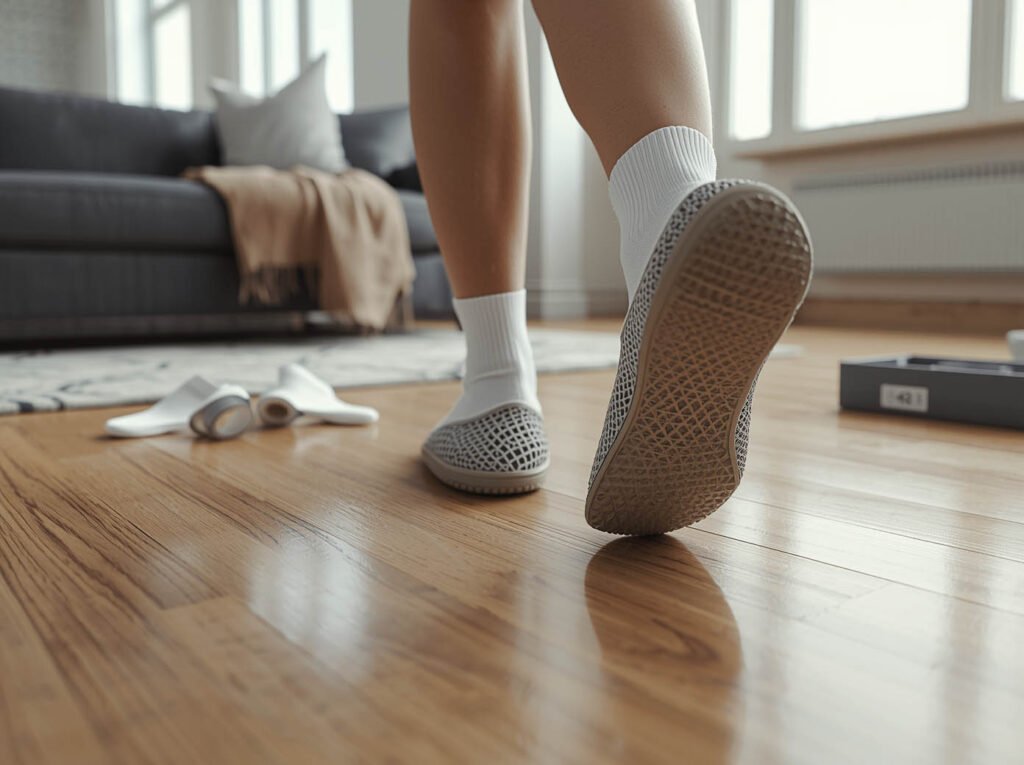
Check Your Feet After Each Wear
After each test wear, check the heel, toes, outer foot, arch, and top of the foot.
Look for:
- Redness
- Tender skin
- Pressure marks
- Warm areas
- Skin that feels raw
Early irritation matters. A small hotspot today can become a blister tomorrow if the same friction continues.
Increase Wear Time Gradually
If the first test goes well, increase wear time slowly.
A practical break-in sequence could look like this:
- 10–20 minutes indoors
- 15–30 minutes outside
- One short errand
- Half-day casual wear
- Longer walking only after no hotspots appear
This is especially important for people who are prone to blisters or who plan to wear lattice shoes barefoot.
Bring Backup Protection
For the first longer wear, carry blister patches, tape, or moleskin. A spare pair of socks can also help if your feet sweat or if the shoe starts rubbing.
If you are testing the shoes away from home, bring a backup pair. It is better to change shoes early than to keep walking after the skin is already irritated.
Common Hotspots in Lattice Shoes
Hotspots can appear anywhere, but lattice shoes often create issues in a few predictable areas.
Heel Rubbing
Heel rubbing usually happens when the heel lifts inside the shoe or when the back of the shoe is too firm. It can also happen if the heel cup is shallow or the shoe does not hold the rearfoot securely.
A thin sock, heel grip, better lacing tension, or blister tape may help. If the heel continues to slip, the fit may be wrong.
Toe and Forefoot Pressure
Toe and forefoot blisters often come from a narrow toe box, stiff front structure, or pressure from the upper. Wide feet are especially vulnerable here.
If your toes feel compressed or rub against the front or sides of the shoe, do not assume the material will stretch like mesh. Some printed structures keep their shape.
Side-Foot Irritation
Side-foot irritation often affects people with wide feet or feet that spread during walking. A lattice sidewall may press into the outer foot, especially during turns or longer walks.
This type of rubbing can be subtle at first. It may feel like warmth or mild pressure before it becomes painful.
Top-of-Foot Rubbing
The top of the foot can rub against straps, printed uppers, tongue areas, or closure systems. If the shoe uses a one-piece printed structure, pressure may concentrate where the foot bends.
Lacing or strap adjustments may help, but the goal is even pressure. Tightening the shoe to stop movement can create new pressure on the top of the foot.
Arch and Midfoot Discomfort
Some lattice midsoles or footbeds feel supportive in one area but too firm in another. Arch irritation may happen when the printed structure presses against the foot shape incorrectly.
This is not always a blister issue at first, but repeated midfoot pressure can lead to soreness, rubbing, or skin irritation.
How to Fix Hotspots Before They Become Blisters
A hotspot is the best time to act. Once a blister forms, the shoe becomes harder to wear comfortably.
Stop When You Feel Burning or Sharp Rubbing
Burning, stinging, or sharp rubbing means the skin is under stress. Stop and check the area.
If the skin is red but not broken, protect it before wearing the shoes again. If the skin is already damaged, let it heal before testing the same shoe again.
Use Blister Tape or Moleskin on Friction Zones
Blister tape and moleskin help reduce rubbing in targeted areas. They work well on heels, toes, side-foot zones, and strap-contact points.
Apply protection before the blister forms, not after the skin is already raw. For known friction points, pre-taping is often more effective than reacting later.
Apply Anti-Friction Balm
Anti-friction balm can help reduce skin drag, especially for barefoot wear or areas where socks do not fully protect the skin.
It is useful around the heel, toes, and sides of the foot. However, balm is not a fix for poor fit. If the shoe is too narrow or the heel slips heavily, balm may only delay the problem.
Change Socks if Moisture Builds Up
Moisture makes skin softer and more vulnerable to friction. Sweaty feet are more likely to blister, especially in warm weather or during longer walks.
Moisture-wicking socks can help. If you are wearing the shoes for several hours, changing into dry socks may reduce friction and irritation.
Adjust Fit Carefully
Fit adjustments can reduce movement and pressure. Depending on the shoe, that may include changing sock thickness, adjusting laces, using heel grips, adding a thin insole, or loosening pressure across the top of the foot.
The goal is to secure the foot without creating new pressure points. A shoe that is too loose can rub. A shoe that is too tight can press and irritate.
Do Not Force a Bad Fit
Repeated rubbing is usually a sign of a fit or design issue. It is not something your foot should simply tolerate.
Some shoes need a short adjustment period, but persistent friction is different. If the same hotspot appears every time, the shoe may not match your foot shape, walking pattern, or intended use.
Practical Advice for Different Types of Wearers
Different feet need different strategies. Lattice shoes can work well for some people, but the first-wear approach should match your foot shape and use case.
If You Have Wide Feet
Check the toe box and sidewalls carefully. Wide feet often rub along the outer forefoot or little toe area.
Look for sizing notes about width. If the shoe has a fixed printed upper, do not assume it will stretch enough to solve side pressure. Start with socks and short walks before wearing the shoes for longer use.
If You Sweat a Lot
Moisture increases friction. Use moisture-wicking socks and avoid barefoot wear during hot conditions.
Let the shoes dry between wears. Even breathable lattice structures can still feel uncomfortable if sweat builds up on the skin. If your feet get damp quickly, carry spare socks for longer outings.
If You Are Prone to Blisters
Use protection early. Thin socks, toe socks, blister tape, and gradual break-in are your safest tools.
Do not start with barefoot wear. Do not test new lattice shoes on long walks. If you often get heel blisters, pre-tape the heel before the first outdoor test.
If You Want to Wear Lattice Shoes Barefoot
Start slowly. Wear the shoes with socks first to confirm the basic fit. Then test barefoot indoors for a short period.
Only increase barefoot wear if there is no redness, burning, or pressure. Barefoot comfort depends heavily on the shoe’s internal surface finish and how securely it holds the foot.
If You Use Lattice Shoes for Long Walks
Test the shoes on shorter routes first. Long walks create repeated friction that may not appear during casual standing or short indoor wear.
Pay close attention to heel slip, forefoot pressure, heat buildup, and side rubbing. If any hotspot appears early in the walk, protect it immediately or change shoes.
Problems and Limitations
Lattice shoes can improve breathability, flexibility, and material efficiency, but they do not automatically eliminate blisters. The same open structure that makes the shoe breathable can also create new surface-contact issues if the fit or finish is not right.
Not Every Lattice Shoe Is Designed for Long-Distance Walking
Some lattice shoes are made for casual wear, recovery, fashion, product experimentation, or limited daily use. Others may be designed for more active walking.
Use case matters. A breathable printed sandal, a lifestyle lattice sneaker, and a performance-focused printed shoe should not be judged the same way.
If a shoe is not built for long-distance walking, forcing it into that role can create friction problems.
Custom Fit Does Not Always Mean Blister-Free
Custom fit can improve comfort, but it does not guarantee blister prevention.
Even scan-based or made-to-measure shoes can rub if the material is too stiff, the internal surface is rough, the heel hold is poor, or the foot moves differently during real walking than it did during scanning.
A custom shape helps, but friction still depends on movement, moisture, pressure, and surface finish.
Open Lattice Designs Can Still Create Friction
Open lattice designs improve airflow, but airflow is not the same as friction control.
A shoe can be breathable and still rub. If the foot slides against a printed surface, or if a firm lattice edge presses against the skin, blisters can still happen.
Breathability helps manage heat and moisture, but it does not replace good fit.
Some Printed Materials Do Not Soften Like Fabric
Traditional shoes often become softer after wear. Printed materials may remain more consistent.
This can be an advantage for structure and repeatability, but it also means pressure points may not disappear. If a printed edge or sidewall irritates your foot, the shoe may not break in the way a textile sneaker would.
Barefoot Comfort Depends on Surface Finish
Barefoot wear requires smooth contact. A lattice shoe may look soft and flexible from the outside but still have internal transitions, pressure ridges, or textured zones that irritate skin.
If the shoe is designed for barefoot use, it should feel smooth during movement, not just while standing still.
How to Choose Lattice Shoes That Are Less Likely to Cause Blisters
Choosing the right lattice shoe starts with understanding how it will contact your foot during real use.
Look for Smooth Contact Areas
Pay attention to the heel, toe box, sidewalls, arch, and top of the foot. These are the areas most likely to rub.
A good lattice shoe should avoid harsh edges in high-contact zones. Smooth transitions matter more than visual complexity.
Check Whether the Shoe Is Meant for Socks or Barefoot Wear
Some shoes are clearly better with socks. Others are designed for direct skin contact.
This matters because socks change the friction profile. A shoe that works well with socks may feel rough barefoot. A barefoot-oriented shoe should have smoother internal contact and better control of pressure points.
Read Fit Notes Carefully
Pay attention to width, sizing, return policies, and comments about rubbing, break-in, or heel slip.
Length alone is not enough. A shoe can be the correct size but still wrong for your foot shape.
Choose the Right Use Case
A casual lattice shoe may not be ideal for long walks. A recovery-style shoe may not be built for fast walking. A fashion-focused printed shoe may prioritize form over all-day comfort.
Match the shoe to the use: short casual wear, daily errands, barefoot use, long walks, or performance activity.
Be Cautious With Long First Wears
Even if the shoe feels good at first, friction can appear after repeated steps. The safest approach is to test slowly and increase wear time only when your feet show no signs of irritation.
A comfortable first impression is useful, but blister prevention depends on how the shoe performs after movement.
Final Takeaway: Preventing Blisters Comes Down to Fit, Friction, and Testing
Preventing lattice shoes blisters is mostly about controlling fit, friction, moisture, and wear time.
Start with socks. Test the shoes indoors. Take a short outdoor walk. Check your feet after each session. Do not wait until pain appears. Burning, redness, or sharp rubbing means the shoe needs adjustment.
Socks are the safest starting point for most users. Barefoot wear can work, but only when the shoe has smooth contact areas, a secure fit, and no early hotspots.
The most important rule is simple: treat hotspots immediately. If a spot burns, rubs, or turns red, fix it before wearing the shoes longer.
FAQ
They can, but not always. Lattice shoes are more likely to cause blisters when the fit is wrong, the internal surface is firm, or the shoe is worn barefoot too soon. A well-designed lattice shoe with the right fit can be comfortable, but it still needs gradual testing.
Yes. Socks are usually the safest choice at first. Thin, moisture-wicking socks reduce direct friction and help protect the skin while you test the fit.
You can wear some lattice shoes barefoot if they are designed for direct skin contact and do not create rubbing. Start with very short sessions and check your feet afterward. Avoid barefoot wear during long walks until the shoes have proven comfortable.
First, check for heel slip. If the heel lifts with every step, try adjusting the fit, changing socks, using heel grips, or applying blister tape. If the heel continues to rub every time, the shoe may not fit your rearfoot properly.
Stop wearing them before the hotspot becomes a blister. Protect the area with blister tape or moleskin, change socks if moisture is present, and adjust the fit. If the same hotspot returns, the shoe may not match your foot shape.
They can be, but custom fit does not guarantee blister-free wear. Blisters can still happen if the surface finish, material stiffness, heel hold, or walking movement creates friction.
Start with short indoor wear, then short outdoor walks, then half-day use. Only wear them all day after several sessions with no redness, burning, or pressure points. For blister-prone feet, the break-in period should be slower.