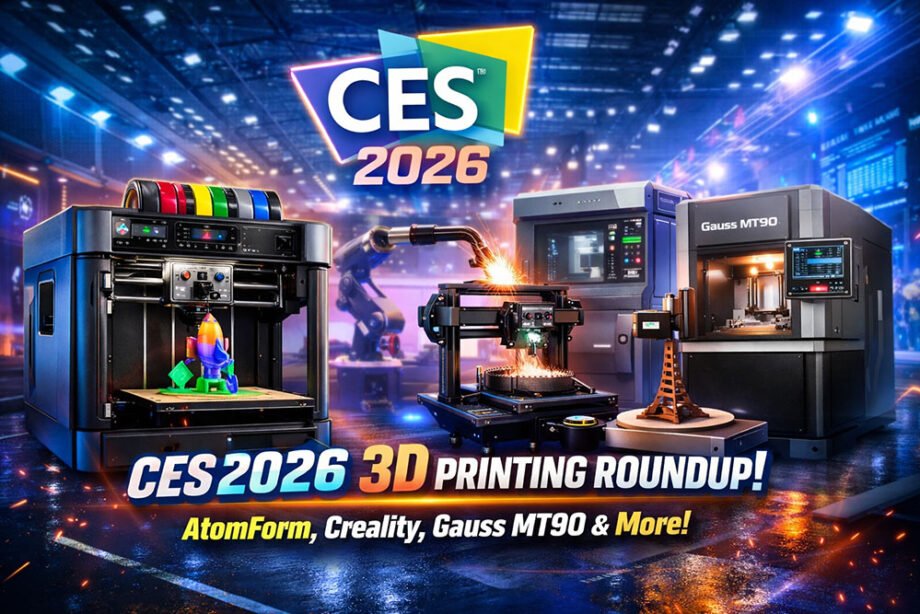
Introduction: CES 2026 just changed the 3D printing conversation
CES 2026 was not just another trade show for additive manufacturing — it was a clear signal that 3D printing has entered its breakout phase. What was once a niche corner of the show floor has evolved into a centerpiece of innovation, standing shoulder to shoulder with AI, robotics, and advanced manufacturing.
From jaw-dropping multi‑color desktop printers to safer metal manufacturing systems and even edible 3D printing experiences, CES 2026 delivered a flood of announcements that redefined expectations. This CES 2026 3D printing roundup brings everything together in one place, giving you a complete, high‑energy snapshot of what launched, why it matters, and what it means for the year ahead.
Whether you are a tech journalist chasing the next headline, a hobbyist planning your next upgrade, an engineer evaluating production workflows, or a procurement manager scouting future‑proof investments — this is your one‑stop guide.
CES 2026 3D printing in 90 seconds: the big picture
CES 2026 proved that additive manufacturing is no longer experimental — it is production‑ready, scalable, and increasingly intelligent.
Across the show floor, several clear signals emerged:
- Desktop 3D printers are now multi‑material, full‑color, and AI‑assisted
- Metal 3D printing is becoming safer, cleaner, and more accessible
- Materials innovation is unlocking real end‑use applications
- Software and AI are collapsing the gap between idea and physical object
In short, 3D printing at CES 2026 felt less like “future tech” and more like the next standard.
Top 3D printer launches at CES 2026
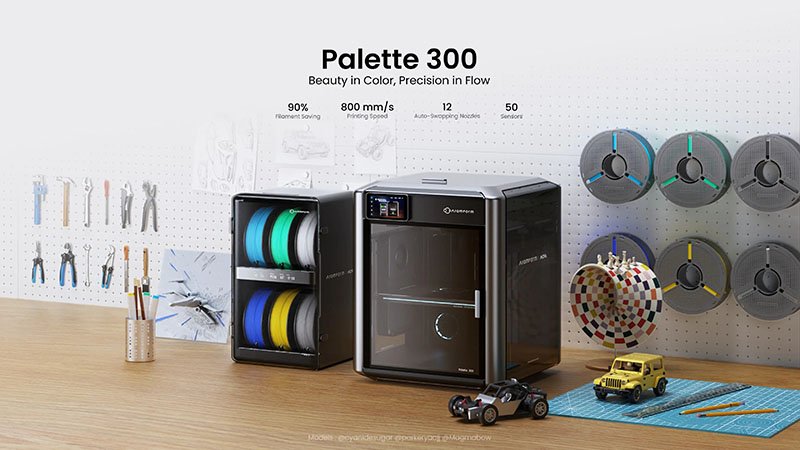
AtomForm Palette 300 — the most talked‑about printer at CES
The spotlight belonged to the AtomForm Palette 300, unveiled by AtomForm (MOVA Group). This machine pushed desktop FDM printing into territory once reserved for industrial systems.
Key highlights:
- 12 independent nozzles
- Up to 36 colors and 12 materials in a single print
- 300 × 300 × 300 mm build volume
- Claimed speeds up to 800 mm/s
- Proprietary OmniElement automatic nozzle switching system
- AI‑driven monitoring with 50+ sensors and four internal cameras
What truly impressed attendees was the drastic reduction in filament waste — a long‑standing weakness of multi‑material systems. Combined with quiet operation, built‑in air filtration, and aggressive pricing, the Palette 300 positioned itself as a legitimate professional desktop tool, not a novelty.
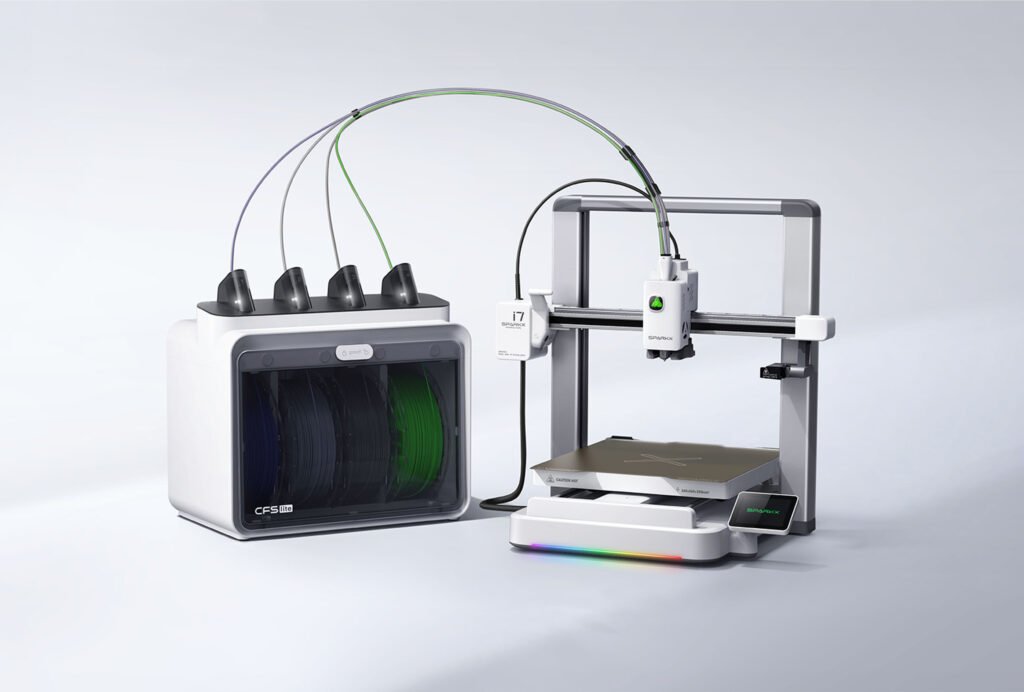
Creality SPARKX i7 — AI meets mass‑market 3D printing
Creality arrived at CES 2026 with momentum and confidence. The headline announcement was the SPARKX i7, a printer designed to make advanced features feel effortless.
Standout features included:
- Multi‑color printing with a four‑filament system
- Tool‑free, quick‑swap hotend
- AI‑assisted slicing and failure detection
- CubeMe, Creality’s photo‑to‑3D‑model AI generator
- Deep cloud and mobile app integration
Creality also showcased the Ender‑3 V4, reinforcing its commitment to entry‑level users, alongside ecosystem tools like the Falcon T1 laser engraver and Sermoon P1 3D scanner. The message was clear: Creality is building an end‑to‑end creation platform, not just printers.
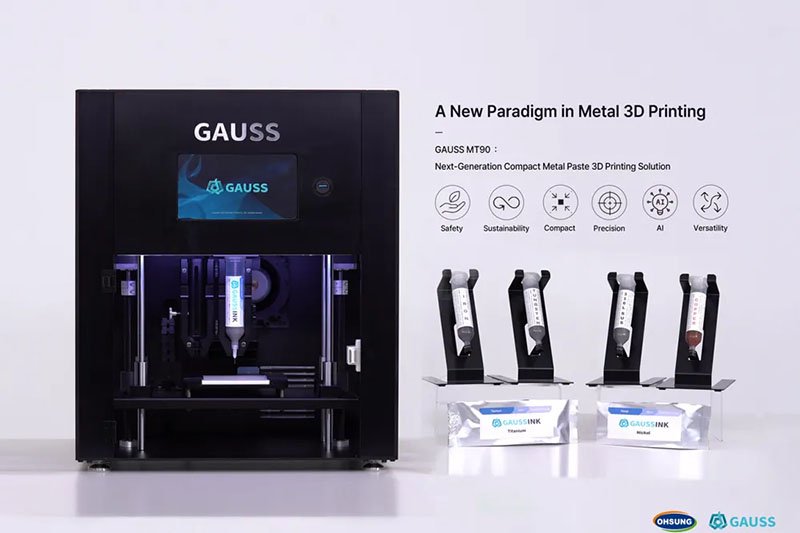
Gauss MT90 — redefining metal 3D printing safety
Industrial attention centered on the Gauss MT90, introduced by South Korea’s MetalPrinting Ltd. Instead of lasers and loose powders, the MT90 uses paste‑based metal extrusion, dramatically lowering barriers to metal additive manufacturing.
Why it stood out:
- No metal powder handling
- Lower energy consumption
- Built‑in HEPA filtration
- Support for stainless steel, copper, titanium, and aluminum
- Compact footprint for labs and small factories
The Gauss MT90 earned a CES 2026 Innovation Award, cementing its relevance for electronics manufacturing, R&D labs, and industrial environments that demand safety and reliability.
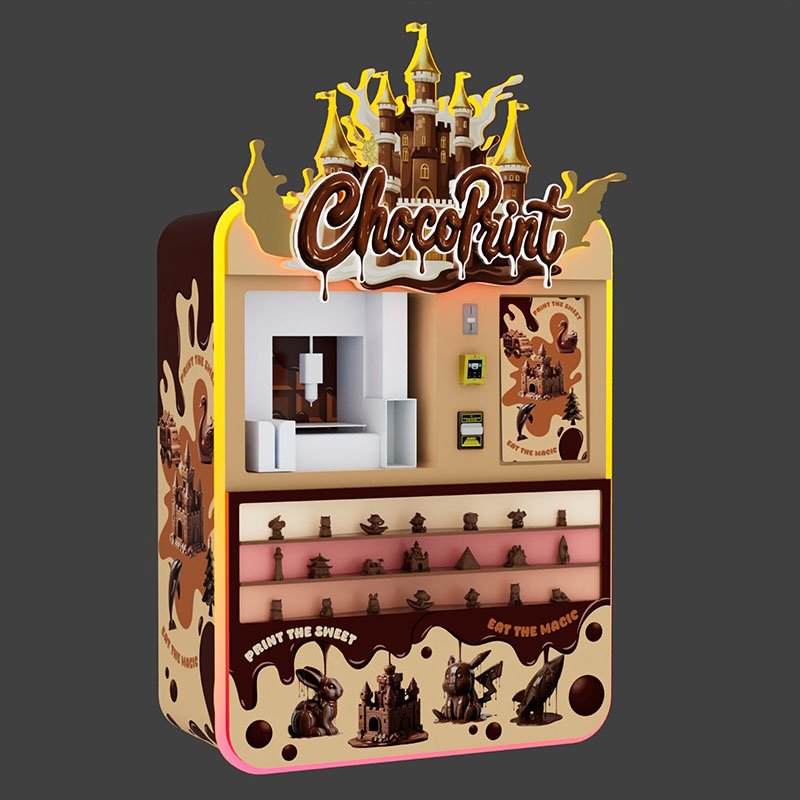
Sweet Robo ChocoPrint™ — edible 3D printing goes commercial
One of the most crowd‑drawing demos came from Sweet Robo and its ChocoPrint™ system. This technology uses 3D printing to produce custom chocolate designs on demand.
Rather than targeting homes, ChocoPrint is aimed at:
- Retail and pop‑up stores
- Events and brand activations
- Automated vending concepts
It demonstrated how 3D printing can create emotional, shareable experiences — not just parts.
Materials, software, and ecosystem breakthroughs
CES 2026 reinforced a crucial reality: hardware alone no longer wins.
Materials companies like eSUN showcased engineering‑grade filaments and resins, including:
- Flexible TPU and PEBA
- Carbon‑fiber‑reinforced polymers
- Flame‑retardant and high‑temperature materials
On the software side, AI dominated the conversation. From AI‑generated 3D models to self‑correcting printers and cloud‑connected workflows, the distance between concept and finished object continues to shrink.
The biggest 3D printing trends revealed at CES 2026
- Multi‑color and multi‑material printing is becoming standard
- AI is improving reliability, speed, and accessibility
- Metal printing is moving toward safer, powder‑free solutions
- Experiential and edible 3D printing is gaining commercial traction
- Materials innovation is enabling real end‑use parts
- Cloud ecosystems are now expected, not optional
- Sustainability and safety are core buying criteria
Together, these trends signal a major shift: additive manufacturing is aligning with mainstream production, not just prototyping.
Resources & further reading
- AtomForm Palette 300: https://atomform.tech/
- Creality CES 2026 announcements: https://www.creality.com/blog
- Gauss MT90 & MetalPrinting Ltd.: https://enmetalprintinginc.com/
- Sweet Robo ChocoPrint™: https://sweetrobo.com
- eSUN materials portfolio: https://www.esun3d.com
- CES official exhibitor directory: https://www.ces.tech/exhibit/exhibitor-overview/
- CES Innovation Awards: https://www.ces.tech/innovation-awards
Final takeaway
CES 2026 marked a clear inflection point for 3D printing. Desktop systems became smarter and more expressive, metal printing became safer and more practical, and entirely new application categories emerged.
If CES 2026 proved anything, it is this: 3D printing is no longer waiting for its moment — it has arrived.
Subscribe for deep‑dive reviews as we put these machines through real‑world testing, performance benchmarks, and hands‑on evaluations throughout 2026.