Introduction
You find a cool 3D model online — maybe a movie prop, a collectible toy, or a famous sculpture — and decide to print it at home. It feels like a harmless creative project. But here’s the question: when does 3D printing cross from creativity into copyright infringement?
The rise of 3D printing has revolutionized how we design, create, and share objects. Yet it also blurs the boundaries of intellectual property law. Copying or distributing digital design files without permission can, in some cases, be treated just like pirating music or movies. Understanding where the legal limits lie is essential for makers, businesses, and hobbyists alike.
This article explains what copyright protects in 3D printing, when reproducing designs becomes illegal, and how the rules differ in the U.S., the European Union, and globally. We’ll also explore how to stay safe and creative without breaking the law.
What Copyright Protects in 3D Printing
Copyright law protects original works of authorship, including art, design, sculpture, and even digital models. In the context of 3D printing, copyright applies to two things:
- The digital file (CAD or STL file), and
- The physical object printed from that file.
According to the World Intellectual Property Organization (WIPO, wipo.int), digital reproductions are covered under the same copyright principles as physical works. That means if you take a copyrighted sculpture, scan it into a 3D model, and print it, you’ve effectively created an unauthorized copy — even if you never sell it.
The U.S. Copyright Office (copyright.gov) clarifies that protection extends to any original expression fixed in a tangible medium. Since 3D printing files are digital blueprints, they qualify as protected works.
In short: if a design is protected by copyright, making or sharing its 3D version without permission can be infringement.
When 3D Printing Crosses Into Copyright Infringement
3D printing becomes illegal when it involves reproduction, distribution, or sale of copyrighted material without authorization. That includes:
- Printing a replica of a copyrighted object (e.g., a Star Wars figure or a designer chair).
- Uploading, selling, or sharing 3D files of copyrighted designs on marketplaces.
- Scanning and reprinting a physical copyrighted object.
Even if no money changes hands, infringement can occur. For example, uploading a 3D model of a movie prop to a free file-sharing platform may still violate copyright laws.
Law firm Farella Braun + Martel (fbm.com) notes that the law doesn’t require intent. In other words, you can infringe copyright even by accident — if you didn’t realize the design was protected.
The Digital Millennium Copyright Act (DMCA) in the U.S. also covers digital designs. Hosting or distributing 3D-print files that reproduce protected works can lead to takedowns or legal action.
Regional Differences: U.S. vs. EU vs. Global
While the core principles are similar worldwide, there are key regional differences in how 3D printing copyright laws are enforced.
United States
- Governed by Title 17 of the U.S. Copyright Act.
- The DMCA extends copyright to digital materials, including CAD/STL files.
- Uploading or sharing protected files can trigger liability for both the uploader and the host platform.
- The Fair Use doctrine allows limited use for education, commentary, or parody — but not for printing replicas of copyrighted objects.
Example: Printing your own Iron Man helmet for fun is likely infringement, unless it falls under parody or transformative use (a high bar to meet).
European Union
The EU Design Regulation (effective May 2025) explicitly extends design rights to 3D printing. According to Lewis Silkin LLP (lewissilkin.com), creating or sharing digital files of protected designs without authorization counts as infringement.
Unlike the U.S., the EU allows very limited personal-use exceptions. Even private reproduction may be illegal if it harms the rights holder’s commercial interests.
Additionally, the EU Product Liability Directive (2022) and Product Safety Regulation (2024) require that all products, including 3D-printed ones, meet safety and compliance standards.
Global / International
Internationally, treaties like the Berne Convention and TRIPS Agreement (WTO) provide a unified baseline: works protected in one member country are protected in all others.
WIPO encourages applying traditional copyright to digital manufacturing. Some countries, like Canada and Japan, are exploring specific 3D printing clauses in their national IP laws.
In short, there is no universal “3D printing law,” but existing copyright frameworks apply worldwide.
Scanning, Remixing, and Fan Art: The Gray Areas
3D printing thrives on remix culture, but this is where legal lines get blurry.
3D Scanning
Scanning a copyrighted object to create a 3D model counts as reproduction under copyright law. Unless the object is in the public domain (e.g., Michelangelo’s David), scanning it without permission can infringe rights.
Remixing and Derivative Works
Modifying someone else’s 3D model to make your own version creates a derivative work. Under copyright law, derivative works also require permission from the original creator.
Fan Art and Pop Culture Prints
Fan art is often tolerated but not necessarily legal. Companies like Disney, LEGO, and Games Workshop actively enforce their copyrights, especially when fan models are sold for profit. Some IP owners have published official policies allowing limited non-commercial fan creations, but selling those prints is still infringement.
To stay safe:
- Use Creative Commons-licensed models.
- Attribute original creators properly.
- Avoid commercializing fan-based designs.
Reference: creativecommons.org
Selling or Sharing 3D Prints: Commercial Use Risks
Once money is involved, the stakes get higher.
Selling 3D-printed replicas or design files of copyrighted works is considered commercial infringement. Online platforms such as Etsy, Cults3D, and MyMiniFactory enforce strict IP policies. According to Etsy’s IP Policy (etsy.com/legal/ip), sellers must ensure they have the right to use and distribute all designs.
Examples of infringement:
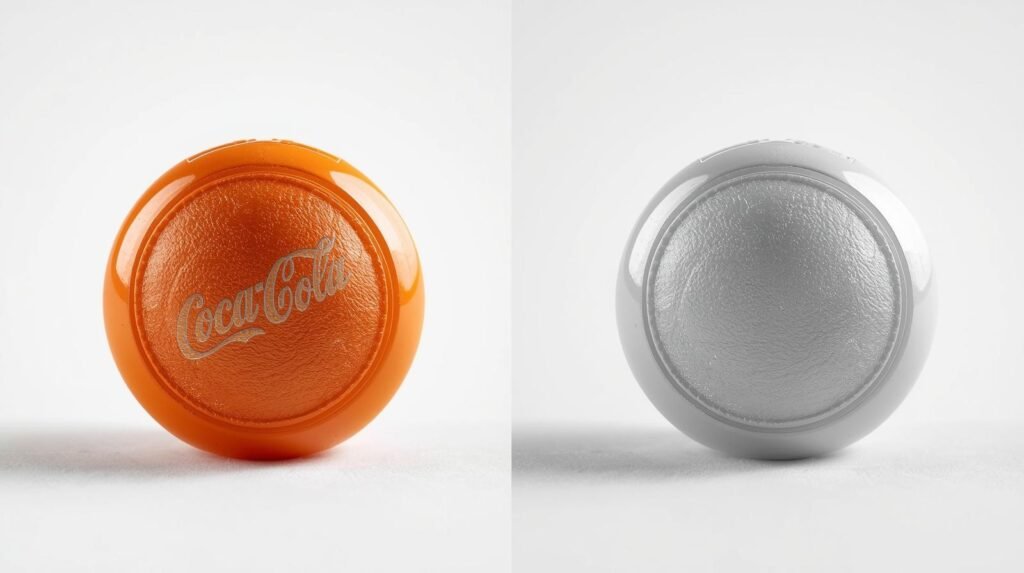
- Selling 3D-printed movie props or branded gadgets.
- Uploading paid STL files of a trademarked design.
- Offering 3D scanning services for protected products.
Safe alternatives:
- Create original designs from scratch.
- Use royalty-free or open-source models.
- Obtain licenses from rights holders for commercial use.
Many designers now sell licensed 3D models through official marketplaces, giving buyers peace of mind.
Staying Safe: Legal 3D Printing Best Practices
Protect yourself and your work by following these best practices:
- Check the license before downloading or printing. Look for Creative Commons, public domain, or open-source permissions.
- Avoid uploading models that replicate protected designs.
- Keep records of your original work (timestamps, design drafts, etc.).
- Attribute creators when using open models.
- Consult IP professionals if you plan to commercialize 3D prints.
- Understand platform rules: sites like Thingiverse and Sketchfab flag noncompliant models and can suspend accounts.
These steps not only protect you legally but also help sustain a healthy and ethical maker community.
Sources: sketchfab.com, thingiverse.com
Real-World Cases and Lessons
Legal cases around 3D printing are still emerging, but some examples highlight how copyright is being tested in the digital age:
- Games Workshop vs. 3D Modelers (2019): The tabletop gaming giant pursued creators selling unlicensed Warhammer figures. The case set a precedent for applying traditional copyright laws to 3D-printed models.
- Hasbro x Shapeways (2014): Instead of litigating, Hasbro partnered with Shapeways to allow fans to sell officially licensed designs — showing collaboration can work.
- Etsy Takedowns (Ongoing): Disney and Lucasfilm have filed numerous DMCA takedowns for unlicensed props and cosplay accessories. Sellers were forced to remove listings or face account termination.
These cases illustrate that enforcement is evolving, but the underlying principle remains: if you didn’t design it or license it, you probably shouldn’t print or sell it.
References: bbc.com, theverge.com, techdirt.com
The Future of Copyright in 3D Printing
As 3D printing becomes more mainstream, lawmakers are adapting. The EU Design Regulation 2025 will make design protection even stricter, including digital blueprints. In the U.S., the Copyright Office and USPTO continue to review how digital manufacturing fits within current frameworks.
Experts predict new regulations addressing:
- Traceable digital watermarks in 3D design files.
- Blockchain verification for original CAD files.
- Licensing platforms for sharing and selling designs legally.
As technology evolves, the balance between innovation and protection will continue to shift. But the legal foundation is clear: the same copyright laws that apply to paintings, music, and movies also apply to 3D prints.
Conclusion: The Fine Line Between Creativity and Illegality
3D printing has opened a world of creative freedom. But with that freedom comes responsibility. Every digital design, whether it’s a sculpture, a prop, or a toy, represents someone’s intellectual property.
The golden rule of legal 3D printing is simple:
If you didn’t design it, license it, or verify it’s public domain — don’t print it.
By respecting copyright laws, makers and designers not only protect themselves but also strengthen the creative ecosystem that fuels innovation.