Introduction
adidas is pushing football footwear into a new era with its first adidas 3D-printed football boot, introduced under Project R.A.P. (Radical Athlete Perception). For those following the evolution of 3D-printed footwear on 3DShoes, this marks a major shift—not just in design, but in how performance footwear could be created moving forward.
The promise is compelling: bespoke fit, athlete-driven design, and next-generation performance powered by additive manufacturing. But despite the excitement, there are still critical gaps in what’s publicly known.
In this breakdown, we analyze what adidas has confirmed, what can be inferred from its existing 3D printing technology, and what remains unknown.
What Is adidas Project R.A.P.?
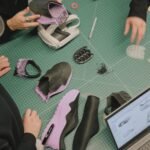
Project R.A.P. (Radical Athlete Perception) is adidas’ innovation platform focused on translating athlete feedback into engineered footwear.
Instead of designing first and testing later, adidas reverses the process:
- Athlete movement is captured
- Feedback is analyzed
- Data is converted into design constraints
Core system components:
- Motion capture environments
- Force plate data tracking
- Multi-angle camera systems
- Real-time athlete testing
The goal is simple but powerful: create footwear tailored to how athletes actually move and feel.
The First adidas 3D-Printed Football Boot (Overview)
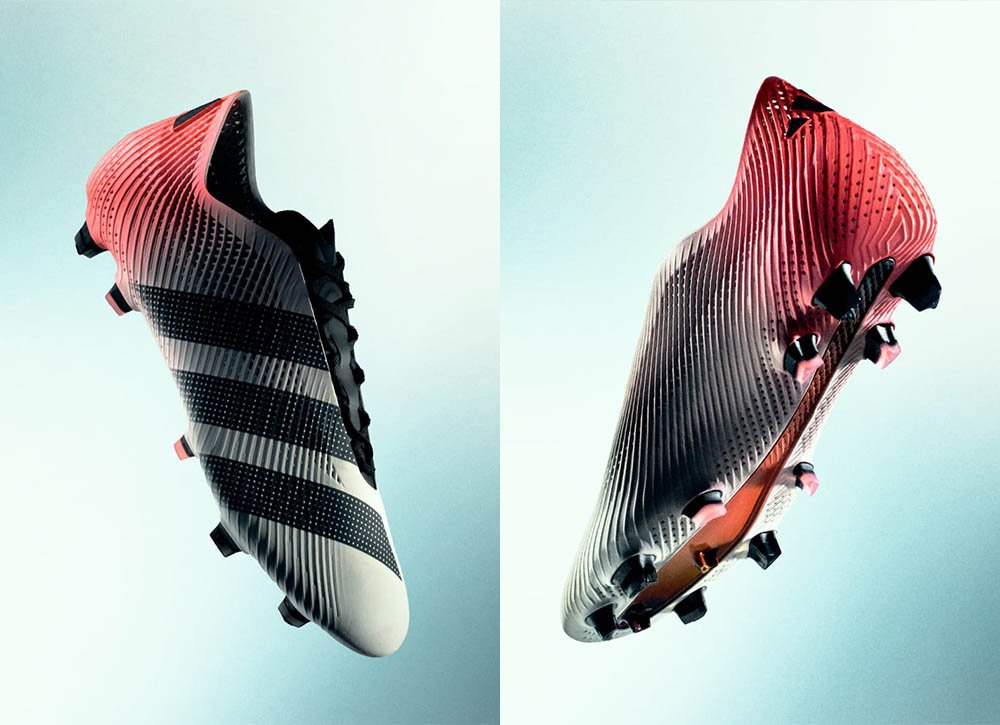
The first football boot under Project R.A.P. is currently a concept-level product, not a full commercial release.
What adidas has confirmed:
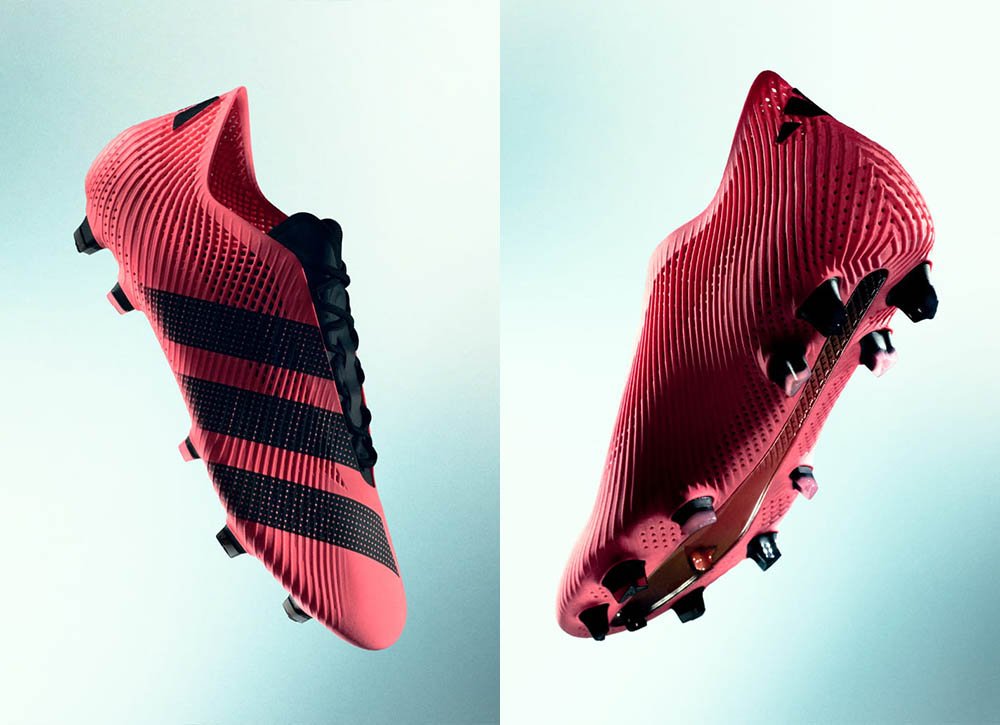
- The boot features a 3D-printed design
- It delivers bespoke fit and tailored support
- It is built using athlete testing and performance data
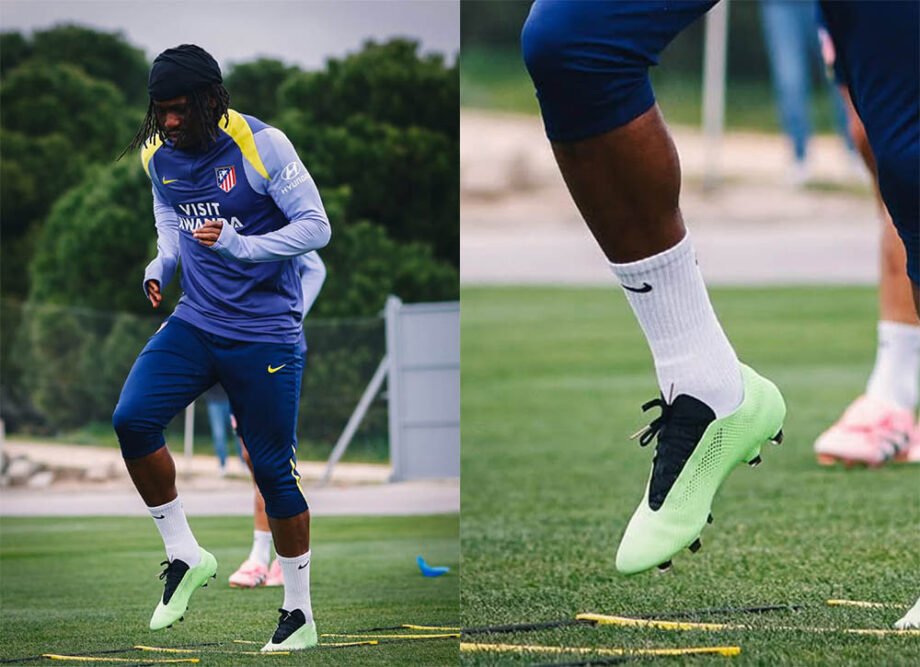
Athlete involvement:
- Khvicha Kvaratskhelia
- Ademola Lookman
Observed design features:
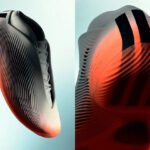
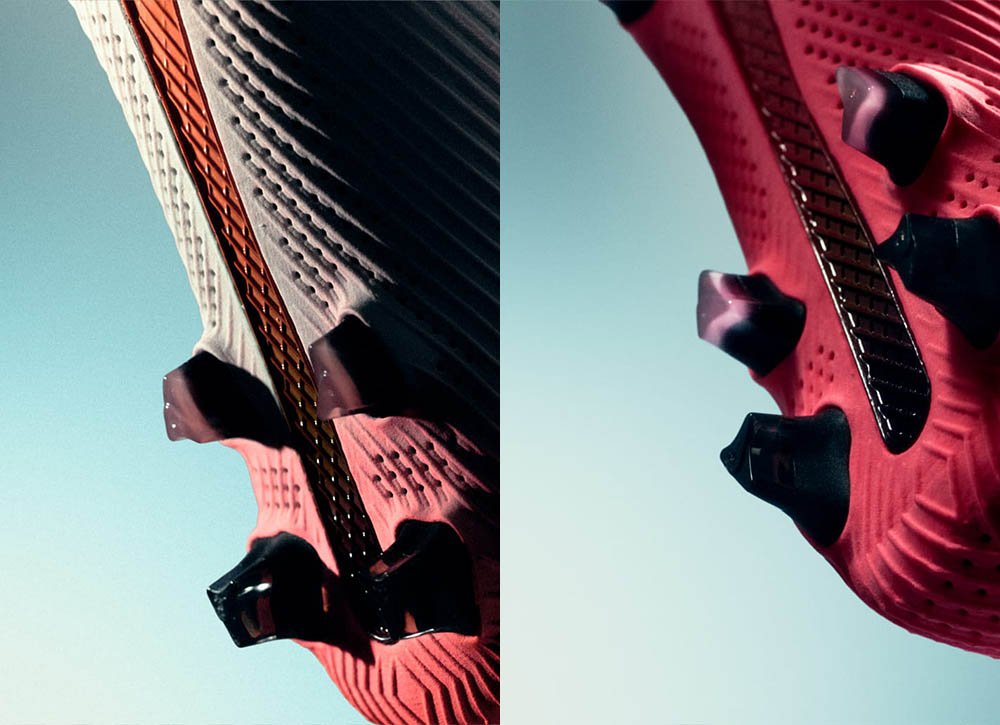
- Lattice / porous upper structure
- Traditional lacing system
- Firm-ground studded outsole
- Ribbed zones for structural support
Notably, adidas has not assigned the boot to an existing silo (Predator, F50, etc.), suggesting a completely new direction.
How adidas Is Using 3D Printing
While adidas has not officially confirmed the exact process used for this boot, it likely builds on its Digital Light Synthesis (DLS) platform.
Typical workflow:
- Athlete data capture
- Digital modeling and simulation
- Layer-by-layer 3D printing
- Post-processing and curing
- Final assembly
What 3D printing enables:
- Custom lattice structures for support and flexibility
- Reduced need for molds and tooling
- Faster iteration cycles
Reference baseline:
The adidas CLIMACOOL LACED—another 3D-printed product—takes approximately 24 hours to produce and is designed to be lighter than traditional footwear.
Expected Performance Benefits
adidas currently highlights two core benefits:
- Bespoke fit
- Tailored support
Likely performance improvements:
- Improved pressure distribution
- Enhanced stability during directional changes
- Better energy transfer
Important limitation:
There is no quantitative performance data released yet, making it difficult to validate these claims against existing elite boots.
What adidas Has NOT Revealed
This is where the biggest gaps exist.
Missing details include:
- Exact 3D printing technology used
- Material composition
- Boot weight
- Stud configuration
- Plate stiffness data
- Durability testing results
- Retail price
- Release timeline
- Consumer availability
These unknowns limit proper comparison with traditional football boots.
Manufacturing Reality — Can It Scale?
3D printing offers flexibility, but scaling remains a challenge.
Current constraint:
- ~24 hours per pair (based on CLIMACOOL production)
Challenges:
- Production capacity
- Cost efficiency
- Quality control
Likely rollout path:
- Elite athlete use
- Limited releases
- Gradual expansion
Sustainability Considerations
3D printing is often seen as sustainable—but the reality is nuanced.
Potential benefits:
- Reduced material waste
- Less reliance on traditional molds
Potential drawbacks:
- High energy usage
- Limited recyclability of materials
Currently, adidas has not released sustainability data specific to this boot.
3D-Printed vs Traditional Football Boots
| Feature | 3D-Printed Boot | Traditional Boot |
|---|---|---|
| Fit | Custom | Standard |
| Production | Digital | Mass production |
| Materials | Printed polymers | Synthetic materials |
| Availability | Limited | Widely available |
Key takeaway:
This represents a fundamental shift in how boots are made, not just a design upgrade.
What This Means for the Future of Football Footwear
Emerging trends:
- Personalized footwear at scale
- Digital manufacturing pipelines
- Reduced inventory reliance
Long-term impact:
- Athlete-specific designs
- On-demand production models
- New pricing structures for custom gear
For readers of 3DShoes.com, this is a clear signal that 3D printing is moving from experimental to performance-critical.
Sources & Further Reading
- https://sneakernews.com/2026/04/09/adidas-project-rap-football-boot/
- https://www.footyheadlines.com/2026/03/revolutionary-adidas-to-release-3d.html
- https://www.adidas.com/
FAQ: adidas 3D-Printed Football Boot
Project R.A.P. is adidas’ platform for creating athlete-specific footwear using performance data and 3D printing.
No, the current version is a concept. Consumer release details have not been announced.
adidas has not confirmed it, but it likely uses Digital Light Synthesis (DLS), based on previous products.
They have potential advantages in fit and customization, but there is no confirmed performance data yet.
adidas has stated that more information will be released in the coming months, but no exact date is confirmed.
Final Thoughts
The adidas 3D-printed football boot under Project R.A.P. represents one of the most important developments in modern footwear.
But right now, it sits at the intersection of innovation and uncertainty.
As more details emerge, we’ll continue tracking everything here on 3DShoes.com—from materials and performance to real-world testing.
👉 Stay updated as this story evolves.