

2AM has opened its first standalone 3D printed footwear store in Malaysia, bringing its technology-led shoes into a dedicated retail environment at IOI City Mall. As printed footwear moves beyond online launches and limited releases, can physical stores make the technology easier for mainstream shoppers to evaluate?
2AM Opens First Standalone Store in Malaysia
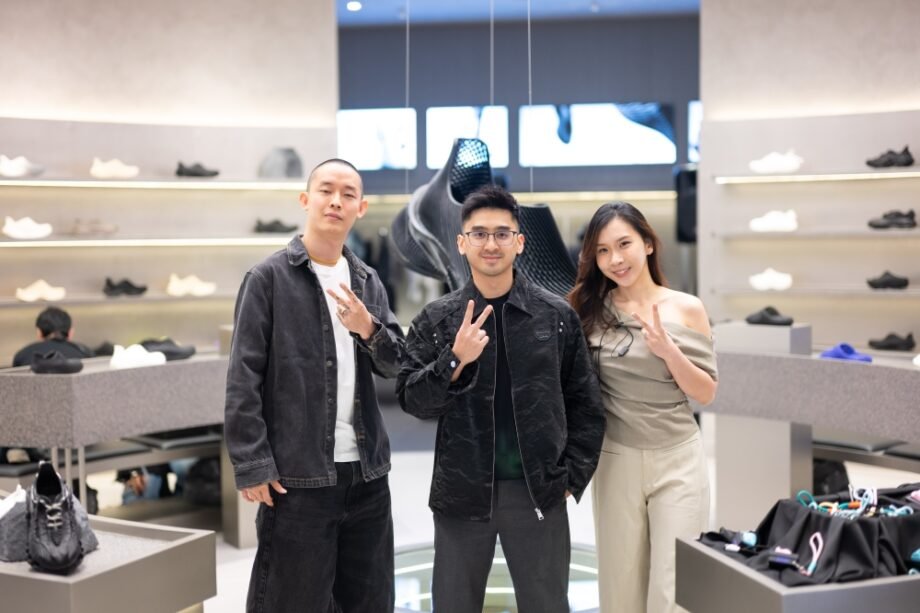
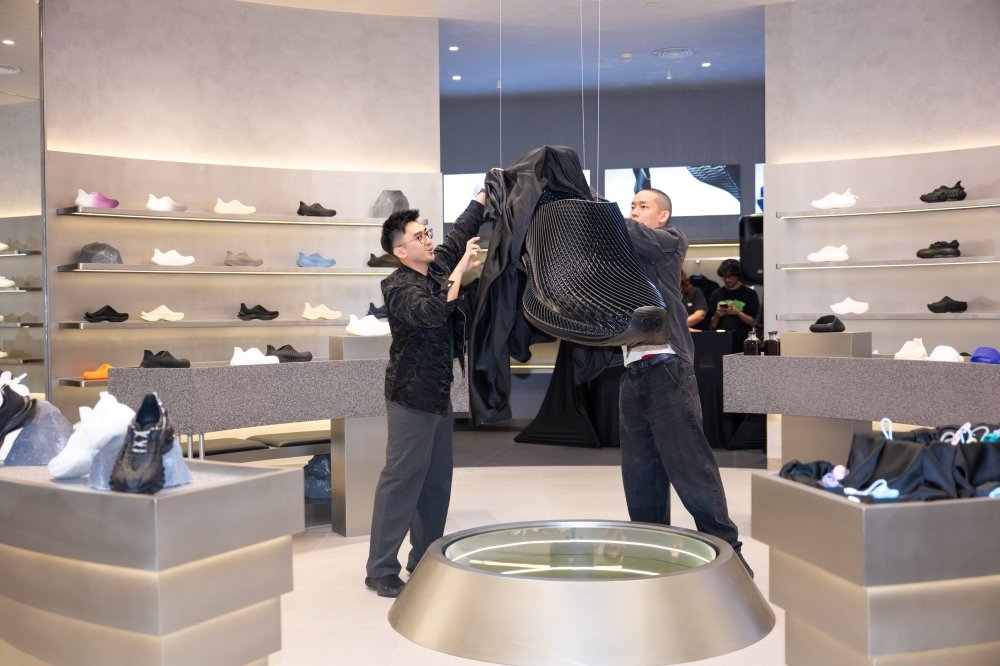
The footwear brand officially opened its first standalone Malaysian location at IOI City Mall on August 28, marking a new stage in its retail expansion. The opening follows 2AM’s existing presence through selected retail partners in Kuala Lumpur and Selangor.
Instead of filling the store with conventional footwear inventory, 2AM presents a smaller selection in a curated environment designed to put more attention on the products and their manufacturing technology.
That distinction matters for an unfamiliar product category. Shoppers encountering 2AM 3D printed shoes can handle the footwear, inspect its printed structures and try different models instead of relying entirely on online product images.
2AM is already preparing its next Malaysian location. A second store at Sunway Pyramid is scheduled to open on September 15, while the company has identified other major Malaysian shopping destinations as potential future locations.
Inside the 3D Printed Footwear Store
The retail concept puts the printed construction itself at the center of the experience.
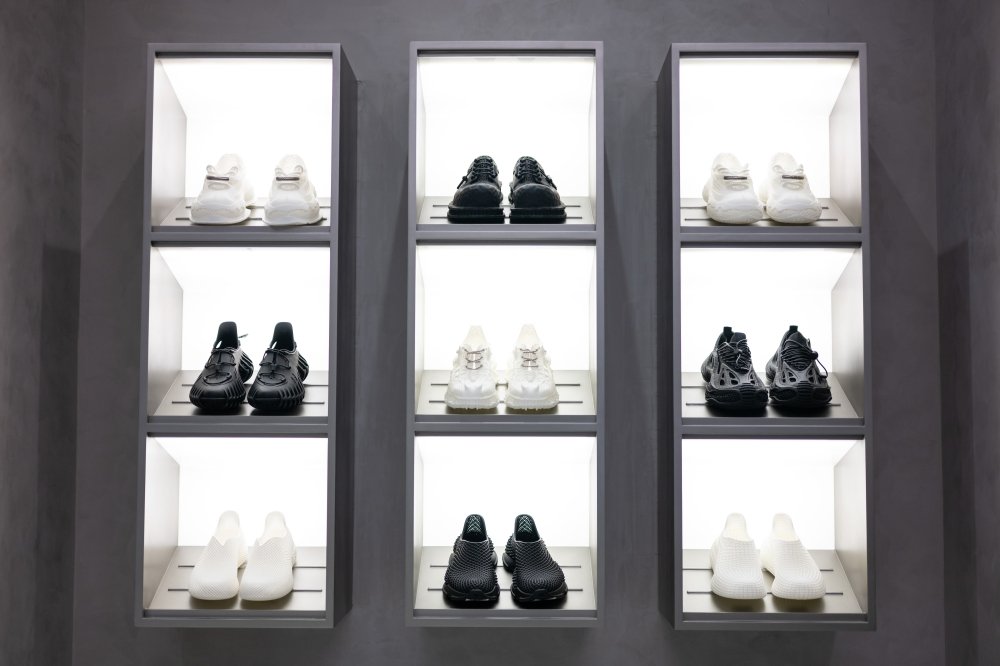
2AM sells printed footwear across slippers, slip-ons and sneakers. Its Malaysian online catalog currently includes models such as the Awake slipper, Rocker sneaker, CrissCross, Evolve and Trekker.
Prices also indicate where the company sits in the market. The Awake starts at RM389, while the Rocker is listed at RM589 and the Evolve sneaker at RM789.
The technology allows 2AM to experiment with forms and internal structures that would be difficult to reproduce using conventional cut-and-sew footwear construction. The company also says its process reduces waste from cutting and trimming while avoiding adhesives used in traditional assembly.
For consumers, the practical difference is simpler. A physical 3D printed shoe store lets shoppers evaluate properties that are difficult to communicate through a screen, including flexibility, weight, texture, fit and underfoot feel.
That makes retail particularly relevant for printed footwear. The manufacturing method may be part of the product’s appeal, but it does not automatically tell customers whether a shoe will be comfortable or suitable for everyday use.
3D Printed Footwear Retail Moves Beyond Online Discovery
Much of the emerging 3D printed footwear market has developed through online launches, limited drops and collaborations. A permanent store introduces a different test: whether consumers will consider printed footwear alongside conventional shoes in a mainstream retail environment.
2AM’s decision to locate its first standalone store at IOI City Mall puts that question into practice. The company cited the mall’s foot traffic and consumer profile as factors behind the location.
For shoppers unfamiliar with additive manufacturing, seeing and wearing the footwear can reduce some of the uncertainty surrounding a relatively new construction method. Customers do not need to understand the printing process to compare the finished product with footwear they already own.
Physical retail also gives 2AM direct feedback about which designs, price points and product characteristics consumers respond to.
That feedback could become increasingly useful as the company expands. Retail performance can show whether interest in 3D printed shoes in Malaysia extends beyond technology enthusiasts and fashion-focused early adopters.
One store cannot establish that demand on its own. The upcoming Sunway Pyramid location and any subsequent stores will provide a better indication of whether the concept can work across different retail environments.
Malaysia Becomes a Test Market for 2AM 3D Printed Shoes
After IOI City Mall, 2AM is considering additional Malaysian shopping destinations including Pavilion Kuala Lumpur, The Exchange TRX, Mid Valley, 1 Utama and KLCC. The company has said expansion will be selective rather than focused simply on opening as many stores as possible.
Its longer-term ambitions extend beyond Malaysia.
2AM says its five-year vision includes expansion into Southeast Asia and eventually Japan. It also plans to use collaborations, events and relationships with local creative communities to build awareness around the brand.
For the wider industry, Malaysia provides an interesting test for 3D printed footwear retail because adoption does not have to begin with a large international athletic brand.
A smaller specialist company can instead build its identity around additive manufacturing from the beginning.
There is an important limitation, however. Announced expansion plans are not the same as demonstrated retail demand. The number of stores that ultimately open, how long they operate and whether consumers return after the initial novelty period will matter more than the size of the company’s current expansion roadmap.
What This Means for 3D Printed Footwear
The significance of the 2AM opening is less about another printed sneaker and more about where the products are being sold.
For years, 3D printed footwear has often appeared through prototypes, experimental collaborations and digitally driven product launches. Dedicated physical retail presents a more commercially demanding question: can printed shoes function as an ordinary footwear category that consumers encounter, try and purchase in person?
That transition matters because footwear remains highly dependent on physical characteristics.
Fit, cushioning, flexibility and comfort cannot be fully evaluated from manufacturing specifications. Giving consumers access to printed shoes in stores addresses a practical barrier that online-only distribution cannot completely remove.
Physical retail could eventually create another opportunity: connecting additive manufacturing directly with individual customers.
Personalized sizing, customized arch support and exterior design preferences are among the possibilities 2AM has discussed for the future. These capabilities, however, should not be confused with what shoppers can buy today.
2AM does not currently offer on-demand or personalized footwear at its Malaysian store. The company describes those features as potential future applications rather than existing retail services.
A true digitally customized retail system would require more than placing printed shoes on shelves. It could involve reliable foot measurement, software that translates customer data into footwear geometry, sufficient manufacturing capacity, predictable production times and a practical process for returns or fit corrections.
The current store does not solve those challenges. Instead, it provides a physical environment where consumers can become familiar with the products while 2AM tests whether there is enough demand to expand the concept.
What to Watch Next
The immediate indicator will be 2AM’s second Malaysian store at Sunway Pyramid, scheduled to open September 15. If the opening proceeds as planned, the company will quickly move from one standalone location to testing the format across multiple major shopping centers.
Beyond store count, several developments will be important to watch:
- Whether 2AM expands into additional Malaysian locations
- Whether its retail concept attracts customers beyond early adopters
- Whether personalized sizing or arch-support options become actual services
- Whether manufacturing becomes more closely integrated with the retail experience
- Whether expansion into Southeast Asia or Japan moves from planning to confirmed locations
The larger question is whether the 3D printed footwear store becomes simply a distinctive way to showcase unusual products or develops into something conventional footwear retail cannot easily reproduce.
That difference will become clearer after the novelty of printed construction wears off.
If companies such as 2AM eventually connect physical stores with digital fit data, localized customization and additive production, retail could become one place where the advantages of 3D printed footwear become tangible to ordinary consumers.
For now, the IOI City Mall opening represents a smaller but concrete step. 3D printed shoes are moving into dedicated physical retail, where the technology must compete on fit, comfort, price and everyday usefulness rather than novelty alone.
Mini FAQ
Where is the 2AM 3D printed footwear store?
2AM’s first standalone Malaysian store is at IOI City Mall. The store officially opened on August 28, 2026.
How much do 2AM 3D printed shoes cost?
Prices vary by model. Current examples include the Awake from RM389, the Rocker at RM589 and the Evolve at RM789.
Does 2AM offer custom 3D printed shoes?
Not currently at its Malaysian store. 2AM has discussed personalized sizing and arch support as future possibilities, but these are not current retail services.