3D Shoes 3D Shoes
  • News
  • Innovation
  • Design
  • Companies
  • Shoes
Reading: Are 3D Printed Shoes Comfortable? What It Really Feels Like to Wear Them
Follow 3DShoes on LinkedIn
Font ResizerAa
3DShoes3DShoes
  • Home
  • About
  • Shoes
  • Companies
  • Innovation
  • Design
  • News
  • Guides
  • Shoes

Voxeljet Greyscale 3D Printing

R_Shoes R_Shoes June 26, 2024
5.9kLike
4kFollow
3.7kPin
3.7kFollow
  • 3D Printed Shoes
  • 3D Companies
  • About
  • STL Files
  • Contact
© 2026 3DShoes.com. All Rights Reserved.
Guides

Are 3D Printed Shoes Comfortable? What It Really Feels Like to Wear Them

R_Shoes
Last updated: April 12, 2026 10:53 pm
By R_Shoes 9 Min Read
Share
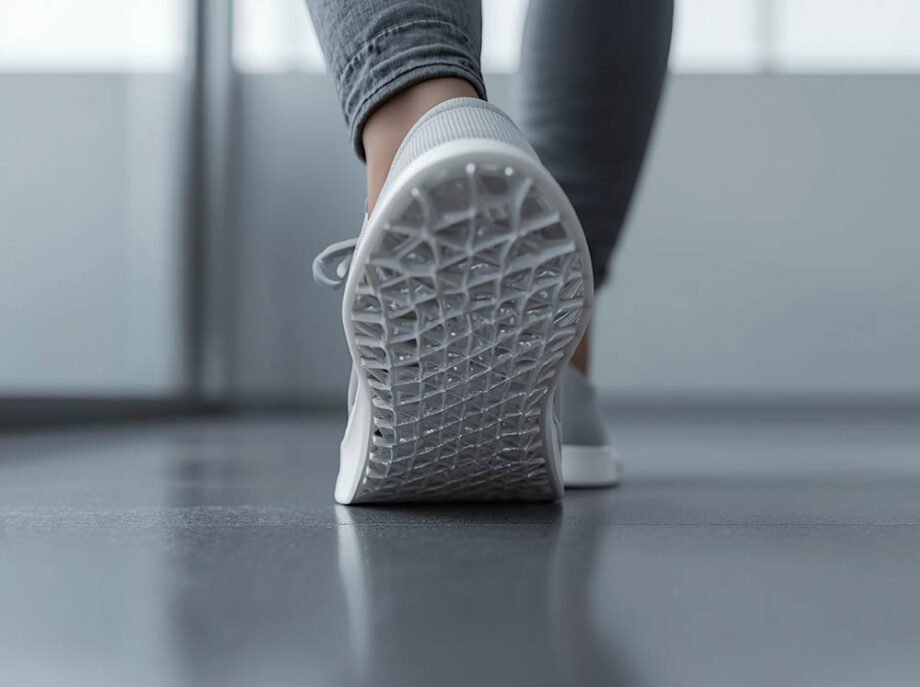
3D printed shoes with lattice midsole worn on foot showing real comfort and structure
SHARE

3D printed shoes are often described as futuristic, lightweight, and precisely engineered—but that doesn’t automatically mean they’re comfortable.

Table of Contents
Quick Answer — Are 3D Printed Shoes Comfortable?What Makes 3D Printed Shoes Feel Comfortable (or Not)?Lattice Structure vs Foam CushioningMaterial Matters (TPU, Resin, Nylon)Fit and CustomizationBreathability and WeightReal-World Comfort — What It’s Like to Actually Wear ThemWalking and Daily UseStanding for Long PeriodsAthletic or High-Impact UseBreak-In PeriodDo 3D Printed Shoes Hurt? Common Comfort IssuesHard or Uneven Feel UnderfootPressure Points from Lattice DesignLack of Arch SupportHeat and Friction Concerns3D Printed Shoes vs Regular Shoes — Comfort ComparisonCushioning Feel (Soft vs Structured)Long-Term Wear ComfortSupport and StabilityWho Will Notice the Biggest DifferenceWhen 3D Printed Shoes Are a Good Choice for ComfortWhen They Might Not Be ComfortableHow to Choose Comfortable 3D Printed ShoesLook for Flexible Materials (TPU-Based)Check Lattice Density and DesignConsider Intended Use (Not Just Style)Read Real User Feedback Before BuyingPractical Tips to Improve ComfortFinal Verdict — Are 3D Printed Shoes Comfortable Enough?FAQ

If you’re considering buying a pair, the real question is simple:

👉 Do they actually feel good on your feet during everyday use—or do they come with trade-offs compared to regular shoes?

Comfort in 3D printed footwear depends on how the shoe is built, the material used, and how long you wear it. The experience can range from supportive and stable to firm and fatiguing, depending on the design.


Quick Answer — Are 3D Printed Shoes Comfortable?

Yes, 3D printed shoes can be comfortable—but the experience is less consistent than traditional footwear.

  • Best-case scenario: Comfortable for casual wear, short walks, and light daily use
  • Worst-case scenario: Feels stiff, uneven, or tiring after extended wear
  • Key takeaway: Comfort varies significantly due to the lattice structure and materials used

Unlike foam-based sneakers that compress evenly, 3D printed shoes use engineered structures that respond differently to pressure.


What Makes 3D Printed Shoes Feel Comfortable (or Not)?

Lattice Structure vs Foam Cushioning

The main difference comes from the midsole design.

Traditional shoes rely on foam that compresses uniformly. In contrast, 3D printed shoes use a lattice structure—a network of small cells designed to flex and distribute load.

  • Lattice systems don’t “sink” like foam
  • They compress in specific zones instead of evenly
  • The result is a firmer, more responsive feel

This structured response can feel stable underfoot, but it lacks the softness many people expect from sneakers.


Material Matters (TPU, Resin, Nylon)

Material selection plays a major role in comfort.

  • TPU (Thermoplastic Polyurethane):
    Flexible, slightly elastic, and currently the most comfortable option
  • Resin-based prints:
    Rigid and unforgiving, often uncomfortable over time
  • Nylon and blends:
    Durable, but can feel stiff depending on density and thickness

For better lattice shoes comfort, TPU-based designs generally perform the best.


Fit and Customization

3D printing allows for precise design, but most available models still use standard sizing.

  • Fully custom-fit shoes exist, but they are less common
  • Rigid structures make fit more critical than in soft foam shoes
  • Even small sizing issues can lead to pressure points

Because the material doesn’t adapt much, the initial fit matters more than usual.


Breathability and Weight

Most 3D printed shoes feel light and airy.

  • Open lattice structures improve airflow
  • Reduced weight can make them feel less tiring at first
  • However, less weight doesn’t always mean better support

They often feel minimal on foot, which works well for casual use but not always for long durations.


Real-World Comfort — What It’s Like to Actually Wear Them

Walking and Daily Use

For everyday use, 3D printed shoes can feel comfortable at first.

  • Suitable for errands, short walks, and casual wear
  • Stable on flat surfaces
  • After 1–2 hours, cushioning limitations become noticeable

They can handle light daily use, but extended walking may feel tiring.


Standing for Long Periods

This is where comfort differences become more obvious.

  • Continuous pressure on a firm lattice increases fatigue
  • Heel and forefoot areas tend to absorb most of the load
  • Compared to cushioned sneakers, support feels less forgiving

If you’re standing for hours, traditional shoes usually provide better comfort.


Athletic or High-Impact Use

Most 3D printed shoes are not built for impact-heavy activities.

  • Limited shock absorption
  • Harder landings during running or jumping
  • Discomfort increases quickly under repeated stress

They are better suited for low-impact use rather than sports or training.


Break-In Period

3D printed shoes behave differently from traditional footwear.

  • Foam softens over time; lattice structures mostly retain their shape
  • Any improvement in comfort is minimal
  • If they feel uncomfortable at first, that usually doesn’t change much

Comfort is largely determined from the first few wears.
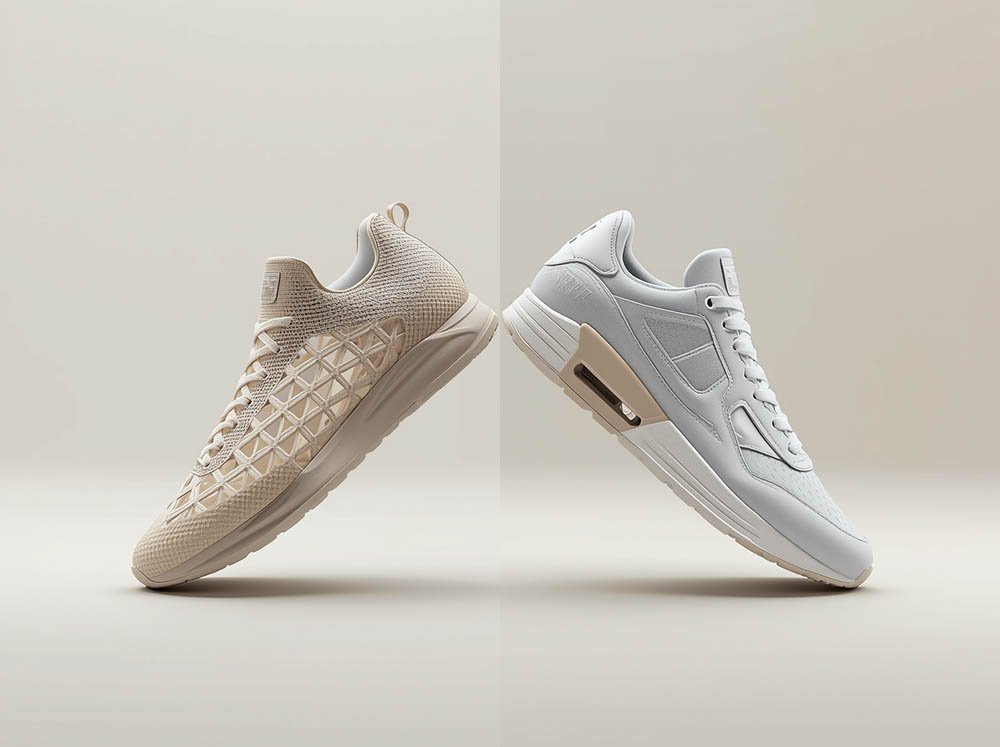
comparison of 3D printed lattice shoe and regular sneaker sole highlighting comfort differences

Do 3D Printed Shoes Hurt? Common Comfort Issues

Hard or Uneven Feel Underfoot

Some models feel firm or “plastic-like.”

  • Caused by rigid materials or dense lattice designs
  • Less compression leads to a harder feel on impact

Pressure Points from Lattice Design

Lattice geometry directly affects how pressure is distributed.

  • Uneven spacing can create localized stress points
  • Poor alignment with foot movement increases discomfort

Lack of Arch Support

Not all designs provide proper support.

  • Flat structures can strain the arch over time
  • Support varies widely between models

Heat and Friction Concerns

Breathability is generally good, but friction can still be an issue.

  • Rigid surfaces may cause rubbing
  • Improper socks or fit can increase irritation

These factors explain why some users ask, do 3D printed shoes hurt?—especially during longer wear.


3D Printed Shoes vs Regular Shoes — Comfort Comparison

Cushioning Feel (Soft vs Structured)

  • Traditional shoes: Soft, compressive cushioning
  • 3D printed shoes: Firm, structured response

The difference is noticeable immediately when walking.


Long-Term Wear Comfort

  • Foam-based shoes maintain comfort over longer periods
  • Lattice shoes tend to cause fatigue sooner

Support and Stability

  • 3D printed shoes can feel stable due to their structure
  • Traditional shoes balance cushioning and support more effectively

Who Will Notice the Biggest Difference

  • Casual users may adapt more easily
  • Active users or those used to soft cushioning will notice the firmness

This is the core of the comfort vs regular shoes comparison—structured vs cushioned feel.


When 3D Printed Shoes Are a Good Choice for Comfort

  • Short-term wear and casual outings
  • Users who prefer a firmer, responsive feel
  • Situations where breathability and lightweight design are priorities

When They Might Not Be Comfortable

  • Long hours of walking or standing
  • Running or high-impact activities
  • Anyone expecting soft, cushioned comfort

How to Choose Comfortable 3D Printed Shoes

Look for Flexible Materials (TPU-Based)

Choose designs that prioritize flexibility over rigidity.

Check Lattice Density and Design

Balanced, well-distributed lattice patterns tend to feel smoother.

Consider Intended Use (Not Just Style)

Match the shoe to how you plan to use it—casual vs active.

Read Real User Feedback Before Buying

Focus on long-term comfort reports, not just first impressions.


Practical Tips to Improve Comfort

  • Add cushioned insoles if the design allows
  • Limit wear time at first to avoid fatigue
  • Wear proper socks to reduce friction
  • Rotate with traditional shoes instead of using them all day

Final Verdict — Are 3D Printed Shoes Comfortable Enough?

3D printed shoes can be comfortable for certain situations, but they are not a full replacement for traditional footwear.

They work best for short-duration, low-impact use where breathability and lightweight design are advantages. For long wear or high-impact activities, their firm structure becomes a limitation.

Comfort is improving as materials and designs evolve, but for now, they are best used as an alternative option rather than an everyday standard.


FAQ

Are 3D printed shoes good for walking long distances?

They are generally not ideal for long-distance walking due to limited cushioning and increased foot fatigue.

Do 3D printed shoes feel hard?

Many models feel firmer because of their lattice structure and material properties.

Can 3D printed shoes cause foot pain?

Yes, especially if worn for extended periods without proper support or with a poor fit.

Are they better than regular sneakers?

They offer a different experience, but not better overall comfort.

Do they get more comfortable over time?

Slightly, but they don’t soften as much as traditional materials.

Are custom 3D printed shoes more comfortable?

They can be, especially when designed for your specific foot shape, but results depend on material and execution.

TAGGED:3D printed footwear comfort3D Printed Shoes3D printed sneakersadditive manufacturing shoesare 3D printed shoes comfortableare 3D printed shoes good for walkingcomfort vs regular shoesdigital footweardo 3D printed shoes hurtfootwear technologylattice midsolelattice shoes comfortshoe cushioning comparisonTPU shoes
Share This Article
Facebook Twitter Pinterest Whatsapp Whatsapp LinkedIn Reddit Telegram Email Copy Link Print

Launching something like this?

If you're working on a product, platform, or business, I design fast, SEO-structured WordPress websites built for real results..

Start Your Project
100+ websites built • 15+ years experience

Stay Up To Date!

Sign up for 3DShoes.com's mailing list where you will stay up-to-date with latest trends, drops, and more.

loader

Website Help

Need a website for your project?

I build clean, fast, SEO-structured WordPress websites for real business results.

Start Your Project
100+ websites built • 15+ years experience

Trending

Top 10 best 3D-printed shoes of 2025 featuring futuristic lattice-sole sneakers for performance and lifestyle wear
Top 10 Best 3D-Printed Shoes of 2025 — Performance, Fashion & Value
December 27, 2025
Syntilay Pulse Podz
PulsePodz Review — Is Syntilay’s 3D-Printed Recovery Slide Worth $149?
January 19, 2026
A close-up of a modern 3D printer creating a small figurine, representing digital manufacturing and copyright issues.
3D Printing and Copyright: When Does Making a Replica Become a Crime?
November 9, 2025
Skylrk Earth Bender shoe. Courtesy
Justin Bieber x Zellerfeld Reveal the Earth Bender — A 3D-Printed, Soccer-Inspired Shoe for SKYLRK
December 6, 2025

3D Printed Shoes →

3D Printing Companies →

Topics

  • Innovation
  • Design
  • News
  • Guides
  • Products
Follow 3DShoes on LinkedIn

Affiliate links on 3DShoes may earn us a commission. Learn more.

News

How Formism and Bambu Lab Are Rewriting Footwear: Inside the Persona 3D-Printable Shoe Launch

FORMISM by SCRY

Introduction — downloadable shoes, at last A small but significant shift in how we obtain footwear has moved from concept to market. FORMISM — a digital production studio created by…

January 21, 2026 News

Your may also like!

Lattice midsole deformation in 3D printed shoe after regular use
Guides

3D Printed Shoes Durability: How Long Do They Really Last?

R_Shoes April 12, 2026
adidas Project RAP football boot concept performance testing
Innovation & Trends

Inside adidas’ 3D-Printed Football Boot: What We Know (and What’s Missing)

R_Shoes April 10, 2026
Innovation & Trends

Best 3D Printing Service in 2026

R_Shoes April 10, 2026
Nike Air Works
News

Inside Nike Air Works: The 3D-Printed Air Max Program Explained

R_Shoes April 10, 2026

NEWSLETTER

Stay Updated on 3D Footwear Innovation

Get the latest insights, breakthroughs, and industry updates delivered to your inbox.

loader

No spam. Just relevant industry updates.

3D Shoes

3DShoes tracks the evolution of 3D-printed footwear—covering design, technology, and manufacturing to help make sense of where the industry is heading.

Quick Links

  • 3D Printed Shoes
  • 3D Companies
  • About
  • STL Files
  • Contact

Legal

  • Privacy Policy
  • Cookie Policy (EU)
  • Disclaimer
  • Terms & Conditions

Socials

Our website stores cookies on your computer. They allow us to remember you and help personalize your experience with our site. Read our privacy policy for more information.

© 2026 3DShoes – All Rights Reserved. Hosted & Developed by PixelCrafted.Dev.

Manage Consent
To provide the best experiences, we use technologies like cookies to store and/or access device information. Consenting to these technologies will allow us to process data such as browsing behavior or unique IDs on this site. Not consenting or withdrawing consent, may adversely affect certain features and functions.
Functional Always active
The technical storage or access is strictly necessary for the legitimate purpose of enabling the use of a specific service explicitly requested by the subscriber or user, or for the sole purpose of carrying out the transmission of a communication over an electronic communications network.
Preferences
The technical storage or access is necessary for the legitimate purpose of storing preferences that are not requested by the subscriber or user.
Statistics
The technical storage or access that is used exclusively for statistical purposes. The technical storage or access that is used exclusively for anonymous statistical purposes. Without a subpoena, voluntary compliance on the part of your Internet Service Provider, or additional records from a third party, information stored or retrieved for this purpose alone cannot usually be used to identify you.
Marketing
The technical storage or access is required to create user profiles to send advertising, or to track the user on a website or across several websites for similar marketing purposes.
  • Manage options
  • Manage services
  • Manage {vendor_count} vendors
  • Read more about these purposes
View preferences
  • {title}
  • {title}
  • {title}
Stay Up To Date!

Sign up for 3DShoes.com's mailing list where you will stay up-to-date with latest trends, drops, and more.

loader

Zero spam, Unsubscribe at any time.
adbanner
AdBlock Detected
Our site is an advertising supported site. Please whitelist to support our site.
Okay, I'll Whitelist
Welcome Back!

Sign in to your account

Lost your password?