

Most people hear that 3D printed shoes are “durable,” but that doesn’t answer the real question:
How long will they actually last in everyday use?
If you’re considering a pair, what matters is how they perform after weeks and months—not just how they feel on day one. Will they hold up like traditional sneakers, or wear out faster because of their materials and structure?
This guide breaks down realistic lifespan expectations based on materials, structure, usage, and real-world wear patterns.
Quick Answer — How Long Do 3D Printed Shoes Last?
The lifespan of 3D printed shoes varies significantly depending on how they’re used:
- Casual use: 6–12 months
- Daily wear: 3–6 months
- Athletic / high-impact use: 1–4 months
In most cases, they wear out faster than traditional sneakers—especially models with lattice midsoles that experience repeated compression.
Key takeaway: 3D printed shoes durability depends on material (typically TPU), structural design (lattice vs solid), and usage intensity.
What Determines the Durability of 3D Printed Shoes?
Material Matters — TPU Shoe Lifespan Explained
Most 3D printed footwear relies on TPU (thermoplastic polyurethane) due to its balance of flexibility and resilience.
- Advantages:
- Flexible and impact-absorbing
- Resistant to tearing and cracking under moderate use
- Limitations:
- Gradually softens under repeated load cycles
- Loses stiffness in high-pressure zones
Higher-grade TPU compounds extend lifespan, but all TPU materials eventually experience mechanical fatigue, especially in the heel and forefoot where stress is concentrated.
Lattice Structure vs Solid Foam
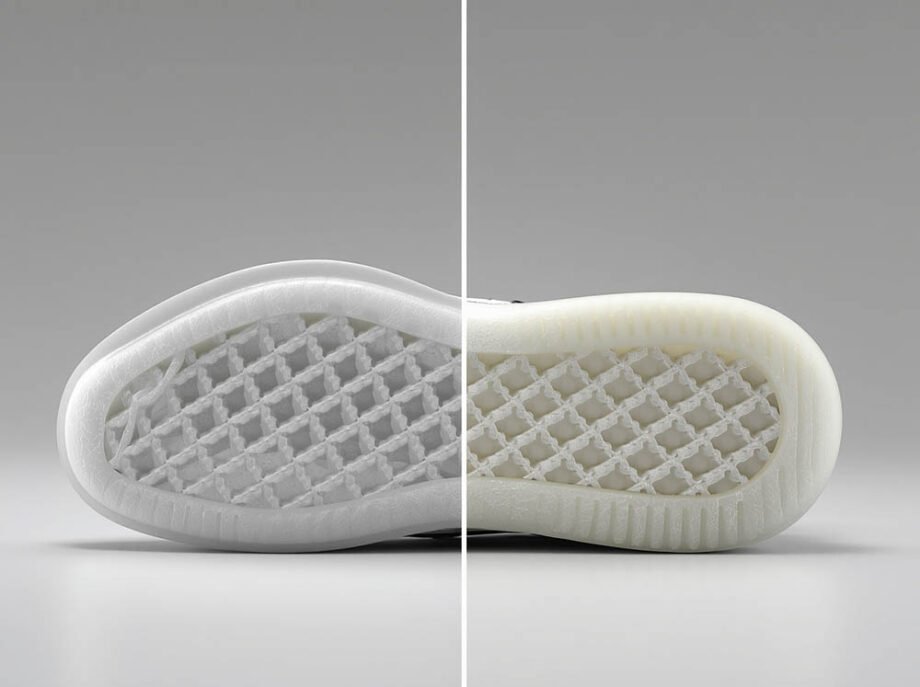
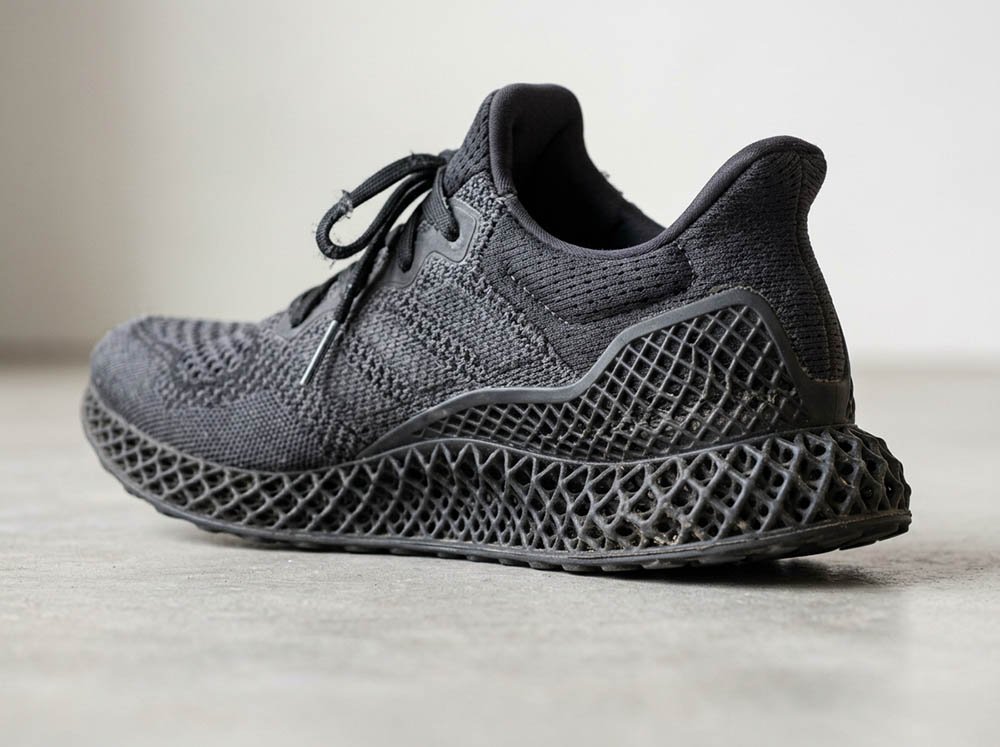
A defining feature of many 3D printed shoes is the lattice midsole—a network of interconnected structures designed to compress and rebound.
How it performs:
- Distributes force across multiple nodes
- Provides a more responsive and adaptive feel
- Reduces weight and improves airflow
Where durability drops:
- Repeated compression weakens specific lattice nodes
- Stress concentrates in key areas (heel strike, toe-off)
- Once a section deforms, surrounding areas take on more load
Unlike foam midsoles, which compress more evenly, lattice midsole durability declines unevenly, often starting in localized zones before spreading.
Print Quality and Manufacturing Process
Durability is also influenced by how the shoe is manufactured.
- Industrial-grade production:
- Stronger layer bonding
- More consistent structure
- Better long-term performance
- Lower-grade or experimental prints:
- Inconsistent density
- Weak points between layers
- Higher risk of early failure
Layer adhesion is critical. Weak bonding can lead to:
- early cracking
- structural separation
- reduced load capacity under stress
Real-World Usage — What Actually Happens Over Time
Walking and Casual Daily Use
During light use, 3D printed shoes feel comfortable and responsive.
Over time, gradual changes occur:
- TPU begins to soften
- Lattice stiffness decreases
- Slight compression appears in high-contact areas
This phase can last several months before performance noticeably declines.
Long Hours and Daily Wear
With extended daily use:
- Heel and forefoot compress faster
- Cushioning becomes less responsive
- Support gradually weakens
You may notice:
- flatter underfoot feel
- reduced energy return
- mild instability during longer walks
This is typically when durability limitations become more noticeable.
Running and High-Impact Activities
High-impact use accelerates wear dramatically.
- Repeated stress cycles fatigue the lattice
- Micro-deformations become permanent
- Structural collapse can occur in specific zones
Common outcomes include:
- flattened lattice sections
- cracks forming at stress points
- rapid loss of cushioning
Most 3D printed shoes are not designed for sustained running unless specifically engineered for it.
Environmental Factors (Heat, Moisture, Terrain)
External conditions significantly affect lifespan:
- Heat: softens TPU, increasing deformation
- Moisture: impacts grip and long-term material behavior
- Debris: trapped particles add internal stress to lattice structures
- Rough terrain: accelerates outsole wear
Shoes used indoors or in controlled environments generally last longer.
Common Wear Patterns and Failure Points
Lattice Collapse and Deformation
This is the most common failure mode:
- permanent compression in high-load areas
- reduced rebound and cushioning
- uneven support across the foot
Once deformation occurs, it does not reverse.
Outsole Wear and Traction Loss
Many designs use thin or integrated outsoles.
Over time:
- traction decreases
- surface material wears quickly
- underlying structure may become exposed
This is often one of the earliest visible signs of wear.
Upper Separation or Weak Bonding
In hybrid designs where printed soles attach to fabric uppers:
- stress builds at flex points
- bonding materials weaken over time
Failure typically occurs at:
- toe flex zones
- glue interfaces
- repeated bending areas
How 3D Printed Shoes Compare to Traditional Sneakers
Foam Midsoles vs Lattice Midsoles
Traditional foam (EVA, PU):
- gradual, predictable compression
- longer lifespan under consistent use
- stable cushioning over time
Lattice midsoles:
- more dynamic and responsive initially
- better airflow and weight reduction
- faster, uneven wear patterns
Foam degrades slowly and evenly, while lattice structures tend to degrade faster and more locally.
Durability vs Customization Trade-Off
3D printing allows:
- precise control over cushioning zones
- customized fit and structure
- complex geometries not possible with foam
However:
- more complexity introduces more stress points
- durability can be less predictable
- performance is often prioritized over longevity
Do 3D Printed Shoes Wear Out Faster?
In most cases, yes.
They tend to wear out faster when used for:
- daily long-duration walking
- high-impact activities
- outdoor conditions with rough surfaces
However, they can last similarly to traditional shoes when:
- used casually
- rotated with other pairs
- kept in low-impact environments
Durability is improving, but current designs still show faster wear in demanding conditions.
How to Make 3D Printed Shoes Last Longer
Rotate Your Shoes
Wearing the same pair daily increases stress accumulation.
Rotating shoes:
- reduces continuous compression
- allows partial material recovery
- extends usable lifespan
Limit High-Impact Use
Use them primarily for:
- casual walking
- short-duration wear
Avoid:
- running
- sports
- prolonged standing on hard surfaces
Proper Cleaning and Storage
- keep lattice structures free from dirt buildup
- avoid high temperatures (cars, direct sunlight)
- store in a cool, dry place
These steps help maintain material integrity over time.
Choose the Right Use Case
3D printed shoes perform best as:
- lifestyle footwear
- occasional-use pairs
They are not yet a full replacement for high-performance athletic shoes.
Are 3D Printed Shoes Worth It for Everyday Use?
They are a good option if you prioritize:
- lightweight design
- unique structure and feel
- innovative cushioning
Durability is generally sufficient for:
- casual wear
- moderate daily use
Traditional sneakers remain the better choice if you need:
- long-term durability
- heavy daily use
- consistent performance over extended periods
FAQ
Typically 3–6 months before noticeable loss of support and structure.
Yes. TPU gradually softens and loses stiffness under repeated stress cycles.
Most are not built for sustained running and wear out quickly under high impact.
Because stress concentrates in specific nodes, leading to localized deformation and faster structural fatigue.
No. Once the lattice structure deforms or collapses, it cannot be restored.
Higher-end models may last longer due to better materials and manufacturing, but the overall wear pattern is similar.
Yes. Advances in materials and printing methods are improving lifespan, but they still lag behind traditional footwear in durability.