3D Shoes 3D Shoes
  • News
  • Innovation
  • Design
  • Companies
  • Shoes
Reading: Do 3D Printed Shoes Cause Blisters? What Actually Happens to Your Feet
Follow 3DShoes on LinkedIn
Font ResizerAa
3DShoes3DShoes
  • Home
  • About
  • Shoes
  • Companies
  • Innovation
  • Design
  • News
  • Guides
  • Shoes
3D Printed Footwear Future

Reinventing Shoes: The Future of Footwear through 3D Printing

R_Shoes R_Shoes December 9, 2024
5.9kLike
4kFollow
3.7kPin
3.7kFollow
  • 3D Printed Shoes
  • 3D Companies
  • About
  • STL Files
  • Contact
© 2026 3DShoes.com. All Rights Reserved.
Guides

Do 3D Printed Shoes Cause Blisters? What Actually Happens to Your Feet

R_Shoes
Last updated: April 12, 2026 11:50 pm
By R_Shoes 9 Min Read
Share
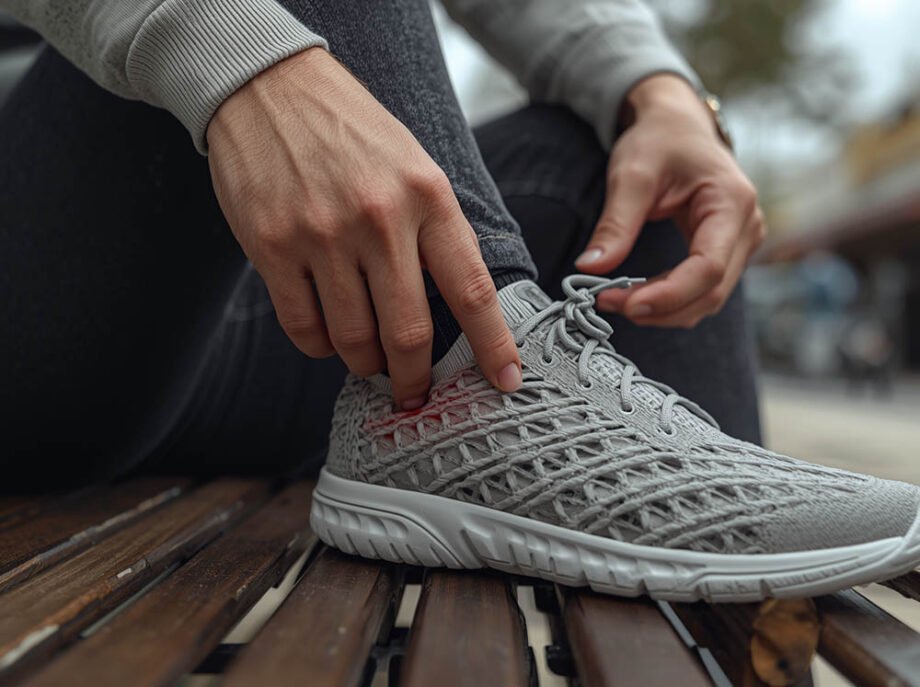
person experiencing heel irritation after wearing 3D printed lattice shoes
SHARE

Blisters are a common concern when trying 3D printed shoes—especially because of their open lattice structure and firmer materials.

Table of Contents
Quick Answer — Do 3D Printed Shoes Cause Blisters?Why Blisters Can Happen in 3D Printed ShoesFriction From Lattice StructuresMaterial Stiffness and Break-In PeriodHeat and Moisture BuildupFit and Sizing IssuesReal-World Usage — When People Actually Get BlistersFirst-Time Wear (Most Common Scenario)Wearing Them Without SocksLong Walking or Daily UseHigh Activity or Sweaty ConditionsWhen 3D Printed Shoes DON’T Cause BlistersCommon Problem Areas and LimitationsHeel Slippage and RubbingUneven Pressure PointsLimited Cushioning in Some DesignsNot Ideal for Sensitive Skin UsersHow to Prevent Blisters in 3D Printed ShoesStart With Short Wear SessionsWear the Right SocksCheck Fit Before Extended UseUse Anti-Friction SolutionsChoose the Right Shoe DesignAre 3D Printed Shoes Worse Than Regular Shoes for Blisters?Comparison With Traditional Foam ShoesLong-Term Comfort DifferencesSituations Where Each Performs BetterFinal Verdict — Should You Be Concerned About Blisters?FAQ

If you’re worried about friction, hot spots, or irritation (particularly with sockless 3D printed shoes), here’s what actually happens in real use—and how to avoid problems from the start.


Quick Answer — Do 3D Printed Shoes Cause Blisters?

Yes, 3D printed shoes can cause blisters, but only under specific conditions.

Blisters form from repeated friction between your skin and the shoe. With 3D printed footwear, the risk depends on:

  • Fit — too loose or too tight increases movement and rubbing
  • Material stiffness — especially during the first few wears
  • Usage time — long wear without break-in increases irritation
  • Socks — or wearing them sockless

Quick takeaway:
Most blister issues happen early. A proper fit, gradual break-in, and the right socks significantly reduce the risk.


Why Blisters Can Happen in 3D Printed Shoes

Friction From Lattice Structures

3D printed shoes use lattice designs instead of solid foam. This means your foot interacts directly with a structured surface.

That creates two outcomes:

  • Even pressure distribution → comfortable, low friction
  • Localized pressure points → increased rubbing

When lattice spacing or stiffness isn’t balanced, certain nodes press repeatedly on the same areas. Over time, this creates friction lattice shoe issues that can lead to blisters.


Material Stiffness and Break-In Period

Most models use TPU (thermoplastic polyurethane).

Compared to traditional foam:

  • TPU is more durable but initially firmer
  • It doesn’t compress easily right away

This leads to:

  • A slightly rigid or “textured” feel at first
  • Higher friction before the material and your foot adapt

The break-in phase is where most lattice shoes blisters occur.


Heat and Moisture Buildup

Even with open structures, moisture still plays a role.

Blisters form faster when:

  • Skin becomes soft from sweat
  • Friction occurs on that softened surface

So while airflow helps, heat + moisture + movement still create friction—especially during extended wear.


Fit and Sizing Issues

Fit is more critical than in traditional shoes.

Why:

  • Minimal padding means less margin for error
  • The lattice sits closer to your skin

Common problems:

  • Loose fit: foot slides → heel friction
  • Tight fit: pressure points → localized rubbing

Even slight sizing issues can quickly turn into blister points.


Real-World Usage — When People Actually Get Blisters

First-Time Wear (Most Common Scenario)

This is when most problems happen.

Typical situation:

  • Wearing the shoes for hours right away
  • Skipping the break-in phase

Common hot spots:

  • Heel
  • Arch
  • Toe base

Starting with short sessions (30–60 minutes) makes a noticeable difference.


Wearing Them Without Socks

Sockless 3D printed shoes increase friction significantly.

Why:

  • No barrier between skin and lattice
  • Direct contact with structural nodes
  • Sweat stays on the skin

It can work:

  • For short wear
  • With smoother designs

It usually fails:

  • During long walks
  • With more aggressive lattice patterns

Long Walking or Daily Use

Blisters often show up after extended use, not immediately.

Even if the shoe feels fine at first:

  • Repetitive motion builds friction over time
  • Small irritations turn into hot spots

This is common in daily wear without proper break-in.


High Activity or Sweaty Conditions

Hot and humid conditions increase risk.

Typical triggers:

  • Long walks in warm weather
  • High humidity
  • Extended standing or movement

Sweat softens skin, making it easier for friction to damage the surface.
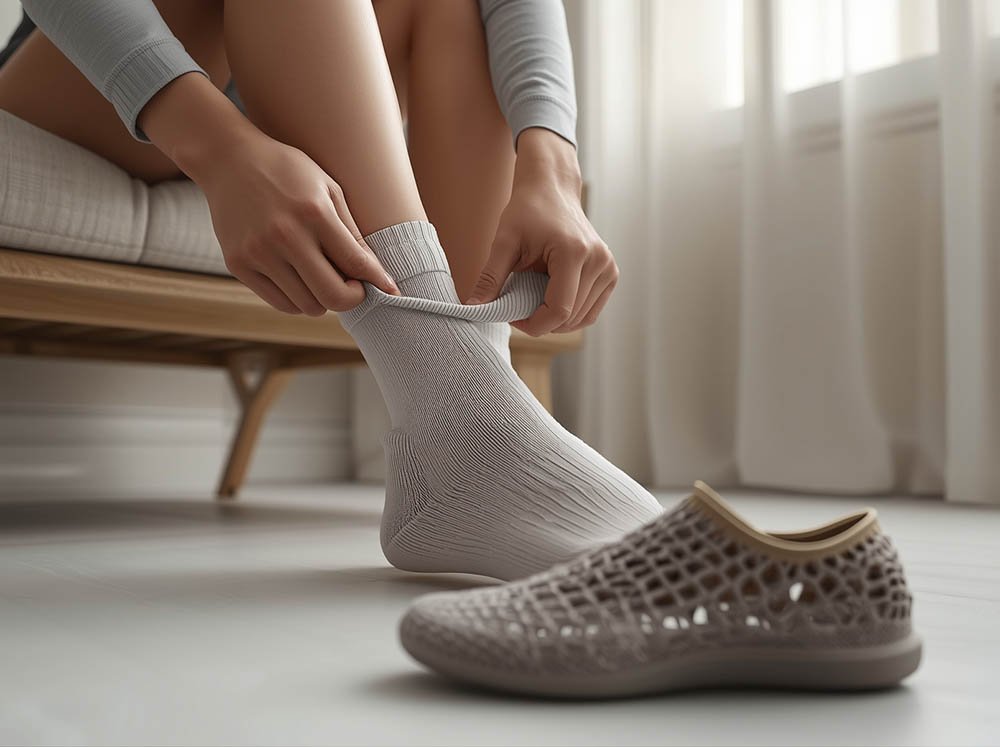
wearing socks with 3D printed shoes to prevent blisters and friction

When 3D Printed Shoes DON’T Cause Blisters

Blisters are not inevitable.

You’re unlikely to have issues when:

  • The fit is accurate (no slipping or tight spots)
  • You follow a gradual break-in period
  • You wear moisture-wicking socks
  • The design has smoother or more refined lattice surfaces

Once adapted, many users experience stable, low-friction comfort.


Common Problem Areas and Limitations

Heel Slippage and Rubbing

Some designs lack a structured heel.

Result:

  • Heel movement during walking
  • Repeated friction at the back of the foot

This is one of the most common blister locations.


Uneven Pressure Points

Lattice density is not always uniform.

This can create:

  • Harder contact zones
  • Uneven pressure distribution

Over time, these areas become friction points.


Limited Cushioning in Some Designs

Some models prioritize structure over softness.

Effects:

  • Less shock absorption
  • More direct pressure on the foot

This increases sensitivity to friction.


Not Ideal for Sensitive Skin Users

If your skin is prone to irritation:

  • Even light friction can cause discomfort
  • Sockless use becomes more risky

Careful selection and gradual use are important here.


How to Prevent Blisters in 3D Printed Shoes

Start With Short Wear Sessions

  • Begin with 30–60 minutes
  • Increase gradually over several days

This reduces early friction stress.


Wear the Right Socks

Socks act as a friction barrier.

Best options:

  • Moisture-wicking materials (synthetic blends or merino wool)
  • Light or moderate cushioning depending on fit

Avoid cotton—it traps moisture and increases friction.


Check Fit Before Extended Use

Watch for:

  • Heel slipping
  • Tight pressure points
  • Uneven internal contact

Fix these early before longer wear.


Use Anti-Friction Solutions

Helpful during break-in:

  • Anti-chafing balms
  • Blister prevention tape
  • Foot powder for moisture control

These reduce friction where it matters most.


Choose the Right Shoe Design

Not all lattice shoes behave the same.

Look for:

  • Smoother internal surfaces
  • Balanced flexibility (not overly rigid)
  • Designs focused on comfort and fit

Highly open or aggressive lattices increase friction risk.


Are 3D Printed Shoes Worse Than Regular Shoes for Blisters?

Comparison With Traditional Foam Shoes

Traditional shoes:

  • Soft foam adapts quickly
  • Cushions and reduces direct friction

3D printed shoes:

  • Direct structural contact with the foot
  • Firmer initial feel

Result:

  • Higher blister risk early on
  • Similar comfort after break-in in well-designed pairs

Long-Term Comfort Differences

After adaptation:

  • Pressure becomes more evenly distributed
  • Friction decreases significantly

At this stage, blister risk is low.


Situations Where Each Performs Better

3D printed shoes:

  • Casual use
  • Short to moderate walking
  • Dry environments

Traditional shoes:

  • High-impact activity
  • Long-distance walking or running
  • Situations needing maximum cushioning

Final Verdict — Should You Be Concerned About Blisters?

3D printed shoes can cause blisters, but it’s not inherent to the design.

Be cautious if:

  • You plan long wear immediately
  • You go sockless for extended periods
  • The fit isn’t precise

You’ll likely avoid issues if:

  • You break them in gradually
  • Use proper socks
  • Choose a well-designed model

In most cases, blister problems are temporary and preventable with simple adjustments.


FAQ

Do 3D printed shoes cause more blisters than regular sneakers?

They can during the break-in phase, but the difference becomes minimal with proper fit and usage.

Can you wear 3D printed shoes without socks safely?

Yes, for short periods or with smoother designs. Longer use increases friction risk.

How long does it take to break in 3D printed shoes?

Usually a few days to a week of gradual wear.

Why do lattice shoes feel rough on the skin?

Because the structure creates direct contact points your foot needs time to adapt to.

Are 3D printed shoes good for long walks?

Some are, but many are better suited for shorter or casual use unless designed for extended wear.

What socks work best with 3D printed shoes?

Moisture-wicking synthetic or wool blends that reduce friction and manage sweat.

How do I stop heel rubbing in 3D printed shoes?

Improve fit, wear proper socks, and use anti-friction products during the break-in phase.
TAGGED:3D printed footwear problems3D printed shoe comfort3D printed shoe fit3D Printed Shoesblister prevention shoesbreathable lattice shoesdo 3D printed shoes cause blistersfootwear irritation causesfriction lattice shoeslattice footwearlattice shoes blistersshoe break in periodshoe friction issuessockless 3D printed shoesTPU shoes
Share This Article
Facebook Twitter Pinterest Whatsapp Whatsapp LinkedIn Reddit Telegram Email Copy Link Print

Launching something like this?

If you're working on a product, platform, or business, I design fast, SEO-structured WordPress websites built for real results..

Start Your Project
100+ websites built • 15+ years experience

Stay Up To Date!

Sign up for 3DShoes.com's mailing list where you will stay up-to-date with latest trends, drops, and more.

loader

Website Help

Need a website for your project?

I build clean, fast, SEO-structured WordPress websites for real business results.

Start Your Project
100+ websites built • 15+ years experience

Trending

Top 10 best 3D-printed shoes of 2025 featuring futuristic lattice-sole sneakers for performance and lifestyle wear
Top 10 Best 3D-Printed Shoes of 2025 — Performance, Fashion & Value
December 27, 2025
A close-up of a modern 3D printer creating a small figurine, representing digital manufacturing and copyright issues.
3D Printing and Copyright: When Does Making a Replica Become a Crime?
November 9, 2025
Syntilay Pulse Podz
PulsePodz Review — Is Syntilay’s 3D-Printed Recovery Slide Worth $149?
January 19, 2026
Skylrk Earth Bender shoe. Courtesy
Justin Bieber x Zellerfeld Reveal the Earth Bender — A 3D-Printed, Soccer-Inspired Shoe for SKYLRK
December 6, 2025

3D Printed Shoes →

3D Printing Companies →

Topics

  • Innovation
  • Design
  • News
  • Guides
  • Products
Follow 3DShoes on LinkedIn

Affiliate links on 3DShoes may earn us a commission. Learn more.

News

Inside Nike Air Works: The 3D-Printed Air Max Program Explained

Nike Air Works

Introduction Nike is pushing deeper into the future of footwear—and in 2026, that future is clearly 3D printed. With the launch of Nike Air Works, the brand moves beyond traditional…

March 28, 2026 News

Your may also like!

Nike’s Air Max 1000.2 brings the 3D printed Air Max into its next chapter — image: Nike
News

Nike Releases 3D Printed Air Max 1000.2 With Zellerfeld

R_Shoes May 6, 2026
Person walking on a city sidewalk wearing 3D printed lattice shoes during daily use
Guides

Can You Walk All Day in 3D Printed Shoes?

R_Shoes April 12, 2026
Vivobarefoot Tabi Gen 02 custom fit 3D printed sandal. Image courtesy of Vivobarefoot.
News

Vivobarefoot Launches Custom Fit 3D Printed Tabi Gen 02 Sandals

R_Shoes May 3, 2026
3D printed shoe with lattice midsole next to a lightweight foam sneaker showing weight and structure difference
Guides

Why Are 3D Printed Shoes Heavy? (What Actually Affects Their Weight)

R_Shoes April 12, 2026

NEWSLETTER

Stay Updated on 3D Footwear Innovation

Get the latest insights, breakthroughs, and industry updates delivered to your inbox.

loader

No spam. Just relevant industry updates.

3D Shoes

3DShoes tracks the evolution of 3D-printed footwear—covering design, technology, and manufacturing to help make sense of where the industry is heading.

Quick Links

  • 3D Printed Shoes
  • 3D Companies
  • About
  • STL Files
  • Contact

Legal

  • Privacy Policy
  • Cookie Policy (EU)
  • Disclaimer
  • Terms & Conditions

Socials

Our website stores cookies on your computer. They allow us to remember you and help personalize your experience with our site. Read our privacy policy for more information.

© 2026 3DShoes – All Rights Reserved. Hosted & Developed by PixelCrafted.Dev.

Manage Consent
To provide the best experiences, we use technologies like cookies to store and/or access device information. Consenting to these technologies will allow us to process data such as browsing behavior or unique IDs on this site. Not consenting or withdrawing consent, may adversely affect certain features and functions.
Functional Always active
The technical storage or access is strictly necessary for the legitimate purpose of enabling the use of a specific service explicitly requested by the subscriber or user, or for the sole purpose of carrying out the transmission of a communication over an electronic communications network.
Preferences
The technical storage or access is necessary for the legitimate purpose of storing preferences that are not requested by the subscriber or user.
Statistics
The technical storage or access that is used exclusively for statistical purposes. The technical storage or access that is used exclusively for anonymous statistical purposes. Without a subpoena, voluntary compliance on the part of your Internet Service Provider, or additional records from a third party, information stored or retrieved for this purpose alone cannot usually be used to identify you.
Marketing
The technical storage or access is required to create user profiles to send advertising, or to track the user on a website or across several websites for similar marketing purposes.
  • Manage options
  • Manage services
  • Manage {vendor_count} vendors
  • Read more about these purposes
View preferences
  • {title}
  • {title}
  • {title}
Stay Up To Date!

Sign up for 3DShoes.com's mailing list where you will stay up-to-date with latest trends, drops, and more.

loader

Zero spam, Unsubscribe at any time.
adbanner
AdBlock Detected
Our site is an advertising supported site. Please whitelist to support our site.
Okay, I'll Whitelist
Welcome Back!

Sign in to your account

Lost your password?