

Introduction
You try on a pair of 3D printed shoes expecting something light and futuristic—but they feel heavier than your usual sneakers.
That difference comes down to how these shoes are built.
Material choice, lattice structure, and construction methods all affect 3D printed shoe weight—not just in grams, but in how that weight feels when you walk.
This guide explains why 3D printed shoes feel heavy, how weight is distributed, and what it means for everyday use.
Quick Answer — Why Are 3D Printed Shoes Heavy?
3D printed shoes feel heavier because they use denser materials and a different structural design compared to traditional footwear.
- TPU and similar materials are heavier than foam
- Lattice structures still contain significant material volume
- There are no air-filled or highly compressible cushioning layers
- Weight is concentrated under the foot
Key takeaway:
3D printed shoes are not always dramatically heavier on a scale, but their structure and stiffness make them feel heavier during movement.
What Affects 3D Printed Shoe Weight?
Material Density — TPU vs Foam
Most traditional sneakers use EVA or PU foam. These materials are lightweight because they contain air pockets that reduce mass and allow compression.
3D printed shoes typically use TPU (thermoplastic polyurethane), which is:
- More solid
- Less compressible
- Structurally stronger
Less air means more material per volume, which increases overall weight. This is one of the main reasons 3D printed shoes feel heavier.
Lattice Shoe Density and Design
Lattice structures are often assumed to be lightweight, but that depends on how they are designed.
A lattice sole includes:
- Repeating beams and nodes
- Reinforced areas for support
- Variable density zones
If the lattice is tightly packed or uses thicker strands, the total material increases quickly. Many designs prioritize durability and stability, which leads to higher lattice density and added weight.
Single-Piece Construction
Many 3D printed shoes are produced as a single unit.
Traditional shoes separate:
- Upper
- Midsole
- Outsole
Each layer is optimized individually for weight, flexibility, and cushioning.
In contrast, a one-piece printed structure uses more material to achieve strength and support across the entire shoe. This reduces opportunities to remove unnecessary mass.
Limited Weight-Reduction Technologies
Conventional footwear often includes:
- Air cushioning systems
- Lightweight foam compounds
- Gel inserts
These features reduce weight while maintaining comfort.
3D printed shoes rely more on geometry than embedded technologies. Without these weight-saving elements, they tend to be heavier overall.
Why 3D Printed Shoes Feel Heavier Than They Actually Are
Weight Distribution Underfoot
In 3D printed shoes, most of the mass sits in the midsole and outsole.
This creates a “bottom-heavy” feel. Unlike foam shoes that spread weight and compress evenly, printed shoes keep more material directly under the foot, making each step feel more substantial.
Lower Compression and Energy Return
Foam compresses and rebounds during movement, helping reduce the effort required to walk or run.
TPU lattice structures compress less. As a result:
- Less energy is returned with each step
- Your muscles do more work
- Movement feels slower and heavier
This is a key reason why printed shoes can feel heavier even when the weight difference is small.
Stiffness and Flexibility
3D printed soles are generally stiffer than foam-based soles.
Reduced flexibility means:
- The shoe doesn’t move as easily with your foot
- Your stride requires more effort
- Fatigue builds faster
This added effort contributes to the perception of extra weight.
Real-World Usage — Do They Feel Heavy Over Time?
Walking and Daily Wear
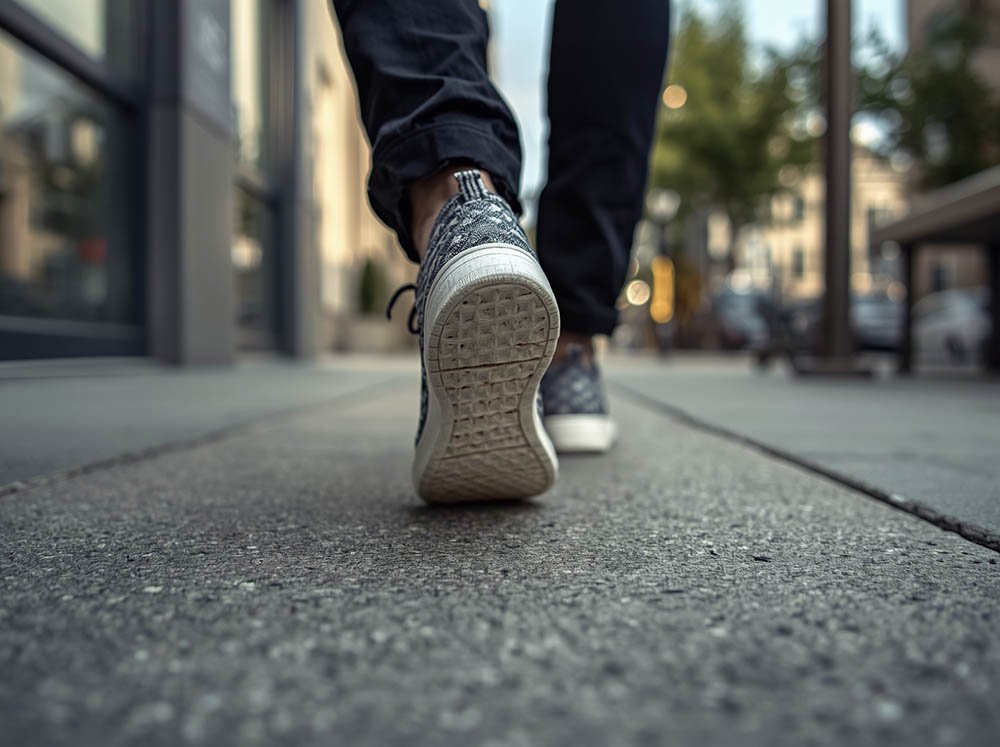
For casual use, the weight is noticeable at first.
After a short break-in period:
- Some users adapt to the firmer feel
- The shoes feel stable but less “light” compared to foam sneakers
They work well for short walks and everyday errands but do not feel as effortless.
Long Hours on Your Feet
Over extended wear, the difference becomes more clear.
You may notice:
- Increased foot fatigue
- Heavier step sensation after several hours
- More impact felt on hard surfaces
This makes them less ideal for all-day standing or long-distance walking.
Running or Athletic Use
For performance activities, weight and stiffness become limiting factors.
- Slower transitions between steps
- Reduced efficiency
- Higher energy demand
3D printed shoes are generally not designed for high-impact sports or running.
When Heavier 3D Printed Shoes Are Beneficial
Stability and Support
The added density provides a stable base.
This can be useful for:
- Controlled movement
- Standing tasks
- Situations where balance matters
Durability
TPU and similar materials resist wear better than foam.
- Less compression over time
- More consistent structure
- Longer usable lifespan
Heavier construction often correlates with improved durability.
Ground Feel and Control
The firmer sole creates a more direct connection to the ground.
Some users prefer this for:
- Casual wear
- Design-focused footwear
- Situations where responsiveness matters more than cushioning
Problems and Limitations of Heavier Printed Shoes
Faster Fatigue
Reduced energy return and increased stiffness can lead to:
- Tired feet
- Higher effort during walking
Less Cushioning for Impact
Without soft foam layers:
- Impact forces are less absorbed
- Hard surfaces feel more noticeable
Heat Retention
Denser materials tend to trap heat more than breathable foam.
This can make the shoes feel warmer, especially in hot conditions.
Limited Performance Use
Because of their weight and structure, they are not ideal for:
- Running
- Sports requiring agility
- High-impact training
How to Choose Lighter 3D Printed Shoes
Look for Lower-Density Lattice Designs
More open lattice patterns use less material and reduce overall weight.
Choose Softer or Modified Materials
Some models use TPU blends that are:
- More flexible
- Slightly lighter
- Better at absorbing impact
Consider Hybrid Designs
Shoes with a 3D printed midsole and a traditional upper reduce total weight while keeping structural benefits.
Match the Shoe to Your Use Case
Weight matters depending on how the shoe is used:
- Casual wear → weight is less critical
- Long-distance walking → lighter options are better
- Performance use → traditional running shoes remain more efficient
Final Verdict — Are 3D Printed Shoes Really Heavier?
3D printed shoes often feel heavier because of how they are designed, not just how much they weigh.
- Dense materials increase mass
- Lattice shoe density affects structure and feel
- Reduced compression makes each step require more effort
Bottom line:
They are not necessarily much heavier than traditional shoes, but the combination of density, stiffness, and weight distribution creates a noticeably heavier on-foot experience.
FAQ
They can be slightly heavier, but the main difference is how the weight is felt during movement.
Because the lattice still contains a large amount of material, especially in high-density designs.
In many cases, yes. Denser materials tend to resist wear and maintain structure over time.
They can be used for walking, but may cause more fatigue than lightweight foam shoes.
Material improvements and better lattice optimization are already reducing weight in newer designs.
Yes. Heavier shoes with less cushioning can increase fatigue and reduce overall comfort during extended use.