

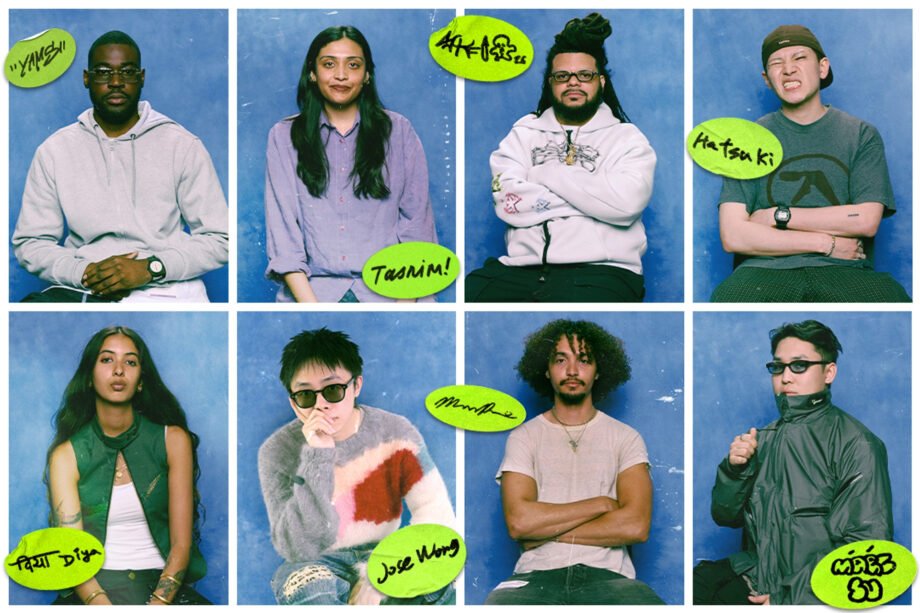
Nike is pushing the 3D printed Air Max further into its design pipeline with the debut of its first Air Works designer class. But is this the start of a real development system for 3D printed Nike shoes, or still a controlled creative experiment?
The update points to a current shift: Nike is using Air Max, outside designers, internal labs, and Zellerfeld’s 3D printing platform to explore how custom Air Max sneakers could be developed around local identity, digital design, and limited-run production. Nike says the first Air Works program runs from May 11 to May 14, 2026, at its Beaverton, Oregon campus.
Nike Air Works Brings Global Designers Into the Air Max Pipeline
Nike has introduced the first class of designers for Nike Air Works, an inaugural research, development, and design program built around Air Max. The group includes individual designers from Beijing, London, Los Angeles, Mumbai, New York, Paris, Shanghai, and Tokyo.
The program is not simply a sneaker customization contest. Nike is positioning Air Works as a way to bring outside creative perspectives into its own footwear development environment.
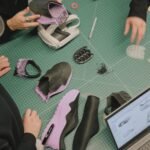
According to Nike, the selected designers will work with Nike mentors, designers, and engineers to develop distinctive 3D-printed Air Max styles in partnership with Zellerfeld. Their work will also be informed by access to Nike spaces such as the Air Manufacturing Innovation facility, Department of Nike Archives, Nike Sport Research Lab, Blue Ribbon Studio, and Bowerman Footwear Lab.
That matters because Air Max is not a neutral platform. It is one of Nike’s most visible product families, with a long design history and strong cultural weight. Placing 3D printing inside that lineage gives the program more significance than a standalone concept shoe.
How the 3D Printed Air Max Program Works
The Air Works structure is built around eight designers, eight cities, and a limited-run output model. Nike says each designer will develop a 3D printed Air Max expression that reflects their individuality and community.
The program combines three layers:
- Nike’s internal design and research system
- Outside designers with local cultural references
- Zellerfeld’s 3D printed footwear production platform
The result is expected to be limited-run, friends-and-family versions of each shoe. Community activations are planned throughout the coming year, leading into Air Max Day 2027.
That timeline is important. Nike is not presenting this as a same-week retail launch or a broad consumer release. It is closer to a controlled development cycle where the output can be tested culturally, visually, and technically before wider implications become clear.
For readers following 3D printed Nike shoes, the key point is that Nike is no longer only showing what 3D printing can do as an object. It is testing how 3D printing can fit into a repeatable creative pipeline.
Zellerfeld Air Max Partnership Adds a Production Layer
Zellerfeld’s role gives the project a stronger manufacturing angle. The company has become one of the most visible names in fully 3D printed footwear, with a platform built around digitally produced shoes and creator-led designs.
That makes the Zellerfeld Air Max connection more than a supplier detail. Nike is pairing one of its most recognizable franchises with a company that specializes in translating digital footwear geometry into wearable printed products.
This does not mean Nike has solved large-scale 3D printed sneaker manufacturing. It means Nike is using Zellerfeld to test a different development path:
- fewer traditional tooling constraints
- faster design variation
- more direct designer-to-product translation
- limited-run production without the same upfront mold investment
The practical clarification is simple: 3D printing can make experimentation easier, but it does not automatically make every shoe scalable, affordable, durable, or comfortable at mass-market volume.
What This Means for 3D Printed Footwear
The Air Works update suggests that 3D printed footwear is moving from object novelty toward platform experimentation.
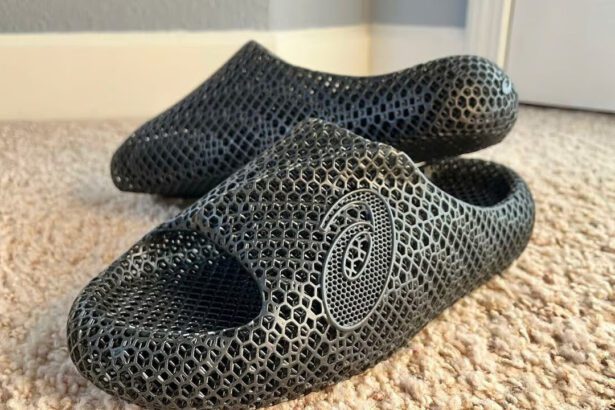
For years, many 3D printed shoe stories focused on the visible object: a lattice midsole, a futuristic silhouette, or a rare concept model. Nike’s Air Works program shifts the emphasis toward process.
The question is not only, “Can Nike make a 3D printed Air Max?” It is now, “Can Nike use 3D printing to develop multiple culturally specific Air Max expressions faster and with fewer conventional production barriers?”
That is a more important industry signal.
If this model works, 3D printing could become useful for limited regional drops, designer collaborations, community-led editions, and faster prototype-to-product cycles. It could allow major footwear brands to test smaller creative runs without committing immediately to full-scale manufacturing.
But the ceiling is still unclear. A limited friends-and-family run is not the same as a global retail launch. A strong visual concept is not the same as a proven everyday product.
A designer program can validate cultural interest, but performance, fit consistency, production cost, and long-term wear still need broader proof.
The realistic takeaway: Nike is not replacing traditional Air Max production with 3D printing. It is using 3D printing as a controlled innovation channel inside the Air Max ecosystem.
The Reality Check: What Nike Has Not Solved Yet
The Air Works program is meaningful, but it does not answer every commercial question around Nike 3D printed footwear.
First, the program appears limited by design. Nike says each designer will launch a limited-run, friends-and-family version of their shoe, which means this is not yet a conventional consumer release.
Second, the program does not confirm mass production economics. 3D printing can reduce tooling friction, but printed footwear still has to compete with mature sneaker supply chains optimized for cost, speed, distribution, and margin.
Third, the comfort and durability story remains product-specific. A printed shoe can look advanced, but the real test is how the material handles repeated flexing, heat, moisture, abrasion, and daily use.
Fourth, custom design does not always mean custom fit. Nike’s current Air Works language emphasizes designer expression and community influence. It does not necessarily mean each pair is personalized to an individual wearer’s foot scan.
That distinction matters. Custom Air Max sneakers can mean culturally customized, visually customized, structurally customized, or fit-customized. Those are different levels of personalization.


Why This Is Bigger Than Another Sneaker Collaboration
Nike has a long history of using collaborations to create cultural momentum. What makes Air Works different is the way it connects collaboration to a new production method.
Traditional sneaker collaborations often depend on colorways, materials, storytelling, and limited distribution. Air Works still includes those ingredients, but 3D printing adds another variable: the ability to alter the physical structure of the shoe through digital design.
That could eventually change what a collaboration is allowed to become.
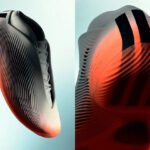
Instead of applying a new visual identity to an existing model, designers could influence the geometry, surface structure, density zones, ventilation, and sculptural language of the shoe itself. In practical terms, the product can move beyond “same shoe, new color” toward “same platform, new physical expression.”
That is where the program becomes relevant to the wider footwear industry. If Nike can use 3D printing to generate distinct Air Max expressions from multiple designers without relying on a traditional tooling cycle for each one, it gives the brand a more flexible development model.
Still, flexibility is not the same as readiness. The next proof point will be whether these shoes feel like wearable products, not just creative artifacts.
What to Watch Next
The most important next signal will be the actual Air Works shoes. Design renders and program announcements can build interest, but the industry will learn more when the limited-run pairs appear in physical form.
Watch for four developments:
- whether each designer’s shoe uses meaningfully different printed geometry
- whether Nike and Zellerfeld discuss fit, comfort, or material performance
- whether any Air Works model moves beyond friends-and-family distribution
- whether Air Works becomes a recurring pipeline after Air Max Day 2027
The bigger question is whether Nike uses this program as a showcase or as a foundation. A showcase would produce interesting limited shoes. A foundation could help define how major brands use 3D printing for localized design, limited manufacturing, and future custom footwear programs.
For now, Air Works is a serious development to watch because it brings together Nike’s Air Max heritage, Zellerfeld’s 3D printing system, and a global designer class inside one controlled program.
It does not prove that 3D printed sneakers are ready for mass adoption. It does show that Nike is testing where they may fit next.
Mini FAQ
Nike Air Works is a research, development, and design program built around Air Max. Its first designer class includes creators from eight global cities working with Nike teams and Zellerfeld on 3D-printed Air Max styles.
Nike has described the Air Works shoes as limited-run, friends-and-family versions. That means this is not yet a broad retail release.
Zellerfeld provides the 3D printed footwear production layer. Its role helps Nike test digitally produced Air Max designs without relying on the same traditional tooling process used for mass-market sneakers.