Quick Answer — Fully 3D Printed Shoes vs Hybrid
Fully 3D printed shoes focus on flexibility, seamless construction, and material-driven performance. Hybrid shoes combine a printed component—usually the midsole—with traditional materials to improve structure and long-term reliability.
Simple breakdown:
- Fully printed shoes: softer, more adaptive, more experimental
- Hybrid shoes: more stable, more durable, more predictable
Use-based verdict:
- Casual wear: both are suitable
- All-day use: hybrid is usually the safer option
- Innovation-focused use: fully printed stands out
What Fully 3D Printed Shoes Actually Are
How full-print construction works
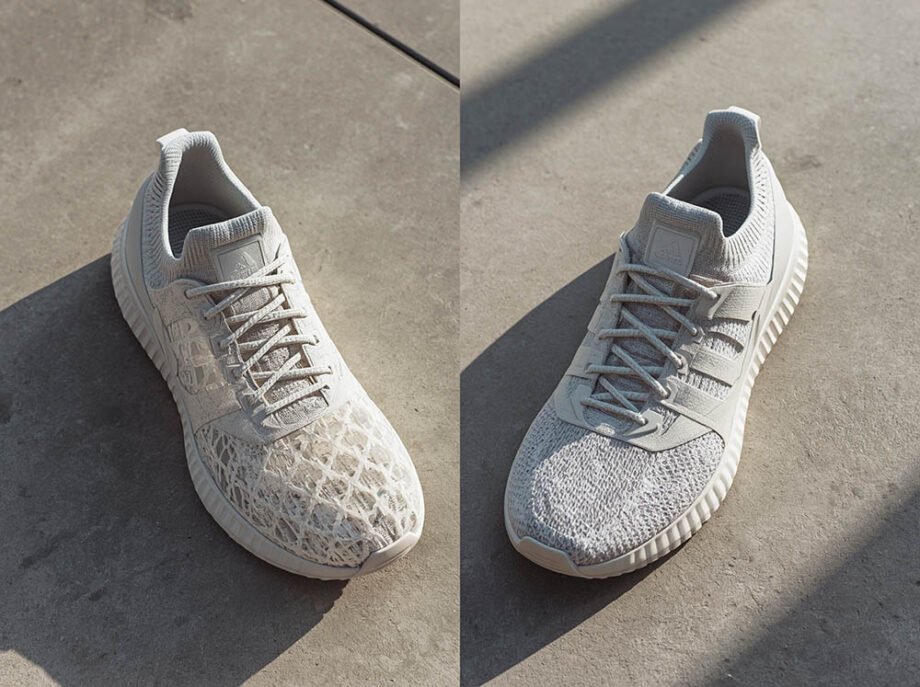
Fully printed shoes are built as a single integrated structure using lattice geometry. Instead of layered components like foam, glue, and fabric, the entire shoe is produced through additive manufacturing.
Most designs use TPU (thermoplastic polyurethane) arranged in a lattice pattern. This creates:
- Flexible zones that compress and rebound under load
- Open structures that allow airflow
- Continuous geometry from outsole to upper
There are no stitched seams or glued layers. This results in consistent material behavior across the entire shoe, with no weak points from bonding or assembly.
Why full-print designs are being developed
Full-print construction introduces capabilities not possible with traditional methods:
- Targeted cushioning: lattice density can be tuned for different pressure zones
- Reduced waste: material is placed only where needed
- On-demand production: shoes can be produced without large inventories
The broader goal is footwear that adapts to the wearer through geometry rather than added components.
What Hybrid 3D Printed Shoes Are
Printed midsole + traditional upper explained
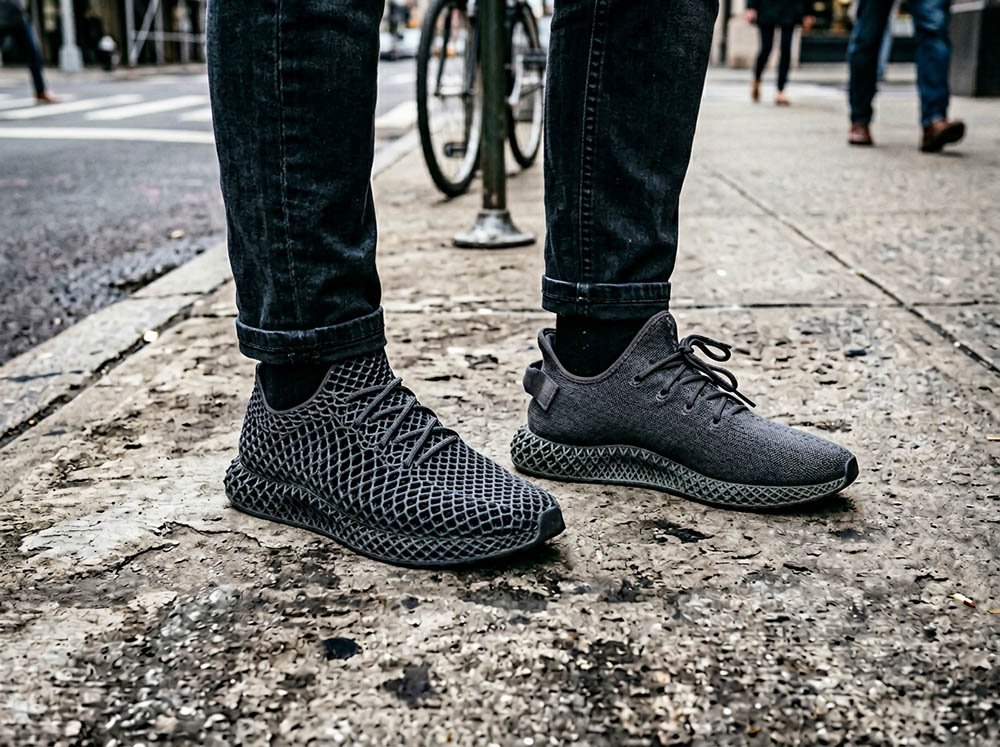
Hybrid shoes combine a 3D printed midsole with conventional materials:
- Upper: knit, mesh, or leather for fit and structure
- Outsole: rubber for traction and wear resistance
- Midsole: lattice structure replacing foam
This approach keeps the familiar structure of traditional shoes while introducing printed cushioning.
Why hybrid designs are more common
Hybrid construction offers a more controlled performance profile:
- Consistent fit: traditional uppers provide reliable foot lockdown
- Durability: rubber outsoles handle abrasion better than printed surfaces
- Manufacturing stability: easier to scale with existing production systems
For most users, hybrid shoes feel more familiar while still benefiting from lattice cushioning.
Key Differences That Actually Matter
Lattice vs foam feel underfoot
The difference between lattice and foam is fundamental:
- Lattice: compresses in multiple directions, rebounds elastically
- Foam: compresses vertically, absorbs impact more uniformly
In practice:
- Lattice feels springy, responsive, and slightly firmer under load
- Foam feels softer, more dampened, and more predictable
This directly affects how energy is returned during walking or standing.
Structure and support
- Fully printed shoes: rely entirely on geometry for support
- Hybrid shoes: combine structured uppers with supportive midsoles
Result:
- Fully printed → more freedom, less guidance
- Hybrid → more control, especially during longer use
Breathability and heat
- Lattice soles allow airflow from below
- Hybrid uppers provide ventilation around the foot
Fully printed shoes can still retain heat where lattice density is higher or where airflow is restricted around the upper portion of the foot.
Fit and adaptability
- Fully printed shoes flex as a single unit, adapting to foot shape
- Hybrid shoes use uppers to lock the foot in place
Tradeoff:
- Fully printed: fewer pressure points, but less secure fit
- Hybrid: better lockdown, but may create localized pressure
Real-World Use — Which Performs Better Day to Day
Walking and casual daily wear
For everyday walking:
- Fully printed shoes feel softer and more forgiving at first
- Hybrid shoes provide a more stable and guided stride
Over longer periods, hybrid shoes tend to maintain comfort more consistently due to better support alignment.
Standing for long hours
For extended standing:
- Fully printed shoes may feel overly flexible, leading to fatigue
- Hybrid shoes distribute pressure more evenly and reduce strain
Structure plays a key role here. Without it, muscles work harder to stabilize the foot.
Gym and active use
Under dynamic movement:
- Fully printed shoes lack lateral stability
- Hybrid shoes handle impact and side-to-side motion better
This is especially noticeable during weight training or quick directional changes.
Hot weather conditions
- Fully printed shoes allow airflow through the sole but may trap heat around the foot
- Hybrid shoes with breathable uppers provide more balanced ventilation
Effective cooling depends on airflow around the entire foot, not just underneath it.
Durability and Lifespan Comparison
Fully printed shoes lifespan expectations
Lattice structures wear through repeated compression:
- Stress concentrates in high-load zones
- Thin lattice segments can weaken over time
- Performance may degrade before visible damage appears
They perform best under moderate, consistent use rather than high-impact conditions.
Hybrid shoes durability
Hybrid shoes distribute wear across different materials:
- Rubber outsoles resist abrasion
- Fabric uppers handle flex cycles
- Printed midsoles maintain shape longer than traditional foam in some cases
This multi-material approach improves overall lifespan.
Which one lasts longer in real use
- Casual use: similar lifespan
- Daily heavy use: hybrid shoes last longer
- High-impact use: hybrid performs significantly better
Fully printed designs are improving, but hybrid construction remains more durable in demanding conditions.
Common Problems and Limitations
Issues with fully 3D printed shoes
- Limited structural support for certain foot types
- Faster degradation in high-pressure areas
- Fit can feel too loose or overly flexible
They may also require an adjustment period due to their different feel.
Issues with hybrid shoes
- Less adaptive than full-print designs
- Potential separation between materials over time
- Still constrained by traditional sizing
They prioritize consistency over adaptability.
Situations where each type fails
- Fully printed shoes struggle in high-impact or stability-demanding activities
- Hybrid shoes fall short when maximum flexibility or customization is needed
Matching the shoe to the intended use is critical for performance.
Comfort Comparison — Which Feels Better?
Initial comfort vs long-term comfort
- Fully printed shoes often feel comfortable immediately due to flexibility
- Hybrid shoes maintain comfort better over extended use
Lattice structures can lose responsiveness faster when subjected to continuous stress.
Who benefits more from each type
- Flat feet / need for support: hybrid shoes are more suitable
- High arches / preference for flexibility: fully printed shoes may feel better
- Heavier users: hybrid shoes provide more consistent support
Comfort depends on how much structure and stability the foot requires.
Which One Should You Choose? (Practical Advice)
Choose fully printed shoes if:
- You want a flexible, adaptive feel
- You are interested in material innovation
- You plan to use them for casual, low-impact activities
Choose hybrid shoes if:
- You need structure for long periods of wear
- You walk, stand, or move frequently
- You prefer a stable, predictable feel
If you’re unsure, start here
Hybrid shoes are the safer starting point. They balance innovation with proven performance, making them easier to adapt to without sacrificing comfort or durability.
FAQ
They can feel softer at first, but hybrid shoes typically provide better long-term comfort due to added structure.
In fully printed shoes, yes. In hybrid designs, lattice midsoles replace foam while keeping traditional uppers and outsoles.
Hybrid shoes with printed midsoles generally last longer because wear is distributed across multiple materials.
Yes. Their structure and durability make them more suitable for extended daily use.
They can feel less stable, especially during lateral movement or long periods of standing.
They are not ideal for high-impact training due to limited structure and durability under stress.
For most users, hybrid shoes offer a better balance of comfort, durability, and support. Fully printed shoes are better suited for casual use and exploring new footwear technology.