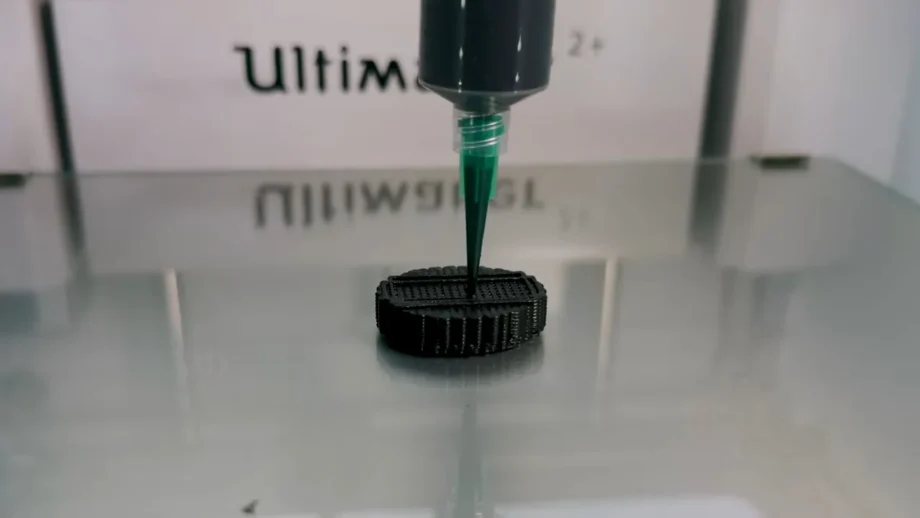
In today’s rapidly evolving technological landscape, the quest for sustainable and eco-friendly solutions has never been more pressing. Among the groundbreaking innovations is the development of 3D-printed fungal fuel cells—biodegradable power sources that could revolutionize various industries, including footwear. Let’s delve into this fascinating technology and explore its potential applications in creating sustainable, 3D-printed shoes.
Understanding 3D-Printed Fungal Fuel Cells
What Are Fungal Fuel Cells?
Fungal fuel cells are a type of microbial fuel cell that utilize fungi to generate electricity. Unlike traditional batteries that rely on chemical reactions involving metals and other non-renewable resources, fungal fuel cells harness the metabolic processes of fungi to produce electrical energy. This approach offers a renewable and biodegradable alternative to conventional power sources.
The Role of 3D Printing in Their Development
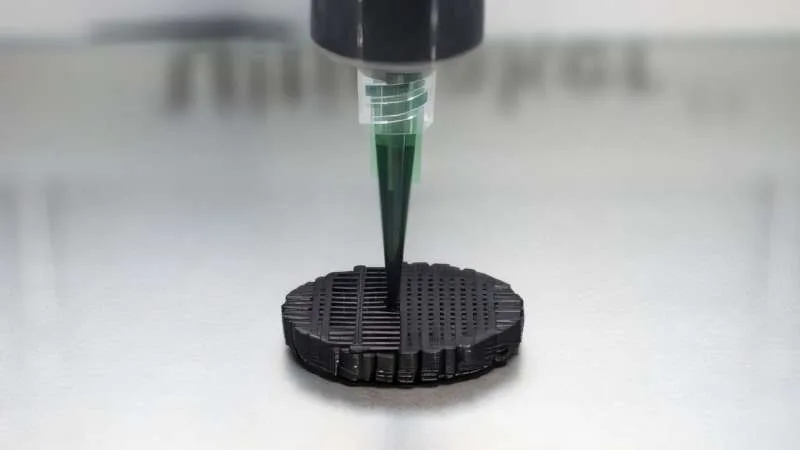
The integration of 3D printing technology has been pivotal in advancing fungal fuel cells. Researchers employ 3D printing to create intricate, biodegradable structures that house the fungal cultures, optimizing the efficiency and scalability of these bio-batteries. This method allows for precise control over the design and composition of the fuel cells, enhancing their performance and adaptability.
The Science Behind Fungal Fuel Cells
How Do They Generate Electricity?
Fungal fuel cells operate by exploiting the natural metabolic activities of fungi. As fungi metabolize organic substrates, they release electrons as byproducts. These electrons are captured by electrodes within the fuel cell, creating an electric current. The process is akin to how plants and other organisms convert nutrients into energy, but here, the energy is harnessed as electricity.
Advantages Over Traditional Batteries
One of the most significant benefits of fungal fuel cells is their biodegradability. Traditional batteries often contain hazardous materials that pose environmental risks upon disposal. In contrast, fungal fuel cells are composed of organic, biodegradable materials, reducing environmental impact. Additionally, they can be produced using renewable resources, making them a more sustainable option.
Applications of Fungal Fuel Cells
Powering Low-Energy Devices
Currently, fungal fuel cells are best suited for powering low-energy devices, such as environmental sensors and small electronic gadgets. Their ability to generate a modest yet steady supply of electricity makes them ideal for applications where traditional power sources are impractical or environmentally detrimental.
Potential in Remote and Off-Grid Locations
The biodegradability and sustainability of fungal fuel cells make them particularly advantageous in remote or off-grid locations. They can be deployed in areas lacking conventional power infrastructure, providing a reliable energy source without the environmental concerns associated with traditional batteries.
Intersection with the 3D-Printed Footwear Industry
Current Trends in 3D-Printed Footwear
The footwear industry has witnessed a surge in the adoption of 3D printing technology. Companies are leveraging 3D printing to create customized, on-demand shoes that reduce waste and enhance consumer satisfaction. This approach allows for intricate designs and the use of innovative materials, aligning with the growing demand for sustainable fashion.
Integrating Biodegradable Power Sources into Footwear
The concept of embedding fungal fuel cells into 3D-printed shoes presents an exciting frontier. Imagine footwear that not only biodegrades at the end of its lifecycle but also generates power to fuel embedded electronics, such as fitness trackers or LED lights. This integration could lead to self-sustaining smart shoes, enhancing functionality while maintaining environmental responsibility.
Case Studies: Innovations in Sustainable Footwear

OXMAN’s Biodegradable 3D-Printed Shoes
OXMAN, a visionary design lab, has unveiled 100% biodegradable, 3D-printed shoes made from polyhydroxyalkanoates (PHAs). These shoes eliminate the need for petrochemicals and complex assembly processes, showcasing a commitment to sustainable design.

Vivobarefoot’s Collaboration with Balena
Vivobarefoot, in partnership with materials science company Balena, has developed VivoBiome—a 3D-printed, biodegradable shoe. This collaboration aims to address environmental concerns in the footwear industry by creating compostable and recyclable footwear solutions.

Challenges and Considerations
Scalability and Commercial Viability
While the integration of fungal fuel cells into footwear is promising, challenges remain in scaling the technology for mass production. Ensuring consistent performance, durability, and consumer acceptance are critical factors that need to be addressed to achieve commercial viability.
Ensuring User Safety and Comfort
Incorporating living organisms into wearable technology necessitates rigorous safety assessments. It’s essential to ensure that the presence of fungal fuel cells does not compromise the comfort, hygiene, or health of the wearer. Designs must prioritize user safety while delivering the intended functionality.
The Future of Biodegradable Power in Wearable Technology
Advancements in Material Science
Ongoing research in material science is poised to enhance the efficiency and applicability of fungal fuel cells. Developments in biodegradable materials and 3D printing techniques will play a pivotal role in realizing the potential of this technology in wearable applications.
Potential for Broader Applications
Beyond footwear, the principles of fungal fuel cells could extend to other wearable technologies, offering sustainable power solutions for a range of devices. This innovation opens avenues for eco-friendly electronics that align with the global push towards sustainability.
Conclusion
The convergence of 3D-printed fungal fuel cells and the footwear industry represents a harmonious blend of technology and sustainability. By embracing these innovations, the footwear industry can take significant strides towards reducing environmental impact while offering consumers advanced, eco-friendly products. As research progresses, the dream of self-sustaining, biodegradable smart shoes moves closer to reality, promising a future where fashion and technology walk
FAQs
- What is a fungal fuel cell?
- A fungal fuel cell is a type of microbial fuel cell that uses fungi to generate electricity. The fungi metabolize nutrients, releasing electrons that are captured to produce an electric current. These fuel cells are biodegradable and sustainable, offering a green alternative to traditional batteries.
- How are fungal fuel cells connected to 3D printing?
- 3D printing technology is used to create the structures and electrodes of fungal fuel cells. This allows for precise design, ensuring the fungi thrive and generate electricity efficiently. The use of biodegradable materials enhances the environmental benefits of this technology.
- Can fungal fuel cells be used in 3D-printed footwear?
- Yes, fungal fuel cells can potentially power embedded electronics in 3D-printed shoes, such as fitness trackers or lighting systems. They also align with the sustainable goals of the footwear industry by providing a biodegradable power source.
- What are the benefits of 3D-printed fungal fuel cells in footwear?
- The benefits include eco-friendly power generation, the ability to biodegrade at the end of the product lifecycle, and the potential for self-sustaining smart shoes. This innovation combines sustainability with advanced functionality.
- Are there any current examples of similar technologies in footwear?
- Companies like OXMAN and Vivobarefoot are already using biodegradable materials in 3D-printed shoes. While fungal fuel cells are still emerging, these examples show the industry’s readiness for sustainable, innovative solutions.