

If you’re considering 3D printed shoes for daily use, the real question isn’t just comfort—it’s endurance.
Can they handle hours of walking without causing fatigue, pressure points, or discomfort?
The answer comes down to how these shoes are built and how they behave under continuous impact. The same features that make them feel unique at first can become limitations over a full day. Understanding that difference is key to knowing when they work—and when they don’t.
Quick Answer — Can You Walk All Day in 3D Printed Shoes?
Yes, but only under the right conditions.
- Short walks and casual use: generally comfortable
- Moderate daily wear: possible with the right design and fit
- Full-day walking (6–10+ hours): depends on support, surface, and foot tolerance
The key takeaway: not all 3D printed shoes are designed for long-duration walking. Many prioritize airflow and structure over long-term cushioning.
What Makes 3D Printed Shoes Different for Walking?
Lattice Structure vs Traditional Foam
Most 3D printed shoes rely on a lattice structure instead of solid foam.
- Foam compresses to absorb impact
- Lattice spreads force across a network of small supports
This creates a more responsive feel. Instead of sinking into the shoe, your foot sits on a structured base that pushes back. It feels stable early on, but over time it transfers more impact back into your foot.
Material Behavior (Usually TPU)
Thermoplastic polyurethane (TPU) is the most common material.
- Flexible but resistant to compression
- Maintains its shape under repeated load
- Less adaptive than foam over long wear
Unlike foam, which gradually softens and conforms, TPU remains consistent. That consistency can turn into firmness after hours of walking.
Fit and Customization Potential
Some models are designed for precise fit.
- Better alignment reduces pressure buildup
- Less internal movement means fewer friction points
However, this also means less forgiveness. If sizing is slightly off, discomfort appears faster compared to traditional shoes.
How Comfortable Are They for Long Walking?
First 1–2 Hours — Initial Comfort
This is where 3D printed shoes perform best.
- Even pressure distribution
- Stable and supportive feel
- Noticeable airflow
At this stage, they can feel lighter and more breathable than many traditional shoes.
After 3–5 Hours — Midday Fatigue
As time increases, small differences become more noticeable.
- Less shock absorption compared to foam
- Increased load on heel and forefoot
- Reduced comfort on hard surfaces
The structure doesn’t “give” as much, so your body absorbs more of the impact.
6+ Hours — End-of-Day Reality
For extended wear:
- Pressure builds in key contact areas
- Material firmness becomes more noticeable
- Foot fatigue increases, especially on concrete
Some users can tolerate this, but most will feel more strain compared to cushioned walking shoes.
Real-World Use — What Happens When You Wear Them All Day?
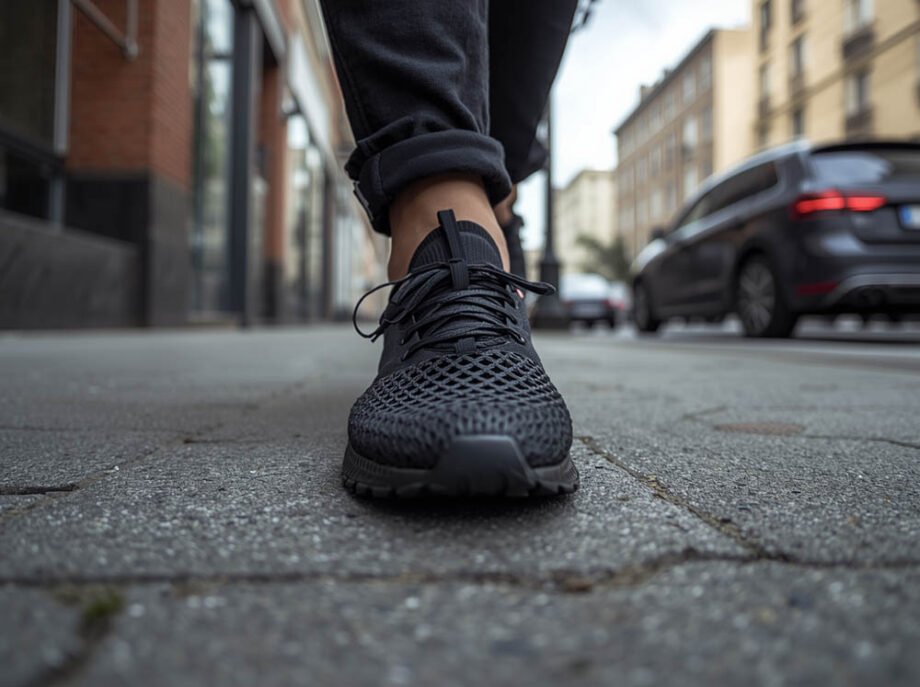
City Walking / Errands
For everyday use:
- Works well for short, broken-up walking
- Comfortable for standing in between movement
- Breathability helps in warm environments
They perform best when walking is not continuous.
Work Use (Retail, Standing Jobs)
For jobs with mixed standing and movement:
- Suitable for part-day wear
- Stable under light activity
However, long periods of standing in one place can create pressure buildup, especially under the heel.
Travel and Long Days on Foot
For full-day travel:
- Not ideal as a primary shoe
- Fatigue builds faster over long distances
They can still be useful as a backup pair, especially when airflow and quick drying matter.
Common Problems When Walking All Day in 3D Printed Shoes
Foot Fatigue and Reduced Cushioning
The main limitation is impact handling.
- Less compression means less shock absorption
- Repeated steps transfer more load to your feet
- Fatigue builds gradually throughout the day
This becomes more noticeable the longer you walk.
Pressure Points and Fit Issues
Because the structure is fixed:
- Small fit issues become amplified
- Pressure concentrates in specific areas
There is less natural adjustment compared to foam-based shoes.
Heat and Material Firmness
Even with open designs:
- Certain zones can still retain heat
- TPU can feel firmer under prolonged pressure
This combination can increase discomfort over time.
Who Can Actually Walk All Day in Them?
Good Fit For:
- Casual users with moderate walking
- People who prefer firm, responsive support
- Short urban use with regular breaks
These users are less likely to experience significant fatigue.
Not Ideal For:
- Heavy walkers (10,000–20,000 steps daily)
- Long shifts on hard surfaces
- People needing soft cushioning or joint support
For these situations, traditional walking shoes remain more reliable.
Tips to Make 3D Printed Shoes Work for All-Day Walking
Rotate With Traditional Shoes
Switching shoes during the day reduces repeated stress on the same areas and helps manage fatigue.
Use Insoles if Needed
Insoles can improve usability by:
- Adding cushioning
- Reducing direct lattice pressure
- Improving overall comfort for longer wear
Choose the Right Model
Design differences matter.
- Thicker lattice = more support
- Hybrid builds = better balance between comfort and structure
Match the Shoe to Your Activity
Use them where they perform best:
- Casual walking → good fit
- Long standing or travel → better alternatives available
3D Printed Shoes vs Regular Walking Shoes
Cushioning and Shock Absorption
- Traditional foam: better impact absorption, less fatigue
- 3D printed lattice: more responsive, less forgiving over time
Breathability and Temperature Control
- 3D printed shoes: better airflow in most cases
- Foam shoes: can retain more heat depending on design
Long-Term Walking Performance
For all-day use:
- Traditional walking shoes provide more consistent comfort
- 3D printed shoes are better suited for shorter or moderate use
Final Verdict — Should You Use 3D Printed Shoes for All-Day Walking?
3D printed shoes are comfortable for short to moderate use and perform well in terms of airflow and stability.
For full-day walking, they are less consistent. The structure and materials do not absorb impact as effectively as traditional shoes, which leads to fatigue over time.
They work best as part of a rotation rather than a single, all-day solution.
FAQ
They can handle moderate distances, but extended walking often leads to fatigue due to lower shock absorption.
The lattice structure transfers more impact back to your feet compared to foam.
No significant break-in period. The feel remains consistent from first use.
They work for light use, but not ideal for long walking days.
They offer better airflow and responsiveness, but foam performs better for long-duration comfort.
They can if used for extended periods without proper support or fit.
Yes. Insoles can add cushioning and reduce pressure, improving long-wear comfort.