The conversation around 3D printed shoes is evolving beyond novelty projects. As commercial brands continue investing in additive manufacturing, independent makers are also pushing the technology forward by experimenting with custom foot scans, multi-material construction, and desktop 3D printers to build footwear tailored to individual users.
One recent example comes from Reddit user u/fontos, who shared a detailed look at a self-designed pair of custom shoes built from a 3D scan of their feet. Rather than presenting the project as a finished product, the creator openly discussed its strengths, shortcomings, and the engineering decisions behind it. That transparency transformed the post into more than a project showcase—it became a practical discussion about the current state of DIY footwear engineering.
A Foot Scan Was Only the Starting Point
Unlike many hobbyist projects, the design process began with a digital model of the wearer’s feet rather than a traditional shoe last.
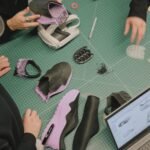
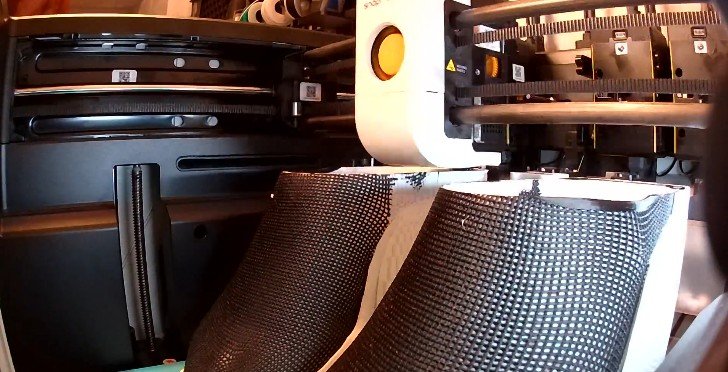
The creator first captured a 3D scan of their feet before modeling the footwear in Blender. The final design was printed on a Snapmaker U1 using four different materials, each selected for a specific purpose:
- Synbotron PEBA 90A for the outer shell
- BIQU MorPhlex for the cushioned sole
- Elegoo PETG-CF for an internal spring plate
- PLA as disposable support material
According to the creator, producing the complete pair required approximately three and a half days of printing.
This multi-material approach mirrors modern athletic footwear design, where different materials perform specialized roles instead of relying on a single material for every component.
3D Printed Shoes Are Becoming Engineering Projects
The Reddit discussion became interesting not because someone successfully printed shoes, but because the conversation immediately shifted toward refinement.
When asked how the shoes compared with conventional sneakers, the creator replied that they were surprisingly comfortable but acknowledged that the sole dimensions were too small, allowing the cushioning to bottom out while walking. Weak bonding between some mesh sections also highlighted areas requiring redesign.
Rather than presenting the prototype as finished, the creator treated it as the first iteration of a larger engineering process. That distinction reflects a growing maturity within the DIY footwear community, where testing and revision are becoming just as important as successful printing.
Community Feedback Shows the Technology Is Still Being Tested
The discussion quickly expanded beyond the original project.
Some users questioned whether home-printed shoes could realistically survive everyday use, while others focused on comfort, cushioning, and manufacturing strategy.
One commenter expressed concern about durability, while another described their own printed shoes as a gimmick after limited use. In response, the creator explained that performance depends heavily on material selection and print parameters rather than flexible filament alone, noting that foaming TPU materials combined with carefully tuned infill produced much better results.
Another discussion explored modular construction. One community member suggested printing the outsole, insole, and upper separately before mechanically joining them. The creator replied that the model had already been designed with that concept in mind but found that maintaining the correct balance of flexibility, density, and durability across separate printed components introduced additional engineering complexity.
These exchanges resemble product development discussions more than typical hobbyist showcases.
What This Means for 3D Printed Footwear
The broader significance of this project extends beyond a single pair of custom shoes.
Independent makers are increasingly approaching footwear as a systems engineering challenge. Material selection, structural reinforcement, customized fit, and energy return are becoming central topics of discussion, reflecting a deeper understanding of how additive manufacturing can be applied to wearable products.
At the same time, these projects remain experimental.
Printing a pair of shoes still requires days rather than hours, long-term durability remains largely undocumented, and achieving consistent comfort requires repeated testing. Desktop additive manufacturing is becoming more capable, but it has not eliminated the engineering challenges associated with performance footwear.
Reality Check: Progress Doesn’t Eliminate Engineering Challenges
The project also highlights several limitations that remain unresolved.
- Durability: Most DIY projects have not documented months of continuous wear.
- Comfort: Cushioning depends heavily on infill density, wall thickness, and material selection.
- Breathability: Fully printed uppers can retain heat, prompting some makers to explore hybrid textile designs.
- Production time: Printing a single pair still requires several days before post-processing.
These limitations do not diminish the progress being made. Instead, they illustrate that desktop footwear printing is advancing through iterative engineering rather than replacing conventional manufacturing.
What to Watch Next
Commercial companies continue to lead the market for finished 3D printed footwear, yet independent makers are increasingly contributing valuable experimentation.
As PEBA materials, foaming TPU filaments, and multi-material desktop printers continue to improve, personalized footwear development is likely to become more accessible. Advances in smartphone foot scanning and parametric design software may further reduce the barriers to creating custom shoes.
For now, projects like the one shared by u/fontos provide a transparent look at how DIY footwear engineering is evolving. Rather than claiming to have solved custom footwear, they document the engineering process itself—one iteration at a time.
Editorial Note & Source Attribution
Primary source: This article is based on a publicly shared project by Reddit user u/fontos, originally published in the r/3Dprinting and r/Snapmaker communities. The embedded Reddit post and selected quotations are referenced under fair reporting principles for news, commentary, and editorial analysis.
All images, videos, and quoted comments remain the intellectual property of their respective creators. The featured image is a screenshot captured from the creator’s publicly shared video for the purpose of identifying and reporting on the project. Readers are encouraged to visit the original Reddit discussion to view the complete project, technical details, and community feedback.
Original discussion: https://www.reddit.com/r/3Dprinting/comments/1uqbvee/finally_made_my_own_shoes/