

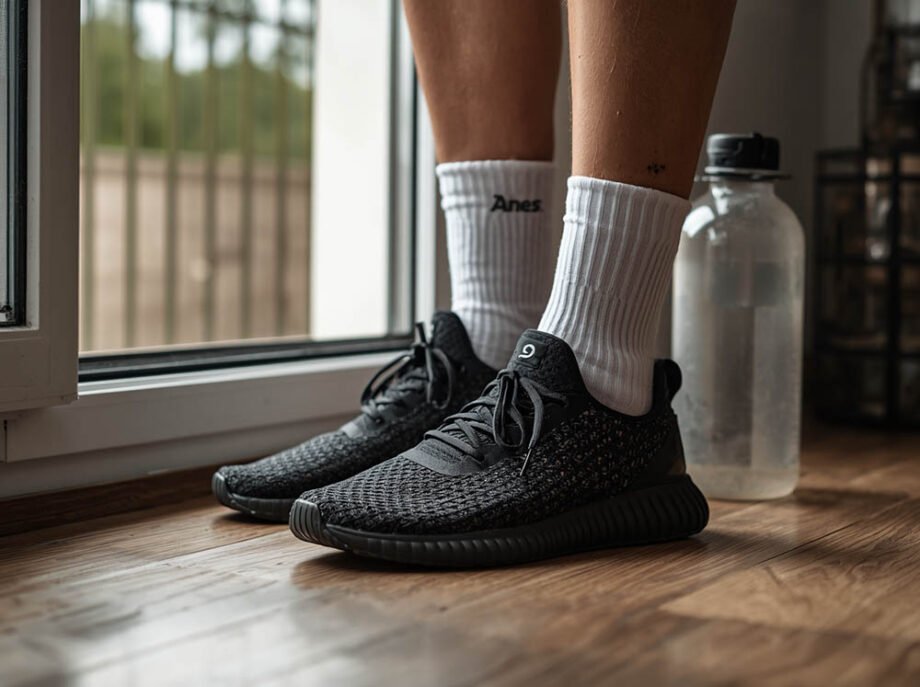
3D printed shoes can smell, but usually for the same reason regular shoes smell: sweat, bacteria, moisture, and poor drying. The printed structure itself is rarely the main cause. Odor usually comes from what gets trapped on or inside the shoe after repeated wear.
The difference is how 3D printed footwear is built. Many 3D printed shoes use open lattice structures, flexible TPU-like materials, and textured internal geometry. These features can improve airflow and make some shoes easier to rinse, but they can also create small spaces where sweat, dirt, skin oils, and bacteria collect.
In some situations, 3D printed shoes may stay fresher than closed, padded sneakers. In other situations, especially after workouts, barefoot wear, rain, beach use, humid weather, or poor storage, odor can build up inside the lattice and become harder to remove.
The real answer depends on how the shoes are worn, cleaned, dried, and stored.
Do 3D Printed Shoes Smell?
Yes, 3D printed shoes can develop odor.
They are not odor-proof. Repeated wear, hot weather, long walks, workouts, and barefoot use can all cause smell to build up. If the shoes are stored while damp or not cleaned after heavy use, the odor can become more noticeable over time.
The odor usually comes from sweat, bacteria, skin oils, dead skin cells, dirt, and moisture. These can collect on the footbed, inside lattice openings, around the heel, or in areas where the foot presses against the shoe.
They may smell less during light use
Some 3D printed shoes may smell less during casual wear because open lattice designs allow more airflow than closed foam or fabric sneakers.
Airflow helps because odor often gets worse when moisture stays trapped. A breathable lattice can help sweat evaporate faster, especially when the shoes are worn in dry conditions and left in an open area after use.
For short walks, errands, or light daily wear, a well-ventilated 3D printed shoe may dry faster than a traditional sneaker with thick padding and absorbent lining.
They may smell more after heavy use
The same lattice that improves airflow can also create small spaces where sweat, dust, sand, and skin residue collect.
If these areas are not rinsed or cleaned, odor can build up inside the structure. This is especially common in dense lattice zones, deep channels, and textured footbed areas.
Once bacteria settle into those spaces, the smell may return quickly after wearing, even if the shoe looks clean from the outside.
Why 3D Printed Shoes Can Develop Odor
Sweat starts the problem
Feet sweat during walking, workouts, commuting, long standing periods, and warm-weather use. Sweat itself is not always the direct source of bad smell. The stronger odor usually starts when sweat mixes with bacteria on the skin and inside the shoe.
Moisture gives bacteria a better environment to grow. When a shoe stays damp, bacteria can multiply and break down sweat and skin residue. That process creates the familiar smell associated with worn shoes.
This can happen in any footwear, but 3D printed shoes have their own odor pattern because of their open, textured, and sometimes hard-to-reach structure.
Bacteria can settle into lattice openings
Lattice shoes have gaps, channels, ribs, and internal surfaces that differ from standard sneaker foam. These areas can improve ventilation, but they also create more places where residue can cling.
Bacteria in lattice structures become more of a problem when sweat, skin cells, dust, and dirt collect inside small openings. If the shoe is worn repeatedly without rinsing or drying fully, those areas can start to hold odor.
The footbed usually matters most because it receives the most direct sweat and pressure. The heel, forefoot, toe area, and sidewalls can also collect residue depending on the shoe design.
TPU-like materials do not absorb like fabric, but residue can stay on the surface
Many 3D printed shoes use flexible polymer materials, often TPU or TPU-like compounds. These materials behave differently from fabric, leather, or foam.
A TPU-style lattice usually does not absorb moisture the same way a cloth upper or padded lining might. That can be an advantage because sweat is less likely to soak deep into the material.
However, odor TPU shoes can still happen. Sweat, oils, and bacteria can remain on the surface. Textured areas, grooves, and dense lattice sections can hold residue until they are rinsed or cleaned.
In most cases, the odor comes from surface buildup and trapped residue, not from the material absorbing smell like fabric.
Barefoot wear increases odor risk
Barefoot wear can make 3D printed shoes smell faster.
Without socks, sweat, oils, and dead skin cells transfer directly from the foot to the shoe. That buildup can settle on the footbed and inside the lattice. The shoe may still be breathable, but the surface receives more direct skin contact.
This matters most for 3D printed slides, sandals, clogs, and casual lattice shoes designed to be worn without socks. They may be easy to rinse, but they still need regular cleaning if worn barefoot often.
Do Lattice Shoes Trap Smell?
Lattice shoes can help with airflow, but they can also trap residue.
Open lattice designs allow air to move through the shoe more easily than a closed upper, thick foam midsole, or padded sneaker interior. This can make the shoe feel cooler and help it dry faster after light use.
However, deep lattice channels, tight openings, and complex internal structures can trap sweat, dust, lint, sand, mud, and small debris. These particles can hold moisture and give bacteria more places to settle.
This is where smell lattice shoes problems usually start. The shoe may look clean at a glance, but residue can remain hidden in the footbed, heel area, forefoot flex zones, or dense lattice sections.
A quick wipe may not be enough if odor is coming from inside the structure. In that case, rinsing and gentle brushing work better.
When 3D Printed Shoes Are Most Likely to Smell
After workouts or long walks
Workouts and long walks create more sweat than normal casual use. If the shoes are worn for hours and then left damp, odor risk increases.
This is common after gym sessions, long commutes, travel days, standing work, or extended outdoor use. The longer the foot stays warm and sweaty inside the shoe, the more residue builds up.
After heavy use, the shoes should be aired out immediately. If they already smell, rinsing the footbed and lattice is better than only placing them near a fan.
In hot and humid weather
Hot and humid weather makes odor harder to control.
Sweat increases, drying slows down, and shoes may not fully air out between wears. In humid climates, even breathable lattice shoes can stay slightly damp if stored in a closed room, gym bag, cabinet, or car.
A shoe that dries overnight in a cool, dry climate may still feel damp the next morning in a humid environment. When moisture stays in the lattice, odor can build faster.
When worn without socks
Barefoot use is one of the most common reasons 3D printed shoes start to smell.
Socks act as a removable layer. They absorb sweat, reduce friction, and limit direct skin contact with the shoe. Without socks, sweat and skin oil go straight onto the material.
For 3D printed slides, sandals, clogs, and recovery-style footwear, barefoot wear may be normal. That does not make odor unavoidable, but it does mean the shoes need more frequent rinsing and drying.
After rain, puddles, or beach use
Rain, puddles, sand, and beach environments can make odor worse if the shoe is not cleaned afterward.
Water can carry dirt into the lattice. Sand can settle into small openings. Salt, mud, grass, and organic debris can cling to the structure. If those particles stay inside the shoe, they can hold moisture and contribute to odor.
After beach or wet outdoor use, flush the shoe with clean water and dry it fully in open air.
When stored in a closed bag
Closed storage is one of the fastest ways to intensify odor.
Putting damp 3D printed shoes in a gym bag, backpack, closet, plastic bin, or car traps moisture around the shoe. The lattice may be breathable when exposed to air, but that advantage disappears when the shoe is sealed in a warm, damp space.
If the shoes are sweaty, wet, or dirty, do not store them closed until they are fully dry.
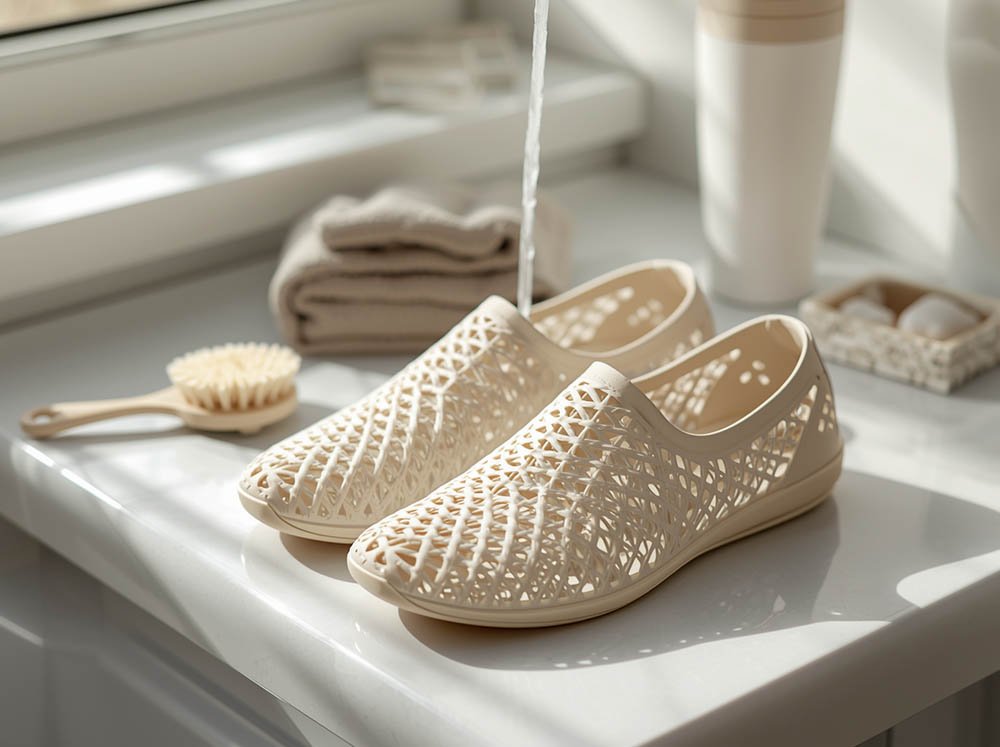
Are 3D Printed Shoes Easier to Clean Than Regular Shoes?
Many lattice shoes are easier to rinse than traditional fabric sneakers because water can move through the open structure. Dirt and loose debris may wash out more easily, especially if the shoe has a simple, open lattice.
This can make maintenance easier after casual wear, dust, sand, or light sweat buildup. A quick rinse can remove surface residue before it turns into stronger odor.
However, cleaning depends on the exact shoe. Not every 3D printed shoe is designed for the same level of water exposure, detergent, brushing, or machine washing.
Some areas still need extra attention:
- Footbed
- Heel cup
- Toe area
- Dense lattice sections
- Grooves and textured contact points
- Any removable insert or insole
The footbed usually holds the most odor because it has the most direct contact with the foot. The heel cup can collect sweat and skin oils. The toe area may trap debris. Dense lattice sections may hold residue that does not wash out with a quick splash of water.
Always follow the brand’s care instructions when available. Some printed footwear includes non-printed parts, bonded components, coatings, straps, uppers, or inserts that need different care.
Common Odor Problems With 3D Printed Shoes
The smell returns quickly after wearing
If smell returns quickly after wearing, bacteria or residue may still be inside the lattice.
Drying alone may reduce moisture, but it does not always remove the source of odor. If sweat and skin oils remain on the footbed or inside small openings, the smell can come back as soon as the shoe warms up again.
A deeper rinse and soft brushing may be needed.
The shoe smells clean at first, then smells again when warm
A shoe can smell clean when dry and then smell again after a few minutes of wear.
This happens when leftover residue reacts with new sweat and body heat. Warmth can reactivate odor trapped in the footbed or lattice. The shoe may not look dirty, but the odor source is still present.
This is common in shoes that were aired out but not properly cleaned.
The odor is strongest near the footbed
The footbed is usually the main odor zone.
That area receives the most sweat, pressure, friction, and skin contact. If the shoe is worn barefoot, the footbed also collects more oils and dead skin cells.
When cleaning odor from 3D printed shoes, start with the footbed before moving to the outer lattice.
The shoe smells worse after storage
If a shoe smells worse after sitting in a closet, bag, or car, it was probably stored with moisture or residue still inside.
Poor airflow gives bacteria more time to grow. Closed containers trap odor instead of allowing it to escape. Warm storage conditions can make the smell stronger.
For 3D printed shoes, storage matters as much as cleaning. A breathable shoe still needs breathable storage.
How to Prevent Odor in 3D Printed Shoes
Let them dry fully after every wear
The simplest way to prevent odor is to let the shoes dry completely after use.
Place them in an open, ventilated area. Avoid sealing them in a bag or pushing them into a dark closet while damp. If they were worn heavily, position them where air can move through the lattice.
Drying does not replace cleaning, but it helps prevent bacteria from growing in trapped moisture.
Wear clean socks when possible
Socks reduce direct sweat and skin buildup on the shoe.
For closed 3D printed sneakers or shoes that can be comfortably worn with socks, this is one of the easiest ways to prevent odor. Clean socks absorb sweat before it reaches the footbed and reduce direct contact between the foot and the printed material.
For barefoot-style printed footwear, rinsing becomes more important because there is no sock layer to absorb residue.
Rinse after sweaty or dirty use
After workouts, long walks, beach use, dusty conditions, or heavy sweating, a gentle rinse can prevent buildup.
Rinsing helps remove sweat, loose dirt, sand, and debris before they settle into the lattice. It is especially useful for open printed structures where water can pass through the geometry.
Use cool or lukewarm water unless the manufacturer recommends otherwise.
Use mild soap when needed
If the shoe already smells, water alone may not be enough.
A small amount of mild soap can help break down sweat, oils, and residue on the footbed and lattice. Use a soft cloth or soft brush for textured sections.
Avoid strong bleach, harsh cleaners, solvents, or abrasive scrubbing unless the brand specifically says they are safe.
The goal is to clean the residue without damaging the material, finish, or structure.
Avoid heat when drying
Heat can be risky for some 3D printed footwear.
Avoid clothes dryers, heaters, high-heat hair dryers, and prolonged direct sun unless the brand clearly allows it. Some flexible printed materials may soften, warp, deform, or lose shape under excessive heat.
Air drying in shade with good ventilation is safer for most printed shoes.
Rotate pairs if worn daily
If 3D printed shoes are worn every day, they may not have enough time to dry fully between uses.
Rotating pairs gives each shoe more time to air out. This is especially useful in humid weather, for people who sweat heavily, or for shoes worn during long workdays or commutes.
Daily wear is not the problem by itself. Repeated wear before the shoe fully dries is the bigger issue.
How to Remove Smell From 3D Printed Shoes
Start with a full rinse
Begin by rinsing the shoe thoroughly with clean water.
Let the water move through the lattice openings to flush out loose sweat residue, dust, sand, and debris. Focus on the footbed, heel, toe area, and dense lattice zones.
A full rinse is more effective than wiping only the outside surface.
Use a soft brush for deeper lattice sections
For deeper lattice areas, use a soft toothbrush or small cleaning brush.
Brush gently inside the openings where dirt and residue may be hiding. Avoid aggressive scrubbing that could damage thin structures, coatings, or delicate geometry.
A soft brush helps reach areas that water alone may not clean completely.
Clean the footbed carefully
The footbed needs the most attention.
Use mild soap and water to clean the area where the foot rests. Pay attention to textured zones, heel contact points, and the forefoot area. These spots usually carry the most odor because they receive the most sweat and pressure.
If the shoe has a removable insole or insert, clean it separately according to the care instructions.
Dry them in open air
After cleaning, let the shoes dry completely in a shaded, ventilated area.
Do not store them until they are fully dry. Moisture left inside the lattice can cause odor to return. If possible, position the shoes so air can pass through the openings.
Good drying is part of the cleaning process, not a separate step.
Repeat if odor has built up over time
Older odor may need more than one cleaning cycle.
If the shoe has been worn repeatedly without cleaning, sweat and bacteria may be built up in several areas. One rinse may reduce the smell but not remove it completely.
Repeat gentle cleaning if needed, focusing on the footbed and deeper lattice sections.
What Not to Do When Cleaning Odor From 3D Printed Shoes
Do not use harsh chemicals without checking care instructions
Strong chemicals can damage some materials, finishes, colors, or bonded parts.
Avoid bleach, solvents, strong disinfectants, and aggressive cleaners unless the manufacturer specifically says they are safe for that shoe. Harsh products may reduce odor temporarily but create material problems later.
Mild soap and water are usually the safer starting point.
Do not dry them with high heat
High heat can affect some printed materials.
Do not place 3D printed shoes in a clothes dryer or near a heater unless the care instructions allow it. Avoid hot water if the shoe’s material is unknown. Heat may cause warping, softening, shrinkage, deformation, or adhesive issues.
Air drying is slower, but it is safer.
Do not store them while damp
Storing damp shoes is one of the most common odor mistakes.
Even if the shoe is breathable, moisture trapped in the lattice can create a stronger smell when the shoe is closed inside a bag, box, or closet. Always dry the shoes fully before storage.
This is especially important after rain, workouts, beach use, or washing.
Do not ignore debris inside the lattice
Small trapped particles can hold moisture and bacteria.
Sand, dirt, lint, grass, and dust may not look serious, but they can contribute to odor when mixed with sweat. If debris is visible inside the lattice, flush it out before it settles deeper or hardens.
A clean-looking outer surface does not always mean the internal structure is clean.
Do 3D Printed Shoes Smell More Than Regular Shoes?
3D printed shoes are not automatically smellier than regular shoes.
Odor depends more on sweat, bacteria, cleaning habits, drying time, socks, climate, and activity level than on whether the shoe is printed. A well-ventilated printed shoe that is cleaned and dried properly may stay fresher than a traditional sneaker with thick, damp padding.
Open lattice designs can be easier to air out than closed sneakers. Because air can move through the structure, moisture may escape faster after light wear. This can help reduce odor, especially when the shoe is stored in an open space.
Deep lattice designs may require more maintenance. More geometry means more surfaces where sweat, skin residue, and debris can collect. These shoes may need more careful rinsing than simpler footwear.
That does not make them bad for daily use. It simply means maintenance should match the structure. The more complex the lattice, the more important it is to clean beyond the visible surface.
Practical Care Routine for Keeping 3D Printed Shoes Fresh
After normal daily wear
After light daily wear, place the shoes in an open area and let them air out.
Do not immediately put them in a closed bag, cabinet, or car. If they feel dry and have no visible dirt, ventilation may be enough for normal maintenance.
After sweaty use
After workouts, long walks, or hot-weather wear, rinse the footbed and lattice with clean water.
Use mild soap if odor is already present. Clean the foot-contact areas carefully, then let the shoes dry completely in open air.
This routine helps prevent sweat residue from becoming a recurring odor problem.
After beach, mud, or dusty conditions
After beach, mud, dusty roads, or wet outdoor use, flush the lattice thoroughly.
Remove sand, dirt, and debris before they settle inside the structure. Check the heel, forefoot, and toe area where particles often hide. Let the shoes dry fully before wearing or storing them again.
Weekly maintenance for frequent wearers
If the shoes are worn often, do a weekly check.
Inspect the lattice for trapped debris. Clean the footbed with mild soap and water. Brush dense sections gently if needed. Let the shoes dry in a ventilated area.
A simple weekly routine can prevent most odor problems before they become difficult to remove.
Final Takeaway: 3D Printed Shoes Can Smell, But Odor Is Manageable
3D printed shoes can smell when sweat, bacteria, moisture, and debris build up inside the shoe. Lattice structures can help with airflow, but they can also trap residue in small openings if the shoes are not cleaned properly.
They are not automatically smellier than regular shoes. In some cases, they may dry faster and stay fresher. In other cases, especially with barefoot wear, workouts, humid weather, beach use, or closed storage, odor can build up quickly.
The best way to prevent odor is simple: let them dry fully, wear clean socks when possible, rinse after sweaty or dirty use, clean the footbed carefully, avoid heat, and never store them while damp.
With the right care routine, odor in 3D printed shoes is manageable.
FAQ
They can, especially if they are worn barefoot often. Direct skin contact adds sweat, oils, and dead skin cells to the shoe surface. If the shoes are not rinsed and dried properly, odor can build up on the footbed and inside the lattice.
TPU-style shoes do not usually absorb moisture like fabric, but sweat and residue can still stay on the surface or inside textured areas. Odor TPU shoes usually come from buildup in the footbed, grooves, and lattice openings rather than the material alone.
Not always. Lattice shoes may dry faster because of better airflow. However, they can also trap sweat, dirt, and debris inside small openings if not cleaned properly. Odor depends on use, cleaning, drying, and storage.
Yes. Bacteria can build up where sweat, moisture, skin cells, and dirt collect. The footbed, heel area, forefoot, and deeper lattice sections are the most common odor zones.
Let them dry fully after every wear, use clean socks when possible, rinse after sweaty or dirty use, avoid storing them damp, and clean the footbed and lattice regularly.
Many 3D printed shoes can be gently rinsed or cleaned with mild soap, but care depends on the material and brand instructions. Avoid high heat, harsh chemicals, and aggressive scrubbing unless the manufacturer specifically allows them.
Drying removes moisture, but it may not remove sweat residue or bacteria. If the smell returns after wearing, the odor source may still be inside the footbed or lattice. A deeper rinse and gentle brushing may be needed.