

3D printed shoes can be good for hot weather, but only when the design is built for airflow.
An open lattice shoe can feel lighter, airier, and less damp than a traditional sneaker. A dense printed shoe, on the other hand, can still feel warm, especially under the foot, in humid weather, or in direct sun.
Hot-weather comfort depends on the lattice structure, TPU density, ventilation, sock choice, fit, and how long the shoes are worn.
Are 3D Printed Shoes Good for Hot Weather?
The Direct Answer
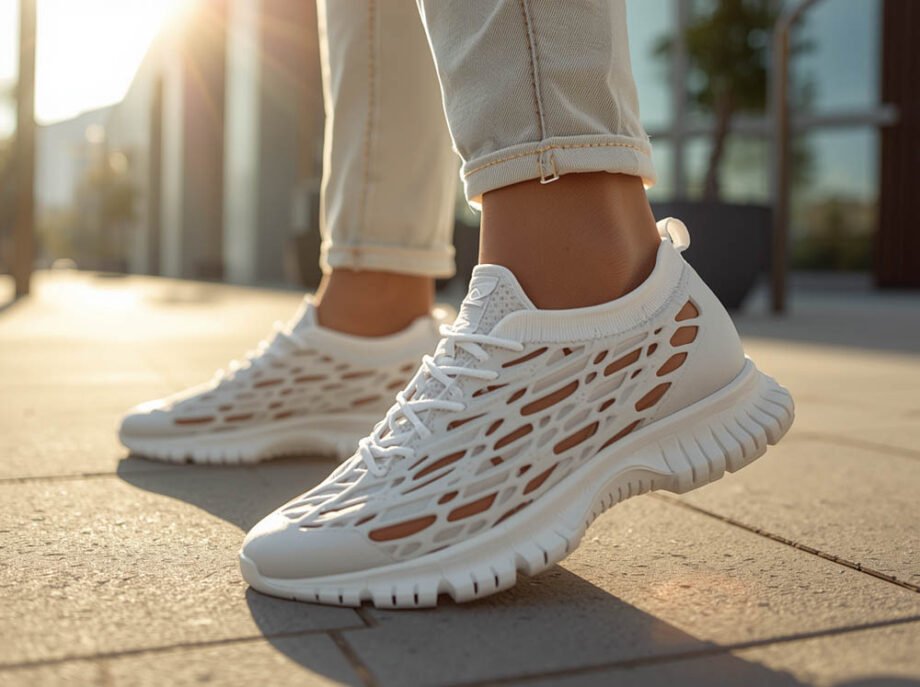
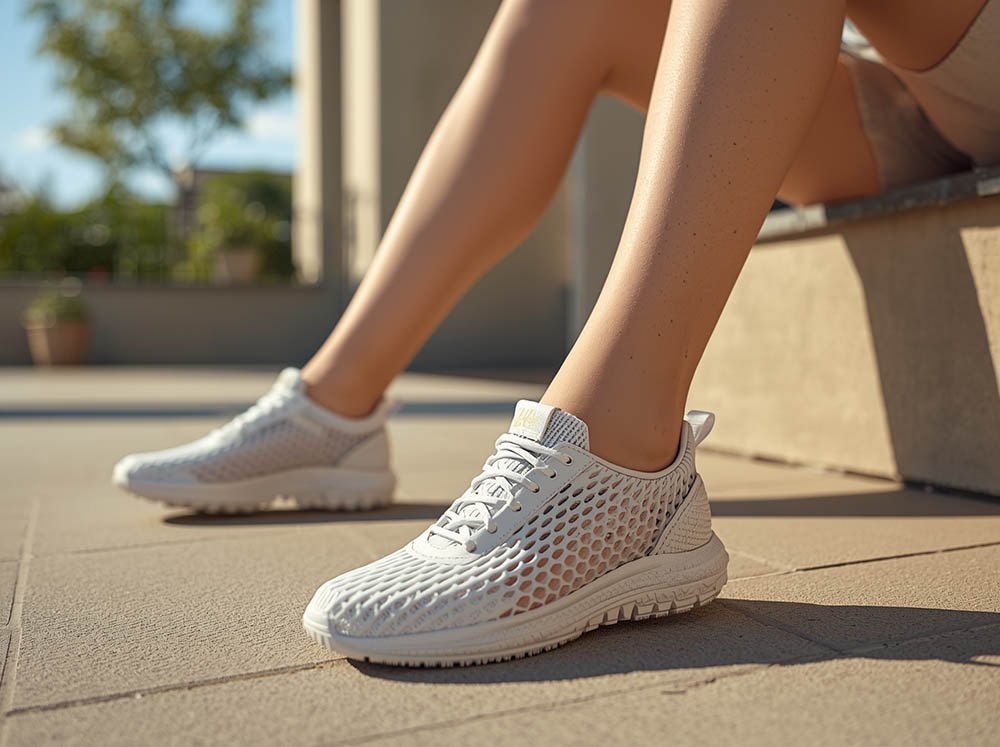
3D printed shoes can work well in hot weather when they use an open lattice design that allows air to move around the foot.
Breathable lattice shoes can feel cooler than closed leather sneakers, thick foam shoes, or fabric sneakers that trap sweat. The open structure gives heat more places to escape, especially around the upper, sidewalls, and forefoot.
However, 3D printed shoes are not automatically cooler than regular shoes. Some designs use dense TPU, thick midsoles, closed uppers, or compact lattice patterns that limit ventilation. In those cases, heat can still build up during long walks, humid days, or outdoor wear.
For hot weather, the best 3D printed shoes are open, lightweight, flexible, and designed with real airflow in mind.
When 3D Printed Shoes Feel Cooler
3D printed shoes usually feel cooler when the upper and sidewalls have visible open spaces.
Open lattice construction lets air pass through the shoe while walking. This helps reduce the stuffy, enclosed feeling that often happens with traditional sneakers in summer.
They can also feel better after light moisture because TPU does not absorb sweat like fabric or foam. Instead of soaking deeply into the shoe, moisture often stays closer to the surface, where it can be wiped, rinsed, or dried more easily.
This cooling effect is most noticeable during casual summer use, such as walking around town, running errands, traveling, or wearing them near water.
When They Can Still Feel Hot
Some 3D printed shoes can still feel warm.
Dense lattice structures restrict airflow. Thick printed uppers reduce ventilation. Dark TPU can heat up in direct sunlight. The footbed can also trap warmth because the bottom of the foot stays pressed against the shoe during wear.
Heat can also build when sweat gets trapped between the foot, sock, and TPU surface. Even if the sides of the shoe are open, the heel, arch, and forefoot can still feel warm after extended use.
This is why “3D printed” and “breathable” are not the same thing. The design has to support airflow in the right places.
How Breathable Lattice Shoes Work in Hot Weather
Why the Lattice Design Matters
The lattice structure is the main reason some 3D printed shoes perform well in warm weather.
Instead of using solid foam, stitched panels, or thick fabric layers, many printed shoes use open geometric structures. These gaps allow air to move through the shoe and help heat escape from exposed areas of the foot.
This can reduce the heavy, sweat-soaked feeling that comes from traditional shoes with thick textile linings.
But openness has trade-offs. Dirt, sand, water, and small debris can enter the shoe more easily. A very open lattice may feel airy but require more cleaning. A denser lattice may feel more supportive but warmer.
Breathability depends on how open the lattice actually is, not just whether the shoe is 3D printed.
Why TPU Feels Different From Fabric Shoes
Most 3D printed shoes use flexible polymer materials such as TPU or similar elastomers. TPU works well for printed footwear because it can bend, compress, rebound, and hold complex lattice shapes.
But TPU does not feel like mesh, cotton, knit, or leather.
Fabric absorbs moisture. TPU generally does not. That can be an advantage because the shoe may not stay soaked like a fabric sneaker. But it also means sweat can sit on the surface or remain between the foot and the shoe.
Against bare skin, TPU may feel smooth, rubbery, slightly tacky, or warm depending on the finish and temperature. If the fit is not right, printed contact points can also create friction.
This is why socks matter. A thin, breathable sock can make summer 3D printed shoes more comfortable by reducing direct rubbing and helping manage sweat.
Airflow vs Heat Retention
A shoe can look open and still feel warm in certain areas.
Airflow and heat retention are different issues.
Open sidewalls help air move around the foot. Ventilated uppers allow heat to escape. But thick soles, dense heel sections, and closed footbeds can still hold warmth.
The bottom of the foot is usually where heat builds first. This area has constant pressure, less air movement, and more sweat. Even in airflow TPU shoes, the underfoot zone may feel warmer than the exposed sides.
Direct sun also matters. Dark TPU and thicker printed sections can absorb heat outdoors. A black lattice shoe may feel warmer than a lighter-colored version on hot pavement or under strong sunlight.
Real-World Use: What 3D Printed Shoes Feel Like in Summer
Walking Around in Hot Weather
For casual walking, breathable lattice shoes can feel lighter and airier than many traditional sneakers.
During short walks, errands, or relaxed city use, the open structure can reduce the boxed-in feeling of closed uppers. The foot may feel less trapped, especially if the shoe has open sides or a ventilated upper.
The difference is most noticeable compared with thick leather sneakers, dense lifestyle shoes, or fabric shoes that get damp and stay damp.
However, warmth can still build after longer wear. The sole area does not get the same airflow as the sides. If the shoe has a dense midsole or closed footbed, it may still feel hot after extended walking.
Fit also becomes more important in summer. Feet can swell slightly in heat, and sweat increases friction. A shoe that feels fine indoors can develop pressure points during long outdoor wear.
Wearing Them Without Socks
Wearing 3D printed shoes without socks can feel cooler at first because there is no fabric layer between the foot and the lattice.
For short use, this can feel airy and convenient. It may work for quick errands, poolside use, or casual warm-weather wear.
But barefoot wear has clear downsides.
Sweat can make TPU feel slippery, tacky, or warm. Direct contact with lattice points can cause rubbing around the heel, arch, toes, or sides of the foot. Small pressure points become more noticeable without a sock barrier.
Barefoot use can also increase odor risk because sweat and skin oils transfer directly onto the material. Even though TPU does not absorb moisture like fabric, residue can still collect in lattice gaps and contact zones.
For longer summer wear, going sockless is usually less comfortable than it seems.
Wearing Them With Socks
Thin moisture-wicking socks are often the better choice in hot weather.
A good sock reduces friction, manages sweat, and makes printed contact points feel smoother against the skin. It also helps control odor by limiting direct skin contact with the shoe.
The sock type matters. Thick cotton socks can hold moisture and reduce airflow. Thin athletic socks, lightweight synthetic socks, or breathable performance socks usually work better.
With the right sock, summer 3D printed shoes can still feel ventilated while offering better comfort during longer wear.
This is especially useful for people prone to blisters, hotspots, or sweaty feet.
Beach, Poolside, and Humid Conditions
3D printed shoes can make sense near water, but they are not perfect beach shoes.
TPU does not behave like absorbent fabric, which can be useful around pools, boardwalks, resorts, or casual wet areas. Many printed shoes are easier to rinse than traditional sneakers, and open structures can dry faster when water can escape easily.
Deep sand is different. Open lattice gaps can catch sand, small stones, grass, and outdoor debris. Once debris enters the structure, it may need to be shaken, rinsed, or brushed out.
Humidity also changes the feel. In hot, humid conditions, sweat evaporates more slowly. Even a breathable shoe can feel sticky if moisture stays between the foot and the TPU.
For beachside use, 3D printed shoes work best when the design is easy to rinse, open enough to drain, and not too dense.
Long Outdoor Wear
Long outdoor wear is where the limitations become clearer.
During all-day walking, heat can build under the foot. Sweat can collect in pressure zones. Dense TPU structures may feel warmer over time, especially if the shoe has a thick midsole or limited airflow around the footbed.
This does not mean 3D printed shoes are bad for summer. It means they should be matched to the activity.
For short walks, errands, travel, casual outdoor use, and relaxed warm-weather wear, breathable lattice shoes can work well. For all-day walking in extreme heat, a traditional performance shoe with proven cushioning, moisture management, and support may still be the better option.
Benefits of 3D Printed Shoes in Hot Weather
Better Ventilation in Open Designs
The main summer advantage is ventilation.
Open lattice structures allow air to move through areas that would normally be covered by fabric, leather, foam, or synthetic panels. This can make the shoe feel less closed and more breathable.
This matters most around the sides, upper, and forefoot. If those zones are open, the foot gets more exposure to moving air while walking.
A well-designed lattice shoe can be especially useful for people who dislike the trapped, damp feeling of traditional sneakers in summer.
Less Sweat Absorption Than Traditional Shoes
TPU does not soak up sweat the way fabric linings, knit uppers, and foam padding can.
That makes 3D printed shoes easier to manage in hot weather. Instead of moisture sinking deep into the shoe, sweat residue often stays closer to the surface.
This can reduce the wet-sneaker feeling that happens when fabric shoes become saturated. It can also make cleaning simpler.
However, this does not mean the shoe stays dry automatically. Sweat still has to go somewhere. Without proper airflow, socks, and drying, moisture can remain in contact zones.
Easier Cleaning After Sweat, Dust, or Light Dirt
Many 3D printed shoes are easier to clean than fabric sneakers.
Dust, sweat residue, and light dirt can often be wiped or rinsed from the surface. Open lattice sections can also be flushed with water if debris gets inside.
This is useful in hot weather because shoes are exposed to more sweat, outdoor dust, and casual wear near sand, grass, or water.
The cleaning advantage depends on the design. Tight lattice structures may trap debris more stubbornly, while wider openings are easier to rinse.
Quick-Drying Potential
Open designs may dry faster than traditional fabric shoes after light moisture.
Because TPU does not absorb water like textile material, drying often depends on surface water and trapped moisture inside the lattice. If the shoe has open drainage paths, it can dry relatively quickly.
Dense structures may hold water in small pockets. If moisture gets trapped inside tight lattice channels, drying may take longer.
The best hot-weather designs are open enough to ventilate and simple enough to clean and dry thoroughly.
Problems and Limitations in Hot Weather
They Can Still Trap Heat Underfoot
The most common hot-weather limitation is underfoot warmth.
Even breathable lattice shoes may not fully solve heat buildup beneath the foot. The sole is compressed during walking, and there is limited airflow between the bottom of the foot and the footbed.
A thick printed midsole may provide structure and cushioning, but it can also retain warmth. This is especially noticeable during long walks, long standing periods, or wear on hot pavement.
For summer comfort, look beyond the upper. The sole design matters too.
TPU Can Feel Warm in Direct Sun
TPU can warm up when exposed to direct sunlight.
Dark colors tend to absorb more heat. Thick printed sections also hold warmth longer than thin, open structures. A black 3D printed shoe worn on a hot day may feel noticeably warmer than a lighter-colored or more open design.
Ground temperature matters as well. Hot pavement, concrete, asphalt, and outdoor surfaces can increase heat transfer through the sole.
This is why 3D printed shoes may feel comfortable indoors or in the shade but warmer during exposed outdoor wear.
Sweat Can Create Friction
Hot weather increases sweat, and sweat can increase friction.
When the foot moves against TPU, moisture can make the surface feel slippery or tacky. That movement can create hotspots, especially around the heel, toes, arch, or sidewalls.
This is more likely when wearing the shoes without socks. It can also happen when the fit is too tight, too loose, or when lattice contact points press into sensitive areas.
A thin moisture-wicking sock is often the simplest fix.
Odor Can Still Happen
3D printed shoes are not odor-proof.
Even if TPU absorbs less moisture than fabric, odor can still develop from sweat residue, bacteria, skin oils, and poor drying. Lattice gaps can collect residue, especially in areas where the foot directly touches the shoe.
Wearing them without socks can increase this risk. Storing them while damp can make it worse.
To reduce odor, rinse or wipe sweat-prone areas, remove debris, and let the shoes dry fully after use.
Sand and Small Debris Can Get Stuck
Open lattice is breathable, but it is also exposed.
Sand, small stones, dust, grass, and outdoor debris can enter the shoe more easily than with closed sneakers. This is especially noticeable at the beach, on gravel paths, or in dry outdoor areas.
Some debris shakes out easily. Other particles may need rinsing or brushing.
This is the trade-off of a breathable structure: more airflow, but less protection from the environment.
Practical Advice for Wearing 3D Printed Shoes in Hot Weather
Choose a More Open Lattice Design
For summer, choose shoes with visible ventilation.
Look for open sidewalls, breathable uppers, and lattice structures that allow air to pass through the shoe. The design should look open in the areas where heat usually builds: the forefoot, sides, and upper.
Avoid overly dense printed uppers if cooling is the priority. A heavy closed design may be durable and supportive, but it may not feel ideal in hot weather.
The best summer 3D printed shoes balance openness with enough structure to stay comfortable.
Wear Thin Moisture-Wicking Socks
Thin moisture-wicking socks can make a major difference.
They reduce rubbing, help manage sweat, and protect the skin from direct lattice contact. They also help keep odor under control by reducing direct sweat transfer into the shoe.
Avoid thick cotton socks in very hot weather. Cotton can hold moisture and make the foot feel damp.
A lightweight breathable sock is usually the safest choice for longer summer wear.
Avoid All-Day Wear in Extreme Heat at First
Test the shoes gradually.
Start with short walks, errands, or casual use before wearing them all day. Pay attention to underfoot warmth, heel rubbing, toe pressure, and sweat buildup.
Hot weather can expose fit problems quickly. A shoe that feels comfortable for 20 minutes may not feel the same after several hours outdoors.
This is especially important for new 3D printed shoes, sockless wear, or dense TPU designs.
Clean and Dry Them After Sweaty Wear
Hot-weather use requires simple maintenance.
After sweaty wear, wipe or rinse the areas that touch the foot. Remove sand, dust, or debris from the lattice. Let the shoes air dry fully before storing them.
Do not leave them damp inside a bag, closet, or enclosed space. Poor drying can lead to odor even if the material does not absorb moisture like fabric.
For regular summer use, quick cleaning after wear is one of the easiest ways to keep them fresh.
Be Careful With Hot Pavement and Direct Sun
Heat from the ground can affect comfort.
Hot pavement, asphalt, and concrete can warm the sole from below. Direct sunlight can heat the upper from above, especially with dark TPU.
For casual summer use, this may not be a major issue. For long walks in strong sun, it can become more noticeable.
Lighter colors, open structures, and shorter exposure times can help reduce heat buildup.
Pay Attention to Fit
Fit becomes more important in hot weather.
Feet can swell slightly in heat. Sweat increases movement inside the shoe. Friction becomes more noticeable. Printed contact points can press into the skin if the shoe is too tight or poorly shaped.
A good hot-weather 3D printed shoe should feel secure without pinching. It should not rub aggressively at the heel, toes, or sides of the foot.
If the shoe feels harsh when worn barefoot, try thin socks before judging the overall comfort.
Who Should Consider 3D Printed Shoes for Hot Weather?
Good Fit For
3D printed shoes can be a good fit for people who want breathable casual footwear for warm weather.
They make sense for people who dislike damp fabric sneakers, want something easier to rinse, or prefer shoes with visible airflow. They can also work well for short walks, errands, relaxed outdoor use, travel, poolside wear, and casual summer outfits.
They are especially appealing when the design is open, lightweight, washable, and flexible.
The strongest reason to consider them is the combination of ventilation, easy cleaning, and warm-weather convenience.
Not Ideal For
3D printed shoes are not ideal for everyone in hot weather.
They may not be the best choice for people who need maximum plush softness underfoot, are highly prone to blisters, or plan to walk all day in extreme heat.
They may also frustrate beach users who dislike removing sand from shoes. Open lattice designs can collect debris, especially in loose sand or gravel.
They are also not ideal for anyone expecting every 3D printed shoe to feel cooler automatically. A dense printed shoe can still feel warm.
The better approach is to judge the actual design, not just the manufacturing method.
Buying Checklist for Summer 3D Printed Shoes
What to Look For Before Buying
For hot weather, look for an open lattice upper, breathable side structure, and visible airflow around the foot.
The shoe should feel lightweight enough for summer use but structured enough to support casual walking. Internal contact points should look smooth, not sharp or overly aggressive.
A washable or easy-clean design is also important. Summer wear means more sweat, dust, and moisture, so the shoe should be simple to rinse, wipe, and dry.
Flexible TPU is usually preferable to stiff, harsh-feeling material. A good return policy also matters because fit can be difficult to judge until the shoe is worn.
Before buying, check for:
- Open lattice upper
- Breathable side structure
- Smooth internal contact points
- Lightweight build
- Washable or easy-clean design
- Flexible TPU
- Clear sizing guidance
- Good return policy if fit is uncertain
What to Avoid
Avoid very dense printed uppers if hot-weather comfort is the priority.
A shoe can look futuristic and still have poor ventilation. If there are few visible openings around the upper or sidewalls, it may not feel much cooler than a regular sneaker.
Also be cautious with heavy closed designs, rough internal lattice points, and shoes marketed as breathable without clear visible airflow.
Dark colors may also feel warmer if the shoes will be worn often in direct sun.
Avoid:
- Very dense printed uppers
- Heavy closed designs
- Rough internal lattice contact points
- Minimal visible ventilation
- Dark colors for frequent direct-sun use
- Poor sizing information
- Designs that are difficult to clean
Final Takeaway
3D printed shoes can be a strong option for hot weather when they use an open lattice structure that allows airflow around the foot.
The best designs feel breathable, easy to clean, and practical for casual summer use. They can reduce the damp, enclosed feeling of traditional sneakers, especially when paired with thin moisture-wicking socks.
But they are not automatically cooler than every regular shoe. Dense TPU, thick midsoles, dark colors, poor fit, sweat buildup, and limited underfoot airflow can still make them feel warm.
For summer, choose 3D printed shoes based on ventilation, fit, material feel, cleaning ease, and real-world use. A good pair should feel open and comfortable without creating rubbing, odor, or trapped heat during normal warm-weather wear.
FAQ
Yes, many 3D printed shoes are breathable when they use open lattice structures. The more open the upper and sidewalls are, the more air can move through the shoe.
However, not every 3D printed shoe is highly breathable. Dense lattice designs and thick printed sections can reduce airflow.
They can, especially in hot weather or during long wear.
TPU does not absorb sweat like fabric, so moisture may sit on the surface or stay between the foot, sock, and shoe. Breathable designs can help, but they do not stop sweating completely.
Lattice shoes can be good for summer because they allow more airflow than many closed sneakers.
They work best for casual wear, short walks, errands, poolside use, and warm-weather situations where ventilation matters. For all-day walking in extreme heat, comfort depends heavily on fit, sole design, and sock choice.
Yes, but it may increase rubbing, sweat buildup, and odor.
Sockless wear can feel cooler at first, but direct contact with TPU or lattice points can cause hotspots. Thin moisture-wicking socks are usually more comfortable for longer summer wear.
TPU can retain some heat, especially in thick areas or dark-colored designs exposed to direct sun.
Open lattice construction can reduce heat buildup by allowing airflow, but it does not eliminate warmth completely. The footbed and sole area can still feel hot during long wear.
They can be useful near the beach because many are easy to rinse and do not absorb water like fabric shoes.
However, sand and small debris can get stuck in lattice gaps. They are usually better for beachside walking, poolside use, and casual wet areas than for deep sand.
Wear thin breathable socks, clean sweat-prone areas after use, remove trapped debris, and let the shoes dry fully before storing them.
Avoid leaving them damp in a bag or enclosed space. Regular rinsing or wiping helps reduce odor and keeps the lattice cleaner.