


WAZP is opening a 3D printed footwear system built around on-demand brand selling, raising a practical industry question: can brands launch 3D printed shoes without holding stock, paying for tooling, or managing conventional production runs? The company’s METIS platform points to a shift toward modular, made-to-order footwear rather than another standalone 3D printed sneaker concept. (WAZP)
WAZP Positions METIS as a Brand-Ready Footwear Platform
WAZP is preparing METIS for a June 2026 launch through WAZP+, describing it as a white-label, on-demand footwear system for brands, retailers, and boutiques. The company says the platform allows partners to sell high-performance, glue-free shoes without traditional stock requirements.
The important part is not only that the shoes are 3D printed. The larger signal is that WAZP is packaging 3D printed shoe production as a retail and fulfilment model.
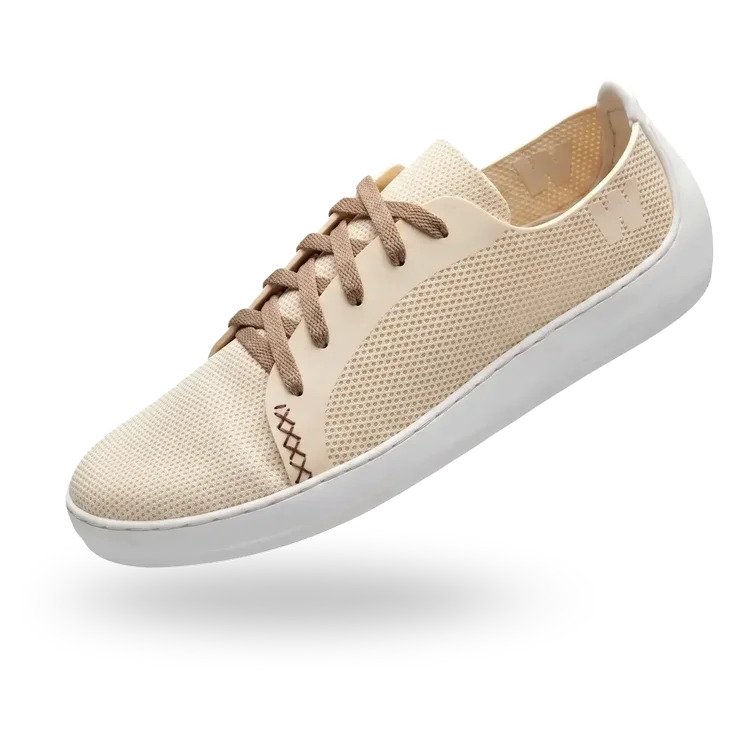
Instead of asking brands to develop an entire manufacturing system from scratch, METIS is presented as a ready framework. Brands can use its modular architecture, apply their own design direction, and sell products through a made-to-order fulfilment system.
That makes this less of a typical product launch and more of an infrastructure play.
How the 3D Printed Footwear System Works
The 3D printed footwear system is built around modular construction, on-demand manufacturing, and brand customization. WAZP says METIS lets brands create their own design, list the product without tooling or stock, and pay only when it sells. (LinkedIn)
In practical terms, the model appears to focus on four core ideas:
- No minimum order quantities
- Made-on-demand production
- Custom-branded footwear collections
- EU-based fulfilment
This matters because footwear production usually depends on forecasting, inventory planning, sizing risk, and upfront manufacturing commitments. METIS is trying to reduce those barriers by turning production into a demand-triggered process.
For brands, the appeal is straightforward: test a shoe concept without committing to a large production run. For retailers, the appeal is lower inventory exposure.
The system also gives WAZP a clearer business position. It is not only selling 3D printed shoes; it is selling access to an on-demand footwear pipeline.

Why On-Demand Footwear Matters for Brands
On-demand footwear has been discussed for years, but many examples have remained limited to prototypes, premium collaborations, or niche direct-to-consumer drops. WAZP’s approach is notable because it focuses on brand adoption.
The company is not positioning METIS only as a consumer product. It is presenting the system as something other businesses can use to launch their own footwear collections.
That shift matters for three reasons.
First, it lowers the cost of experimentation. A smaller brand or boutique does not need to predict demand across multiple sizes and colorways before launching.
Second, it reduces overproduction risk. If a shoe is made only after an order is placed, unsold inventory becomes less central to the business model.
Third, it gives 3D printed shoes a more practical route into retail. The technology becomes useful not because it looks futuristic, but because it changes how products are created, listed, and fulfilled.
This is where the business case becomes stronger. The real value is not the novelty of printing a shoe; it is the possibility of producing footwear closer to actual demand.
Modular Design Pushes Circular Footwear Beyond Marketing
WAZP is also emphasizing circular footwear through modularity, mono-material construction, and repairability. In a recent company update, WAZP described METIS as recyclable by design and said its construction supports repair through EasyStitch technology.
That is important, but it should be read carefully.
Circular footwear often sounds simple in marketing language. In reality, footwear is difficult to recycle because shoes usually combine foams, adhesives, textiles, rubber, plastics, and hardware into one bonded product.
A modular, glue-free structure could make end-of-life handling more realistic. It may also make repairs easier if individual components can be separated or replaced.
The practical clarification is this: circular design only becomes meaningful if brands, consumers, and fulfilment partners support repair, return, and recycling behavior after purchase.
A recyclable shoe is not automatically a circular system. It still needs collection, sorting, processing, and customer participation.
What This Means for 3D Printed Footwear
The main signal is that 3D printed footwear is moving from product experimentation toward production systems.
That does not mean 3D printed shoes are ready to replace conventional footwear manufacturing. Traditional shoe production still has advantages in cost, scale, materials, and consumer familiarity.
But WAZP METIS points to a specific lane where 3D printing may be more competitive: small-batch, brand-customized, made-to-order footwear.
This is a realistic use case because it avoids competing directly with mass-produced sneakers on volume alone. Instead, it focuses on flexibility.
For niche brands, designer collaborations, boutique retailers, and limited collections, that flexibility can be valuable. The ability to launch without tooling or stock changes the economics of testing new footwear ideas.
The broader industry implication is clear: 3D printed shoes may not win first as mass-market replacements. They may gain traction as agile product systems for brands that need lower-risk launches, customization, and faster iteration.
What METIS Does Not Solve Yet
METIS does not eliminate every challenge facing 3D printed shoe production.
The biggest open questions are still practical:
- Can the shoes meet daily comfort expectations across many foot types?
- Can production scale while keeping delivery times acceptable?
- Can pricing compete with traditional footwear in broader markets?
- Will customers understand the value of modular 3D printed shoes?
- Can recycling and repair systems operate beyond the product page?
These are not small issues. Footwear is a repeat-use product, and comfort problems become obvious quickly.
There is also a market education challenge. Many consumers still associate 3D printed shoes with stiff prototypes, experimental fashion, or unusual lattice designs. WAZP’s cleaner design direction may help, but mainstream adoption depends on wearability, not just technology.
For brands, the question is also strategic. On-demand footwear can reduce inventory risk, but it may introduce new dependencies around fulfilment, production capacity, and quality control.
The system is promising, but it still has to prove itself through real orders, real wear, and repeat customer demand.
What to Watch Next
The next important development is whether WAZP confirms early brand partners after the June 2026 METIS launch window.
The strongest signals to watch will be:
- Which brands or boutiques adopt METIS first
- Whether Shopify or ecommerce integration becomes central to the rollout
- How long production and delivery take after purchase
- Whether repair or recycling programs are clearly offered
- How customers respond to comfort, fit, and durability
The most important test is not whether METIS can generate attention. It is whether the system can help brands sell wearable 3D printed shoes with less inventory risk and a credible circular footwear model.
For now, WAZP’s move is best understood as an industry signal: 3D printed footwear is becoming less about single-product novelty and more about the systems that could make on-demand shoe production commercially useful.
Mini FAQ
WAZP METIS is an on-demand footwear platform that lets brands, retailers, and boutiques sell modular 3D printed shoes without traditional tooling or stock commitments.
The system helps brands test footwear collections with lower inventory risk. Shoes can be produced after purchase instead of being manufactured in large batches upfront.
WAZP positions METIS around modular, glue-free, and recyclable design. However, circular footwear still depends on repair, return, recycling, and customer participation after purchase.