Choosing the right size for 3D printed shoes is not always the same as choosing a regular sneaker size. The number on the label matters, but the fit can also change based on the shoe’s material, lattice structure, upper design, width, heel shape, and intended use.
The best approach to 3D printed shoes sizing is to start with your actual foot measurements. Then compare those measurements with the brand’s size chart and fit notes. Your usual sneaker size can help as a reference, but it should not be the only thing you use.
Many 3D printed shoes use flexible polymers, printed lattice midsoles, or one-piece constructions. These can feel different from foam, mesh, leather, or rubber. That does not make the fit worse. It simply means the sizing needs to be checked more carefully, especially when the shoe is made-to-order or custom printed.
Direct Answer: How Should 3D Printed Shoes Fit?
3D printed shoes should feel secure, stable, and supportive without squeezing your toes, arch, heel, or the top of your foot. Your foot should sit naturally inside the shoe without sliding, rubbing, or feeling locked into an uncomfortable shape.
The ideal fit depends on the type of shoe.
A 3D printed recovery slide can feel slightly roomier and still work well. A 3D printed sneaker for walking or daily wear needs stronger heel hold and better midfoot security. A custom 3D printed shoe should match your foot shape more closely, but it still depends on accurate measurements or scan data.
The main question is not just, “What size do I usually wear?” The better question is, “What is my actual foot length and width, and how does this brand convert that into size?”
Start With Your Actual Foot Length
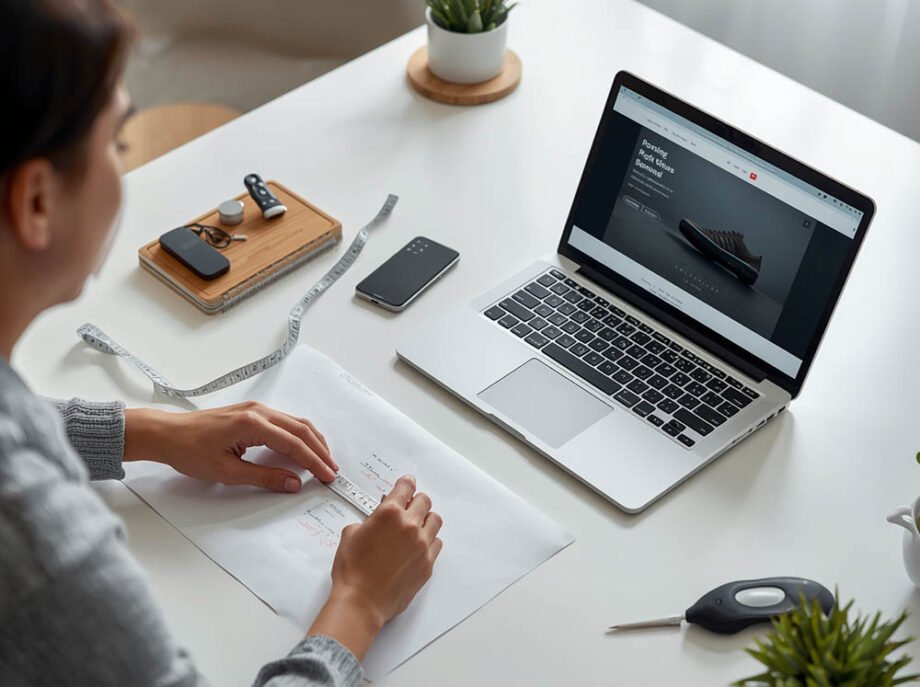
Measure your foot from the back of the heel to the tip of your longest toe. Do not assume your big toe is always the longest point. For some people, the second toe is longer.
A simple method is to stand on a sheet of paper, mark the heel and longest toe, then measure the distance in centimeters or millimeters. Standing is important because your foot spreads under body weight. Measuring while sitting can give you a smaller number than your foot actually needs inside a shoe.
Once you have the measurement, compare it with the brand’s size chart. This is important because US, UK, and EU shoe sizes are not always consistent across brands. One brand’s EU 43 may not feel the same as another brand’s EU 43.
If you are between sizes, check the brand’s fit guidance before choosing. Some brands recommend sizing up. Others already build extra room into the shoe.
Check Width, Not Just Length
Foot length gets most of the attention, but width often decides whether the shoe is actually comfortable.
A shoe can be long enough but still feel wrong if the sides press against your forefoot or if the upper squeezes the midfoot. This is especially important with 3D printed shoes because some printed uppers do not stretch like knit mesh, canvas, or leather.
If the shoe has a one-piece printed shell, the fit may feel more fixed. A tight area around the forefoot may not loosen much after wear.
Width matters even more if you have wide feet, flat feet, bunions, a high instep, or one foot that is noticeably wider than the other. In those cases, check whether the brand offers wide sizing, custom fit options, or model-specific guidance for wider feet.
If no width information is available, look for buyer comments about toe box room, side pressure, arch pressure, and whether the shoe feels narrow.
Consider the Intended Fit
Not every 3D printed shoe is designed to fit the same way. A recovery slide, casual clog, daily sneaker, performance shoe, and custom printed shoe can all have different fit goals.
A recovery slide may feel open and relaxed because it is made for casual wear, post-workout use, or indoor comfort. A printed sneaker needs more lockdown because your foot moves more during walking. A fashion-focused printed shoe may prioritize shape and visual design, while a performance-oriented model may focus more on support and foot control.
Before choosing a size, think about how you will use the shoe. For errands, travel, or long periods of standing, comfort and stability matter most. For casual use, a slightly relaxed fit may be acceptable. For active walking, heel hold and midfoot security become more important.
Why 3D Printed Shoes Can Fit Differently
3D printed shoes can fit differently because they are built differently.
Traditional shoes usually combine foam midsoles, rubber outsoles, mesh or textile uppers, padding, internal counters, stitched panels, and glue. Many 3D printed shoes replace some of those parts with printed geometry.
Instead of a solid foam midsole, some designs use lattice structures that compress in specific zones. Instead of a stitched textile upper, some use flexible printed polymers. Instead of a conventional multi-part construction, some are printed as a single piece or as modular components.
These differences affect how the shoe bends, holds the foot, spreads pressure, and changes after repeated wear.
Lattice Structures Can Change the Feel
A lattice structure is an open, repeated geometry that can compress, rebound, and support the foot. In footwear, lattice zones can be designed to feel softer, firmer, springier, or more stable.
This is why lattice shoes fit can feel different from traditional foam shoes. Foam usually compresses in a familiar way. A lattice may feel more structured because the support comes from geometry, not a uniform foam slab.
The feel can also vary by zone. The heel may feel more supported. The forefoot may feel more flexible. The arch area may feel more noticeable. This depends on the design of the lattice and the material used.
Judge the fit while walking, not just while standing. A lattice shoe may feel unusual at first but become more natural once it compresses under movement. However, sharp pressure, rubbing, wobbling, or instability are fit problems, not normal break-in.
Printed Footwear May Have Less Break-In
Some traditional shoes stretch or soften with wear. Leather can relax. Knit uppers can adapt. Foam can compress. Canvas can loosen.
Many 3D printed shoes do not behave the same way. Flexible printed materials may soften slightly, but they may not stretch enough to fix a poor size choice.
If the shoe feels tight in the toe box, presses into the top of your foot, or pinches the sides, it may remain uncomfortable. This is especially true for one-piece printed shoes or printed uppers with limited give.
A slightly firm underfoot feel may improve with use. A clearly cramped fit should not be ignored.
Custom Printed Shoes Still Need Accurate Data
Custom 3D printed footwear can improve fit, but it is not automatic. The final result depends on the quality of the foot scan, measurements, and fit inputs.
If the shoe is based on a scan, the scan needs to capture the full shape of the foot accurately. If it is based on manual measurements, those measurements need to be correct. If the brand asks for size, width, arch information, or fit preference, each detail matters.
A custom product can still fit poorly if the scan is distorted, the measurement was taken while sitting, the wrong socks were worn, or the foot was measured at the wrong time of day. The more personalized the shoe, the more important the starting data becomes.
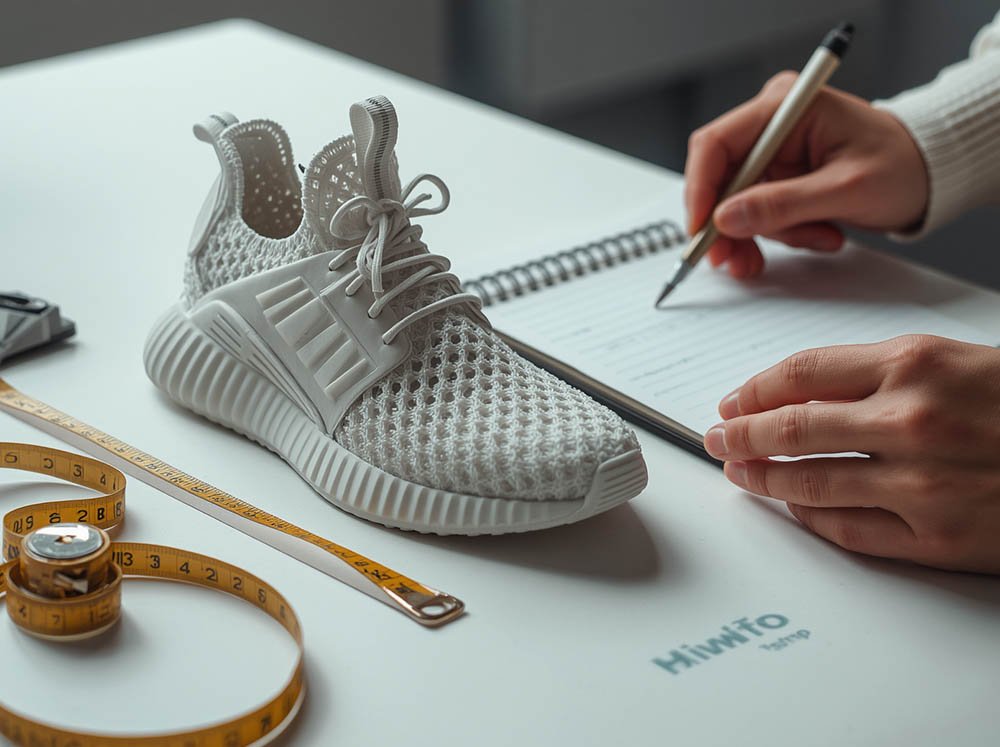
How to Size 3D Printed Shoes Before Buying
The best way to size 3D printed shoes is to measure both feet, use the larger measurement, compare it with the brand’s size chart, and check model-specific fit guidance.
Do not treat your usual size as final. Treat it as a starting point. Your actual foot length and width are more useful than the size you normally wear in one sneaker brand.
Measure Both Feet
Most people have one foot that is slightly longer or wider than the other. Use the larger foot as your sizing reference.
If you size based on the smaller foot, the larger foot may feel cramped. This can lead to toe pressure, rubbing, side discomfort, or poor heel positioning. A slightly roomier fit on the smaller foot is usually easier to manage than a tight fit on the larger foot.
For made-to-order or custom 3D printed shoes, check whether the brand can account for left and right foot differences. Some custom systems may allow separate foot data for each shoe. This is useful if your feet differ noticeably in length, width, arch height, or shape.
Measure at the End of the Day
Feet can expand during the day, especially after walking, standing, exercise, or heat exposure. Measuring in the morning may give you a smaller number than what your foot needs later.
For a more realistic daily-wear fit, measure your feet later in the day. This is especially useful if you plan to wear the shoes for work, travel, errands, or long walks.
The goal is not to oversize the shoe. The goal is to avoid buying a pair that feels fine for a few minutes but becomes tight after your feet naturally swell.
Wear the Socks You Plan to Use
Socks can change fit more than expected. Thin socks, thick athletic socks, compression socks, and no-show socks all affect how much space your foot needs inside the shoe.
When measuring or test fitting, use the type of sock you expect to wear with the shoe. This matters most for closed 3D printed shoes, but it can still affect comfort in open or slip-on designs.
If the shoe already has a snug printed upper, thicker socks may create pressure across the top of the foot or around the forefoot. If the shoe is a relaxed slip-on, thin socks may make it feel looser.
Look for Brand-Specific Fit Notes
There is no single sizing rule for all 3D printed shoes. Some models fit true to size. Some feel narrow. Some feel roomy. Some recommend sizing up if you are between sizes.
Look for fit notes such as:
- true to size
- size up if between sizes
- size down for a snug fit
- narrow fit
- wide-foot friendly
- relaxed fit
- performance fit
- limited stretch
- made-to-order sizing rules
Fit notes are especially important for newer 3D printed shoe models where customer feedback may still be limited. When in doubt, start with the size that matches your measured foot length, then use the fit notes to decide whether to adjust.
Real-World Usage: What Fit Means When You Actually Wear Them
A shoe is not properly sized just because it feels fine while standing still. The real test is movement.
A good fit should work when you walk, turn, climb stairs, sit, stand for long periods, and change direction. 3D printed shoes can feel different once your body weight starts compressing the lattice or flexing the printed upper.
That is why the first real fit test should include actual movement, not just a quick try-on.
Walking Around the House
When you receive 3D printed shoes, test them indoors first. Walk on a clean floor so the shoes remain returnable if the brand allows returns.
Pay attention to heel movement. A small amount of movement may be normal in a casual slip-on, but excessive heel lift can cause rubbing and instability. For a sneaker-style shoe, the heel should feel secure enough that your foot does not slide with every step.
Check toe room while walking. Your toes should not hit the front when your foot rolls forward. You should also be able to move your toes naturally without feeling squeezed.
Notice the top of the foot. If the printed upper presses into your instep, it may become uncomfortable during longer wear, especially if the material has limited stretch.
Long Wear and Heat
Fit can change during longer wear. Your feet may swell slightly. The shoe material may warm up. The lattice may compress differently after repeated steps.
A shoe that feels acceptable for five minutes may feel tighter or less stable after an hour.
Heat can also affect comfort. In warm conditions, feet often feel more swollen, and shoes with firm printed structures may feel less forgiving. Open lattice designs can help with airflow, but comfort still depends on the shoe’s geometry, material, and fit.
If you live in a hot climate or plan to wear the shoes outdoors for long periods, avoid choosing a size that already feels tight during the first try-on. You need enough room for natural foot expansion without creating a sloppy fit.
Recovery, Casual, and Daily Use
The right size depends on the use case.
Recovery-style 3D printed slides and clogs may work with a slightly roomier fit because they are often used for casual walking, indoor wear, or post-activity comfort. They do not need the same lockdown as a walking sneaker.
Daily shoes need more control. If you wear 3D printed sneakers for errands, commuting, or regular walking, your foot should feel centered on the platform. The heel should not slide excessively, and the midfoot should not feel loose.
For casual fashion-focused printed shoes, comfort still matters. A design that looks good but lets your foot shift too much can become tiring. A design that is too tight may feel fine briefly but become uncomfortable during real wear.
Work, Travel, and Standing
If you plan to wear 3D printed shoes for work, travel, or long periods of standing, sizing becomes more important. Long wear exposes small fit problems.
A shoe that is slightly too short can create toe pressure. A shoe that is too narrow can cause side discomfort. A shoe that is too loose can make your foot work harder to stay stable.
For standing and walking, prioritize toe room, width comfort, and stable heel hold. Do not choose a tight size just because it feels more secure at first. Security should come from proper shape and support, not pressure.
Do 3D Printed Shoes Run Big or Small?
Some 3D printed shoes run big, some run small, and some fit true to size. There is no universal answer because each brand uses different lasts, printing methods, materials, and fit targets.
The better question is not only, “Do 3D printed shoes run big?” It is, “How does this specific model fit compared with my measured foot length, width, and intended use?”
A printed slide may feel roomy by design. A printed sneaker may feel tighter because it needs more foot control. A custom shoe may feel more precise, but it can also be less forgiving if the input data is wrong.
When They May Feel Big
3D printed shoes may feel big if the heel area is open, the upper has less structure, or the shoe is designed as a relaxed slip-on. This is common with slides, clogs, and casual recovery footwear.
They may also feel big if the lattice platform is wide or if the sidewalls do not hold the foot closely. In that case, the length may be correct, but the foot may still slide because the shoe lacks enough midfoot or heel control.
A shoe that feels too big can cause heel lift, side-to-side movement, toe gripping, or unstable walking. If your foot is working to keep the shoe on, the size or shape may not be right.
When They May Feel Small
3D printed shoes may feel small if the printed upper has limited stretch, the toe box is narrow, or the shoe has a firm structure around the forefoot.
They may also feel small if the lattice creates a firmer platform that does not let your foot sink in the way soft foam does. In that case, the shoe may feel more structured even when the length is technically correct.
A shoe can also feel small because of height, not just length. If you have a high instep, the upper may press down even when the footbed length is right.
Signs the shoe may be too small include toes touching the front, side pressure, numbness, sharp rubbing, top-of-foot pressure, or discomfort that does not improve after a short indoor test.
Why Your Regular Size May Not Be Enough
Your regular shoe size is based on what has worked in other brands and materials. That does not always transfer cleanly to 3D printed footwear.
Traditional sneakers often include padded collars, soft textiles, foam midsoles, removable insoles, and flexible uppers. These features can hide small sizing differences. A slightly imperfect size may still feel acceptable because the materials adapt.
Printed footwear can be more exact. If the upper has less stretch or the structure is more defined, sizing differences become easier to feel. This is why actual measurements are more reliable than habit.
Common Sizing Problems With 3D Printed Shoes
The most common sizing problems with 3D printed shoes come from limited size options, unclear width guidance, stricter return rules, and fit variation between models.
These issues do not mean 3D printed footwear is impractical. They simply mean buyers should check sizing details more carefully before ordering.
Half Sizes May Not Be Available
Some 3D printed shoes are offered only in whole sizes. This can be difficult if you normally wear a half size.
If you are between sizes, do not automatically size up or down. First check the brand’s recommendation.
If the shoe runs small or has limited stretch, sizing up may be safer. If the shoe is a relaxed slide that already runs roomy, sizing up may create too much movement.
Your foot width also matters. A narrow foot may not need the same adjustment as a wide foot. A wide foot may need extra room even if the length measurement sits between two sizes.
Width Options May Be Limited
Width is one of the biggest practical issues in 3D printed shoes sizing. Some brands offer only standard width, while others use a shape that may not work for all foot types.
A shoe that is correct in length but wrong in width can still be uncomfortable. If it is too narrow, it can pinch the forefoot or press against the sides. If it is too wide, the foot may slide inside the shoe.
For buyers with wide feet, bunions, or flat feet, width guidance is essential. If there is no wide option, look for feedback from people with similar feet before ordering.
For custom printed footwear, check whether the brand adjusts width as part of the process or only changes the length.
Returns May Be More Complicated
Returns can be different with 3D printed shoes, especially if the product is made-to-order, customized, or produced after purchase. Some brands may have stricter return windows or limited exchanges.
Before ordering, check whether the shoe can be returned after indoor try-on, whether size exchanges are allowed, and whether custom products are final sale.
This matters because sizing printed footwear can involve more uncertainty than buying a widely available traditional sneaker. If the shoe cannot be returned or exchanged, measurement accuracy becomes even more important.
Fit Can Vary by Model
Even within the same brand, one 3D printed shoe may fit differently from another. A slide, clog, sneaker, and boot-style design can all use different shapes and levels of structure.
The platform width, toe box shape, heel design, collar height, and upper flexibility all affect fit. The same size number does not guarantee the same experience across models.
If you already own one 3D printed shoe from a brand, use it as a helpful reference, but still check the size chart for the new model. Do not assume every shoe from that brand will fit exactly the same.
Practical Advice Before Ordering
Before buying 3D printed shoes, treat sizing as a measurement decision, not just a size-number decision.
The more you know about your foot length, width, socks, use case, and the brand’s fit notes, the better your chance of choosing the right size. This is especially important for made-to-order or custom printed shoes, where exchanges may be limited.
Use Foot Length in Centimeters or Millimeters
Centimeters and millimeters are more precise than general size labels. A US, UK, or EU size can vary between brands, but foot length gives you a clearer starting point.
When a brand provides a size chart with foot length, use that chart first. If the chart lists internal shoe length instead of foot length, make sure there is enough extra room for comfort. Your foot should not be exactly the same length as the inside of the shoe.
For closed shoes, you usually need a small amount of toe allowance so your toes do not hit the front while walking. For open slides, your heel and toes should still sit comfortably on the footbed without hanging over the edges.
Read Fit Feedback From Buyers
Buyer feedback can reveal fit details that a size chart may not show. Look for comments about whether the shoe feels narrow, roomy, firm, soft, secure, or loose.
The most useful feedback mentions specific fit points, such as toe room, heel slip, width, arch feel, top-of-foot pressure, sizing up or down, wide-foot comfort, and long-wear comfort.
Avoid relying too much on comments that only say “comfortable” or “fits well.” Fit is personal. Detailed feedback is more useful because it tells you why the shoe worked or did not work.
Choose Based on Use Case
Choose your size based on how you plan to use the shoe.
A casual 3D printed slide can tolerate a more relaxed fit. A daily walking shoe needs more stability. A travel shoe needs comfort over long periods. A performance-inspired design needs better foot control.
For casual indoor use, slight looseness may not be a major issue. For outdoor walking, too much movement can become annoying or unstable. For long wear, tightness can become painful.
The right size is the one that supports your actual use, not just the one that matches your usual size number.
Be Careful With Final-Sale Custom Orders
For custom or made-to-order 3D printed shoes, double-check every measurement before submitting your order. Measure both feet, use the larger measurement if the brand only allows one size, and follow the brand’s instructions exactly.
If the brand uses a scan, make sure the scan is taken under the right conditions. Lighting, phone position, stance, and scale can all affect the result. If the brand asks you to stand during scanning or measuring, do not sit.
Custom sizing can be valuable, especially for unusual foot shapes or left-right differences. But it only works well when the input data is accurate.
Simple Fit Checklist Before You Keep Them
Before keeping 3D printed shoes, test them indoors and check the main fit points. Do not judge only by the size label or the first few seconds of wear.
A proper fit should feel comfortable, stable, and usable in real movement.
Toe Room
Your toes should not touch the front of the shoe while standing or walking. When your foot rolls forward, there should still be enough room to avoid pressure.
Your toes should also have enough space to sit naturally. If the toe box squeezes your toes together or creates side pressure, the shoe may be too narrow or too small.
Heel Hold
Your heel should stay reasonably secure. In a closed shoe, excessive heel lift can cause rubbing and instability. In a slide or clog, some movement may be normal, but your foot should not feel like it is sliding out of place.
If you have to grip with your toes to keep the shoe on, the fit is not stable enough for comfortable walking.
Midfoot Comfort
The midfoot should feel supported without being squeezed. This area helps keep the foot centered on the platform.
If the shoe presses into your arch or the top of your foot, it may become uncomfortable during longer wear. If the midfoot is too loose, your foot may slide inside the shoe.
Width Comfort
The sides of your feet should not feel pinched. Check the widest part of your forefoot and the area around the little toe.
If the shoe feels tight only on one side, your foot shape may not match the shoe shape. If both sides feel compressed, the size or width may be too small.
A good width should feel secure but not restrictive.
Walking Stability
Walk around indoors and pay attention to balance. Your foot should feel centered. The shoe should not twist, slide, or feel unstable.
For lattice-based shoes, notice how the structure compresses under your weight. Some springiness or firmness may be normal, but uneven pressure, wobbling, or foot sliding is a sign that the fit or design may not work for you.
FAQ
How do I size 3D printed shoes correctly?
Measure both feet while standing, use the larger foot as your reference, and compare your foot length with the brand’s size chart. Then check the model’s fit notes to see whether it runs true to size, big, small, narrow, or roomy.
Do 3D printed shoes run big?
Some 3D printed shoes run big, but not all. Fit depends on the brand, model, material, and shoe type. Slides and clogs may feel roomier, while sneaker-style printed shoes may feel more secure or structured.
Should I size up in 3D printed shoes?
Size up only if the brand recommends it, if you are between sizes and the shoe runs small, or if you have wider feet and the model has limited stretch. If the shoe already has a relaxed fit, sizing up may create too much movement.
Are lattice shoes supposed to feel different?
Yes. Lattice shoes can feel different because the cushioning and support come from printed geometry instead of solid foam. They may feel springy, firm, structured, or flexible depending on the design.
Can 3D printed shoes stretch over time?
Some flexible printed materials may soften slightly, but many 3D printed shoes do not stretch like knit, leather, or canvas. If the shoe feels clearly too tight during the first indoor test, do not assume it will break in enough to fix the problem.
What if one foot is bigger than the other?
Use the larger foot when choosing your size. If the brand offers custom sizing or separate left-right adjustments, check whether each shoe can be made to match each foot individually.
Are custom 3D printed shoes always more accurate?
Custom 3D printed shoes can be more precise, but they are not automatically perfect. The final fit depends on accurate scans, correct measurements, proper foot data, and how the brand turns that data into the finished shoe.