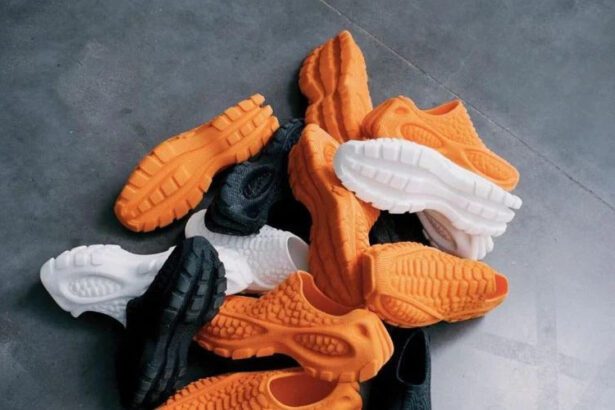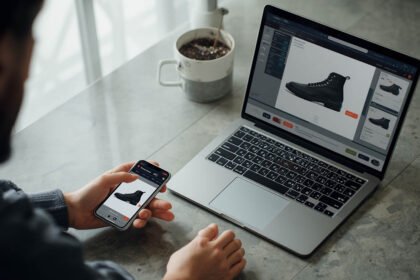
Buying 3D printed shoes can feel risky when a brand says there are no refunds or exchanges. That concern is…
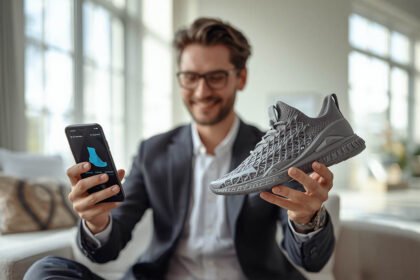
Buying 3D printed shoes often starts with a simple promise: scan your feet, order online, and receive a better-fitting pair.…
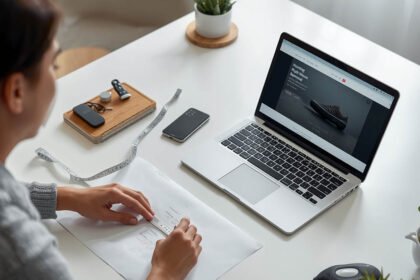
Choosing the right size for 3D printed shoes is not always the same as choosing a regular sneaker size. The…
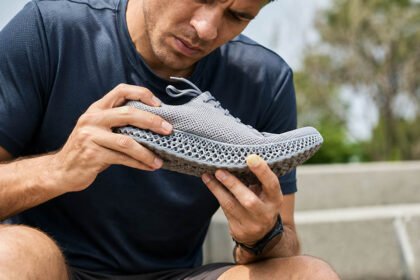
Lattice shoes look open, flexible, and sometimes fragile. That makes the durability question understandable: do lattice shoes break, or are…
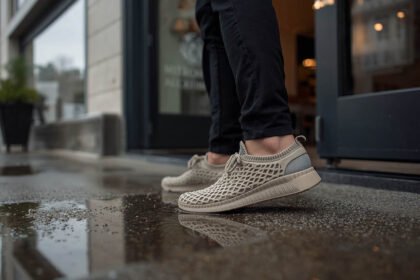
3D printed shoes can handle rain in the right conditions, but they are not automatically waterproof. Their performance depends on…
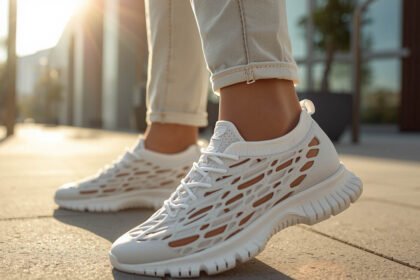
3D printed shoes can be good for hot weather, but only when the design is built for airflow. An open…
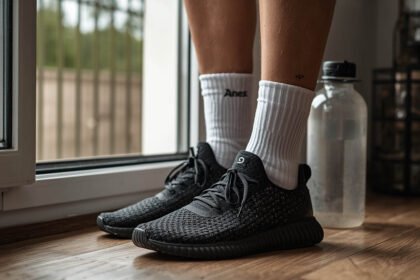
3D printed shoes can smell, but usually for the same reason regular shoes smell: sweat, bacteria, moisture, and poor drying.…
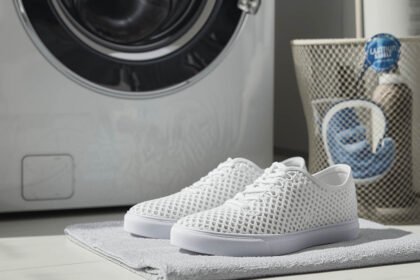
3D printed shoes can look durable because of their flexible lattice structure, but cleaning them is not the same as…
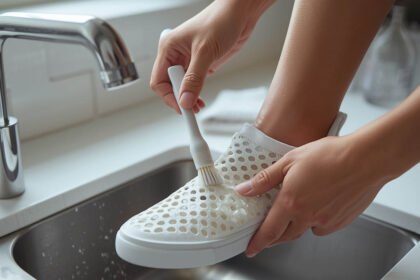
3D printed shoes need a different cleaning routine than regular sneakers. Their open lattice structures can trap sand, dust, mud,…
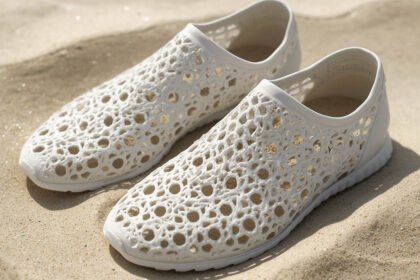
Lattice shoes can feel breathable, flexible, and lightweight, but they also have one practical drawback: sand, pebbles, and dirt can…

Lattice shoes can feel breathable, flexible, and lightweight, but they can also create rubbing points if the fit, material, sock…
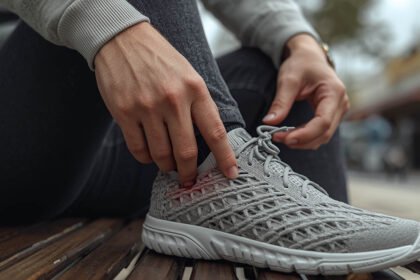
Blisters are a common concern when trying 3D printed shoes—especially because of their open lattice structure and firmer materials. If…