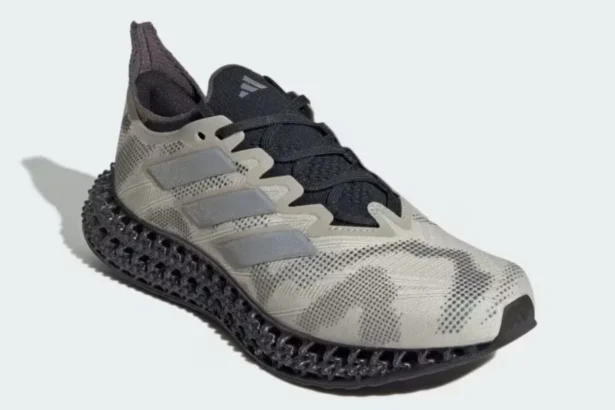


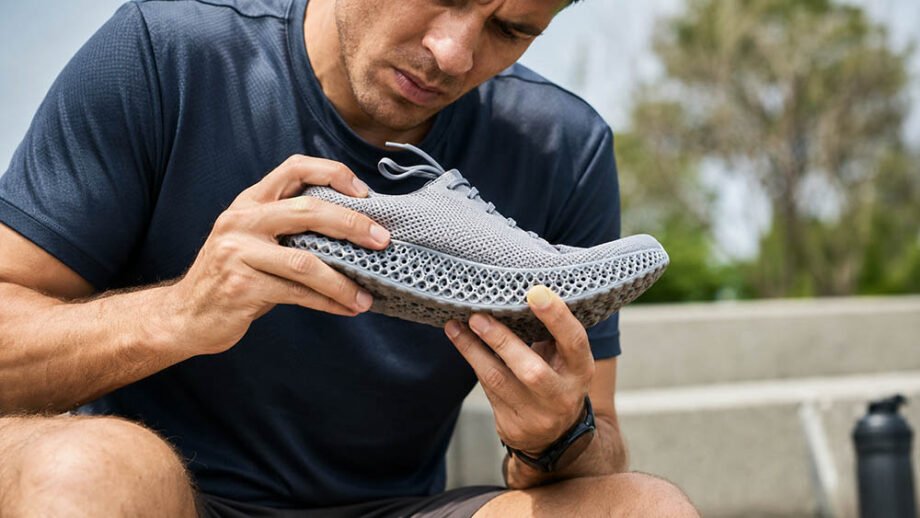
Lattice shoes look open, flexible, and sometimes fragile. That makes the durability question understandable: do lattice shoes break, or are they stronger than they look?
The answer depends on the material, lattice design, print quality, outsole protection, and how the shoe is used. A well-built lattice shoe made from flexible TPU can handle repeated walking and daily compression. A poorly designed or overly thin lattice shoe can crack, flatten, tear, or lose support faster than expected.
Do Lattice Shoes Break Easily?
Lattice shoes do not automatically break easily. The open structure is not always a weakness. In many designs, the lattice is engineered to compress, flex, and rebound under body weight.
The problem starts when the structure is too thin, the material is too rigid, the print quality is inconsistent, or the shoe is used for activities it was not designed to handle.
A casual 3D printed shoe may work well for walking, commuting, errands, and lifestyle wear. That same shoe may wear out faster if used for running, court sports, rough outdoor work, or heavy side-to-side movement.
What “Breaking” Usually Means With Lattice Shoes
When people ask whether lattice shoes break, they may be talking about several different issues:
- Cracks forming in the lattice structure
- Thin printed struts snapping
- Loss of bounce or cushioning
- Permanent compression under the heel or forefoot
- Separation between printed and non-printed parts
- Surface tearing from scraping or abrasion
- Uneven support from collapsed lattice cells
These problems are not equal. A small scuff on the outer surface is usually cosmetic. A cracked support section under the heel or forefoot is more serious because it can affect stability, comfort, and safety.
Why Some Lattice Shoes Look Fragile but Still Hold Up
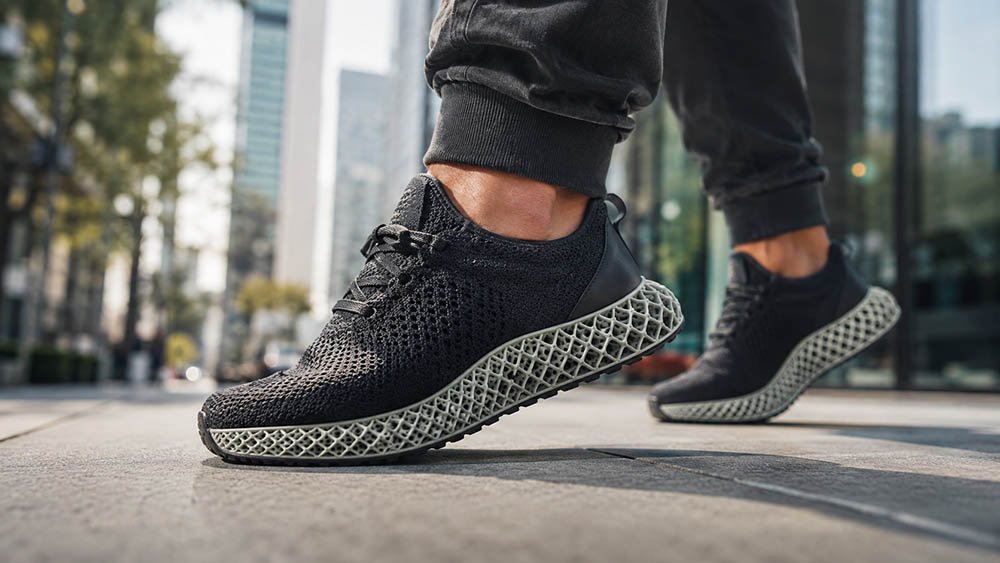
Lattice shoes can look delicate because the structure is visible. Traditional foam midsoles hide their support inside a solid block. Lattice footwear exposes the cushioning geometry, so every gap, rib, and support point is easy to see.
That does not mean the shoe is weak.
A properly engineered lattice can distribute force, compress under pressure, and return to shape after each step. The real question is not whether the shoe has holes. The real question is whether the lattice shape, wall thickness, material, and construction are strong enough for repeated impact and bending.
Why Lattice Shoe Durability Depends on the Material
Material choice is one of the biggest factors in lattice midsole durability.
Many 3D printed lattice shoes use TPU because it is flexible, elastic, and better suited for repeated movement than rigid plastic. A shoe midsole has to compress thousands of times. It needs to absorb force, rebound, and keep supporting the foot without snapping.
A flexible TPU lattice can bend under pressure and return closer to its original shape. That makes TPU more practical for footwear than hard plastics that may crack under repeated flexing.
Rigid Printed Materials Are More Likely to Crack
Not every 3D printed material belongs in a shoe.
Harder plastics can be useful for prototypes, shells, display pieces, accessories, or non-flexing components. They are usually less suitable for midsoles that need to bend and compress with every step.
Footwear needs controlled deformation. The heel compresses. The forefoot bends. The sole twists slightly as the foot moves. If the printed material is too stiff or brittle, 3D printed shoes cracking becomes more likely.
This is why cracking is not simply a 3D printing issue. It is usually a combination of material, geometry, construction, and use.
TPU Fatigue Can Still Happen Over Time
TPU is flexible, but it is not indestructible. Repeated compression, body weight, heat, moisture, impact, and bending can gradually weaken the material.
With TPU fatigue shoes, the first sign may not be a visible crack. The shoe may simply feel different.
You may notice:
- Less spring underfoot
- A flatter heel feel
- Softer support on one side
- Reduced rebound after pressure
- A midsole that stays slightly compressed
- New instability during walking
This kind of fatigue also happens in traditional footwear. Foam midsoles compress and lose rebound over time. Lattice shoes simply make some of that wear easier to see because the structure is exposed.
How Lattice Design Affects Strength
A lattice is made from repeated structural elements. These may look like ribs, columns, waves, cells, honeycombs, or geometric supports.
The strength of the shoe depends on how those elements are shaped, how thick they are, and where they are placed.
Thicker Struts Usually Improve Durability
Thicker lattice struts can usually handle more force than very thin ones. They are less likely to snap, fold, or collapse under pressure.
The trade-off is comfort. A thicker lattice may feel firmer, heavier, or less breathable. A thinner lattice may feel softer and more flexible, but it may not tolerate as much repeated stress.
A good lattice shoe balances both. The heel, forefoot, and outer edges usually need more reinforcement than lower-stress areas.
Very Thin Lattice Structures Can Wear Out Faster
Thin printed structures are more vulnerable in high-pressure zones.
The heel takes repeated impact. The forefoot bends constantly. The outer edge of the sole may absorb uneven pressure from a person’s walking pattern.
If the lattice is too delicate in these areas, weak points can develop. Over time, that may lead to cracks, collapsed cells, broken struts, or uneven cushioning.
A shoe can look impressive in photos and still be too delicate for heavy daily use if the lattice is not designed around real foot pressure.
The Direction of Force Matters
A lattice may handle vertical compression well but struggle with other types of force.
Walking mainly creates downward compression and forward motion. Running adds more impact. Court sports add lateral force. Outdoor work adds scraping, twisting, uneven ground contact, and debris.
A lattice that performs well under straight compression may not perform as well when dragged sideways against pavement or twisted sharply under body weight.
This is one reason intended use matters so much. A lifestyle lattice shoe should not be treated like a performance running shoe unless it was clearly built for that purpose.
Open Lattice Designs Can Concentrate Stress
Stress does not always spread evenly through a lattice.
Sharp corners, thin connection points, abrupt geometry changes, and uneven contact zones can concentrate force in small areas. Those areas may become the first places to crack, weaken, or collapse.
Strong lattice design is not just about making the shoe look technical. The geometry has to guide pressure through the structure without overloading small points.
Where Lattice Shoes Are Most Likely to Crack or Fail
Lattice shoes usually show problems first in areas that receive the most impact, bending, abrasion, or uneven pressure.
Heel Area
The heel is one of the highest-impact zones in footwear. It absorbs repeated force during walking, standing, and running.
If the heel lattice is too soft, too thin, or poorly supported, users may notice compression or loss of stability first. In more serious cases, cracks or collapsed lattice cells can appear near the rearfoot.
A durable lattice heel should compress under load without feeling unstable, uneven, or permanently crushed.
Forefoot Flex Zone
The forefoot bends with every step. This area needs flexibility, but it also needs fatigue resistance.
Thin printed structures in the forefoot may wear faster if they are not designed for repeated flexing. Cracking here matters because the front of the shoe controls push-off, toe movement, and walking comfort.
If the forefoot starts to feel sharp, unstable, overly soft, or uneven, the lattice may no longer be flexing properly.
Outer Sole Edges
Most people do not land perfectly evenly. Some load the outside of the heel. Others roll inward or outward as they walk.
This uneven pressure can stress the outer sole edges. If the lattice is exposed or thin in those zones, wear may appear faster on one side.
This matters more for high-mileage walkers, heavier users, or anyone with a strong gait pattern that repeatedly loads one edge of the shoe.
Exposed Scraping Areas
Lattice structures are more vulnerable when they are scraped instead of compressed.
Pavement, curbs, bike pedals, rocks, rough stairs, gym equipment, and abrasive flooring can damage exposed sections. TPU can flex well, but abrasion is a different type of stress.
Repeated scraping can tear surfaces, nick struts, or weaken exposed edges. This is why outsole protection is important. A lattice midsole with a rubber contact layer may handle abrasion better than a fully exposed printed bottom.
Bonded Seams and Hybrid Parts
Not all printed shoes are fully printed. Some combine a printed midsole with textile uppers, rubber outsoles, foam pieces, or glued components.
In hybrid designs, the lattice may not be the first part to fail. Separation can happen where printed and non-printed materials connect.
A durable shoe needs strong transitions between materials. A strong lattice alone is not enough if the upper, outsole, or adhesive bond fails first.
Real-World Usage: When Lattice Shoes Hold Up Well
Lattice shoes can hold up well when the activity matches the design.
Daily Walking on Smooth Surfaces
Well-made lattice shoes are often best suited for casual walking, commuting, office use, errands, airports, malls, indoor floors, paved sidewalks, and light lifestyle wear.
These settings mainly require repeated compression and normal walking flex. A good TPU lattice can handle this type of use when the shoe is designed for daily wear.
Smooth surfaces are also easier on the lattice than gravel, rocks, mud, or rough concrete.
Light Gym Use
Some lattice shoes may work for light gym sessions, machine-based workouts, standing exercises, and controlled indoor movement.
The key is control.
Light lifting and general gym wear are different from sprinting, jumping, cutting, basketball, or heavy agility drills. A shoe can feel stable during simple gym use but still be the wrong choice for high-force athletic movement.
Warm-Weather Casual Wear
Open lattice shoes can work well in dry, warm conditions. The structure may allow more airflow than solid foam or closed designs, which can make the shoe feel lighter and more breathable.
Dry casual use is also easier to manage because less mud, grit, and debris gets trapped in the lattice.
Short-to-Moderate Wear Sessions
New lattice shoes are often better tested gradually.
Start with shorter wear sessions before using them all day. Two or three hours of walking can reveal pressure points, rubbing, instability, or early discomfort.
This is especially useful with unusual footwear geometry. A shoe may feel fine at first but create hotspots after longer wear.
Real-World Usage: When Lattice Shoes May Wear Out Faster
Lattice shoes may wear out faster when they are exposed to force patterns, terrain, or activity levels beyond their design.
Running Without a Running-Specific Design
Running creates much higher repetitive impact than walking.
A lifestyle lattice shoe may feel comfortable for daily wear but still lack the rebound, traction, stability, and fatigue resistance needed for running.
If a lattice shoe is not built for running, using it as a running shoe can accelerate compression, cracking, and loss of support.
Outdoor Work and Rough Surfaces
Construction sites, gravel paths, rocky areas, warehouses, farms, and rough outdoor surfaces can be harsh on exposed lattice structures.
The issue is not just impact. It is abrasion, sharp edges, debris, dirt, uneven ground, and repeated bending on unpredictable surfaces.
For heavy outdoor use, a traditional protective outsole or enclosed midsole is usually safer unless the lattice shoe is specifically designed for that environment.
Heavy Twisting, Lateral Movement, and Sports
Basketball, tennis, pickleball, court sports, and agility training place strong sideways forces on shoes.
A lattice that compresses well vertically may not handle lateral force well. Thin lattice walls can bend, twist, or tear if the structure is not designed for multi-directional movement.
For sports, sidewall support and stability matter. A soft or open lattice can feel unstable if it was built mainly for straight-line walking.
Frequent Wet and Dirty Conditions
Water alone does not always ruin TPU lattice shoes. The bigger issue is what comes with wet use: mud, sand, grit, salt, and repeated cleaning.
Debris can lodge inside the lattice. When the shoe flexes, those particles can rub against the structure and contribute to surface wear.
Wet shoes also need proper drying. Storing them damp in a closed bag can increase odor and make the material harder to keep clean.
Higher Body Weight or Heavy Load Use
More load means more compression per step. That does not mean heavier users cannot wear lattice shoes, but it does make the support structure more important.
A soft lattice may feel comfortable at first but compress too much under heavier loads. Over time, that can shorten the printed shoe lifespan or create uneven wear.
People who carry heavy bags, stand all day, or walk long distances should pay closer attention to heel stability, midsole rebound, and permanent compression.
Do 3D Printed Shoes Crack Over Time?
Yes, 3D printed shoes can crack over time. But cracking is not guaranteed.
It usually depends on the material, lattice geometry, print quality, wear conditions, and age of the shoe.
A flexible TPU shoe designed for repeated compression is less likely to crack than a rigid printed shoe used under constant bending. A reinforced lattice is also less likely to fail than a thin decorative structure placed in a high-impact area.
Small Surface Marks Are Not Always Structural Failure
Not every mark on a lattice shoe means the shoe is breaking.
Scuffs, small nicks, and surface scratches can happen during normal wear. These are usually cosmetic if the shoe still feels stable, balanced, and supportive.
Structural failure is different. It affects how the shoe performs.
Signs of structural failure include:
- The shoe feels uneven
- The heel collapses more than before
- The forefoot bends awkwardly
- The lattice no longer rebounds
- A crack spreads after each wear
- The shoe feels unstable under body weight
Warning Signs That a Crack Is Serious
A crack becomes more concerning when it appears in a load-bearing area or changes how the shoe feels.
Stop using the shoe for long walks, workouts, or demanding activity if you notice:
- A crack growing after each wear
- The lattice no longer springing back
- One side feeling lower or softer
- New creaking, popping, or snapping sounds
- The foot feeling unstable
- A crack under the heel, arch, or forefoot
- The shoe tilting or collapsing under body weight
A visible crack is not always dangerous, but a crack that changes support should not be ignored.
How Long Do Printed Lattice Shoes Last?
There is no single lifespan for all printed lattice shoes.
A pair worn casually twice a week on smooth surfaces may last much longer than a pair used every day for running, long walks, outdoor work, or rough pavement.
The main factors include:
- Walking volume
- Body weight
- Terrain
- Heat exposure
- Moisture exposure
- Cleaning habits
- Lattice thickness
- Outsole protection
- Material quality
- Print consistency
- Intended use
A printed shoe’s lifespan is not determined by 3D printing alone. It is determined by the full product design and how the shoe is used.
Lifestyle Use Usually Lasts Longer Than Performance Use
Lifestyle wear is generally easier on lattice shoes.
Casual walking, commuting, indoor use, and short outings create less stress than running, jumping, cutting, or long-distance walking.
Performance use creates repeated force and faster fatigue. Even traditional running shoes lose cushioning with mileage. Lattice shoes are no exception.
The more demanding the activity, the more important it is to choose a shoe built specifically for that activity.
Cushioning Can Wear Out Before the Shoe Visibly Breaks
A lattice shoe does not need to crack before it becomes worn out.
The first sign may be reduced comfort. The shoe may feel flatter, less responsive, harder under the forefoot, or softer on one side.
This matters because cushioning failure can affect comfort and alignment even when the shoe still looks usable.
Judge Wear by Feel, Not Just Appearance
Because lattice shoes expose their structure, it is easy to focus on how they look. But feel matters more.
Ask these questions:
- Does the shoe still feel balanced?
- Does the heel compress evenly?
- Does the forefoot flex smoothly?
- Does the shoe rebound after pressure?
- Do both shoes feel the same?
- Are new pressure points appearing?
- Does one side feel lower than the other?
If the shoe feels unstable, uneven, or dead underfoot, it may be nearing the end of its usable life.
Problems and Limitations Buyers Should Know
Lattice shoes can be durable, but buyers should understand their limits before expecting them to perform like every traditional shoe.
Not All Lattice Shoes Are Built the Same
Some lattice shoes are serious footwear products. Others are experimental, fashion-focused, or designed more for visual impact than long-term performance.
A shoe can look advanced while still lacking the support, outsole protection, or fatigue resistance needed for regular use.
Judge lattice shoes by material, intended use, construction, and real wear feedback—not appearance alone.
Repair Options May Be Limited
Once a lattice strut breaks, repair can be difficult.
A small crack in a non-load-bearing area may not be urgent. A broken support structure under the foot is harder to fix properly.
Glue may not restore the original strength, flexibility, or rebound. Patching a flexible TPU lattice is not the same as repairing fabric or replacing laces.
If the damaged area carries weight, replacement is usually safer than improvised repair.
Exposed Lattice Needs More Protection
Traditional midsoles hide their cushioning inside a solid outer wall. Exposed lattice leaves more structure open to scraping, snagging, dirt, and debris.
That does not make exposed lattice bad. It simply means the shoe needs to be used in the right conditions.
A lattice shoe worn mostly indoors may age very differently from one used on rough pavement, gravel, or wet outdoor surfaces.
Print Quality Matters
Print quality can affect durability.
Weak bonding, inconsistent curing, rough transitions, thin spots, or defects can create early failure points. In footwear, small inconsistencies matter because the shoe repeats the same stress cycle thousands of times.
A weak point may survive the first few wears but fail after repeated bending or compression.
Clean geometry and consistent production matter as much as the material itself.
Durability Can Be Hard to Judge Before Buying
It is difficult to judge lattice durability from new product photos. Fresh shoes always look clean and strong.
Better buying signals include:
- Long-term user photos
- Clear intended-use descriptions
- Material information
- Return policy
- Warranty details
- Real wear reviews
- Outsole design
- Reinforcement in high-stress areas
A strong-looking lattice is not always durable. A delicate-looking lattice is not always weak. The context matters.
How to Make Lattice Shoes Last Longer
The best way to extend lattice shoe life is to reduce unnecessary stress on the structure.
Use Them for the Right Activity
Do not use casual lattice shoes for running, court sports, rough work, or long outdoor hikes unless the brand clearly designed them for that purpose.
A lifestyle shoe should be treated like a lifestyle shoe. A performance shoe should clearly state what type of performance it supports.
Rotate Them With Other Shoes
Rotating shoes gives the material more recovery time. It also reduces daily compression and moisture buildup.
Wearing the same lattice shoes every day for long hours will usually age them faster than alternating with another pair.
Rotation is especially useful if the shoe has a soft TPU lattice midsole.
Avoid Dragging, Scraping, and Twisting
Lattice structures usually handle compression better than abrasion.
Avoid dragging your feet, scraping the side of the sole against curbs, or using the shoe around sharp surfaces.
Be careful with bike pedals, rough stairs, gym equipment, and rocky ground. These surfaces can damage exposed lattice sections faster than normal walking.
Clean Debris From the Lattice
Sand, small stones, dirt, and grit can get trapped inside open lattice structures.
Remove debris before it grinds into the shoe during walking. A soft brush, gentle rinse, or careful hand cleaning can help keep the structure clear.
Avoid aggressive tools that could nick or tear thin struts.
Let Wet Shoes Dry Properly
If lattice shoes get wet, let them air dry in an open area.
Do not store them wet in a closed bag, hot car, or sealed container. Avoid high heat, which can be hard on some footwear materials.
Gentle air drying helps preserve the material and reduce odor buildup inside the lattice.
Inspect High-Stress Areas Regularly
Check the heel, forefoot flex zone, outer edges, and bonded seams.
Look for:
- Cracks
- Flattened cells
- Uneven compression
- Separation
- Broken struts
- Loss of rebound
- One side wearing faster than the other
Early inspection helps you avoid wearing a damaged shoe until it becomes uncomfortable or unsafe.
What to Check Before Buying Lattice Shoes
A few details can help you avoid weak or unsuitable lattice footwear.
Material Information
Look for flexible TPU or another material clearly suited for repeated footwear compression.
Do not assume all 3D printed materials are equal. If the brand does not explain the material or intended use, durability is harder to judge.
Intended Use
Check whether the shoe is made for walking, lifestyle wear, running, recovery, gym use, fashion, or performance.
This is one of the most important details. A shoe designed for casual wear should not be judged like a running shoe. A concept-style printed shoe may not be ideal for heavy daily use.
Lattice Thickness in High-Pressure Areas
Look closely at the heel, forefoot, and sole edges. These zones should not look overly delicate compared with the rest of the shoe.
A strong lattice design may use different densities or structures in different parts of the midsole. High-impact zones usually need more support than low-pressure areas.
Outsole Protection
A lattice shoe with a stronger outsole or protected contact zones may handle abrasion better than one with a fully exposed printed bottom.
This matters if you plan to walk outdoors often. The bottom of the shoe touches pavement, concrete, gravel, and other abrasive surfaces.
Return Policy and Warranty
Fit and durability can vary with newer footwear designs. A clear return policy matters, especially if the shoe is expensive or experimental.
A warranty can also suggest that the brand expects the shoe to survive normal use. Read the details carefully because some policies exclude misuse, abrasion, or non-intended activity.
Real User Wear Feedback
Product images show the shoe at its best. Real user feedback shows how the shoe behaves after repeated use.
Look for photos after weeks or months of wear. Pay attention to comments about cracking, flattening, outsole wear, comfort loss, cleaning difficulty, and uneven compression.
Long-term feedback is especially useful with lattice footwear because the structure is exposed and easier to inspect.
When You Should Stop Wearing Damaged Lattice Shoes
Some damage is cosmetic. Some damage means the shoe should no longer be used for serious walking or training.
The Shoe Feels Unstable
Stop using the shoe for long walks or workouts if it feels unstable, tilted, or uneven.
A lattice shoe should compress and rebound evenly. If one side collapses more than the other, the structure may no longer be supporting your foot properly.
Cracks Appear in Load-Bearing Areas
Cracks under the heel, arch, or forefoot are more serious than small cosmetic marks on the side.
These areas carry body weight and control movement. A crack in a load-bearing zone can spread or cause uneven support.
The Lattice No Longer Rebounds
If the lattice stays compressed or feels dead underfoot, the shoe may have reached the end of its useful life.
Loss of rebound can happen even without visible cracking. The shoe may still look intact but no longer provide proper cushioning.
Pain or Hotspots Start Appearing
New pain, rubbing, hotspots, or pressure points can mean the shoe is no longer distributing force evenly.
This is especially important if the shoe used to feel comfortable. A sudden change in comfort often signals a change in structure, fit, or support.
Final Takeaway: Are Lattice Shoes Durable Enough?
Lattice shoes can be durable enough for daily wear when they use flexible materials, smart geometry, good print quality, and proper construction. They are not automatically weak just because they have an open structure.
They are also not indestructible. Exposed lattice designs can be more vulnerable to scraping, debris, twisting, and misuse than traditional enclosed midsoles.
The safest approach is simple: match the shoe to the activity. Use casual lattice shoes for casual wear. Choose performance models for performance use. Inspect high-stress areas, clean debris from the structure, and stop wearing the shoes if they feel unstable, cracked, or permanently compressed.
FAQ About Lattice Shoe Durability
Not always. A well-designed TPU lattice shoe can hold up well for daily walking and casual use. However, exposed lattice shoes may wear faster on rough surfaces, during sports, or when used for activities they were not designed to handle.
Yes. 3D printed shoes can crack after repeated use, especially if the material is too rigid, the lattice is too thin, or the shoe is exposed to heavy impact and twisting. Flexible TPU designs are generally better suited for repeated footwear stress than brittle printed materials.
TPU can be strong enough for shoe midsoles when the geometry and production quality are right. Its flexibility helps it compress and rebound under body weight. However, TPU can still fatigue over time, especially under heavy use, heat, moisture, and repeated impact.
The lifespan depends on use. A pair worn casually on smooth surfaces may last much longer than a pair used daily for running, rough outdoor walking, or sports. Watch for loss of rebound, uneven compression, cracks, and reduced stability.
Minor cosmetic damage may not need repair, but broken load-bearing lattice sections are difficult to fix properly. Glue or patches may not restore the original strength or flexibility. If the shoe feels unstable or cracked under the foot, replacement is usually safer.
Only if they are specifically designed for running. Running creates higher impact and repeated stress than walking. A lifestyle lattice shoe may not have the support, rebound, traction, or durability needed for running.
The first sign is often a change in feel. The shoe may feel flatter, softer on one side, less springy, or less stable. Visible cracks, collapsed lattice cells, and new discomfort are stronger signs that the shoe may be wearing out.