3D printed shoes can look durable because of their flexible lattice structure, but cleaning them is not the same as washing regular sneakers. Many printed shoes use TPU or similar flexible materials, which can handle water better than fabric, suede, or leather. Still, that does not automatically make them safe for the washing machine.
So, can you wash 3D printed shoes? Yes, in many cases, but with caution. Some printed footwear can be cleaned with water, and some pairs may handle a gentle machine cycle. The safer choice is usually hand washing, especially if the shoe has a complex lattice, custom-fit shape, glued parts, mixed materials, or a limited-release design.
The biggest risks are not only water. Heat, spinning, detergent residue, trapped dirt, and mechanical stress can all affect how the shoe looks, fits, and performs.
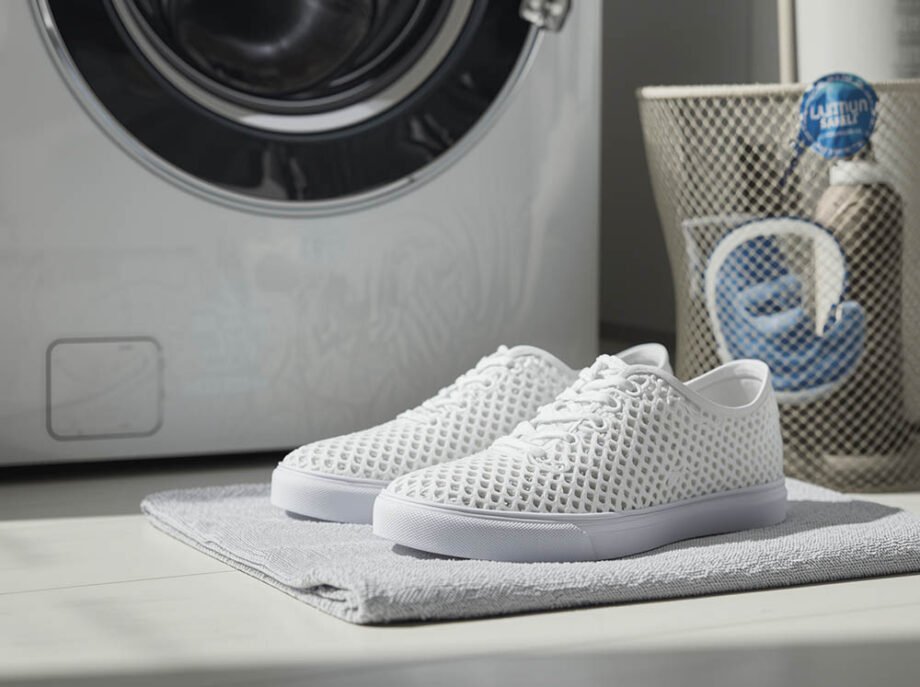
Can You Machine Wash 3D Printed Shoes?
The Short Answer
You can wash some 3D printed shoes, but you should not assume every pair is machine washable.
TPU-based 3D printed shoes are often more water-resistant than traditional fabric sneakers. TPU is flexible and resilient, which is why it is commonly used in printed footwear. It can bend, compress, and rebound during normal use.
But TPU washing safety depends on more than the material. The shoe’s lattice thickness, bonding points, attached components, surface finish, and care instructions all matter.
If the brand says machine washing is allowed, use cold water and a gentle cycle. If there are no care instructions, treat the shoes as delicate and wash them by hand.
When Machine Washing May Be Acceptable
Machine washing may be acceptable when the shoe is made mostly from flexible TPU or another water-tolerant printed material.
It is safer when the shoe does not have leather panels, suede sections, foam pieces, fragile glued parts, electronic components, painted details, or decorative attachments.
A gentle wash can work for light dirt, sweat, and casual wear. For example, if the shoes were used around the city, at the gym, or during dry daily use, a cold delicate cycle may be enough to refresh them.
The shoe should also feel structurally sound. A thicker, flexible lattice is less vulnerable than a thin or delicate printed structure.
When You Should Avoid the Washing Machine
Avoid machine washing if the shoe has mixed materials that could separate, shrink, stain, or warp. Printed shoes with textile uppers, glued insoles, foam midsoles, leather trims, suede details, or coated finishes need more careful cleaning.
You should also avoid the machine if the lattice already feels brittle, cracked, sticky, stretched, or weakened. Washing will not repair structural damage. It can make the problem worse.
Custom-fit 3D printed shoes also need extra caution. Their shape is part of the performance. If heat, pressure, or spinning changes the geometry even slightly, the shoe may not feel the same afterward.
If the shoes are expensive, limited, hard to replace, or important for daily comfort, hand washing is the better decision.
Why 3D Printed Shoes Need Different Cleaning Care
Lattice Structures Trap Dirt Differently
3D printed shoes often use open lattice structures instead of flat panels. These lattices can help with cushioning, airflow, flexibility, and weight reduction. They also create more places for dirt to hide.
Dust, sand, mud, pebbles, grass, lint, and dried sweat can settle deep inside the gaps. On a normal sneaker, dirt often sits on the surface. On lattice shoes, debris can move into the structure and stay there until it is flushed or brushed out.
This is why cleaning printed footwear often takes more than a quick wipe. The outside may look clean while the inner openings still hold grit.
TPU Can Handle Water, But Heat Is the Bigger Risk
TPU is widely used in flexible 3D printed footwear because it can bend repeatedly and return to shape. Water alone is usually not the biggest issue with TPU shoes.
Heat is the bigger concern.
Hot water can soften or affect some polymer-based parts. A heated dryer is even riskier because it combines heat with tumbling. That can distort the lattice, affect fit, or stress connection points.
Harsh detergent can also leave residue inside the lattice or affect surface texture. Strong stain removers, bleach, and aggressive cleaners are not worth using unless the manufacturer specifically allows them.
Printed Footwear Has Stress Points
A printed shoe is not just one solid piece of material. It has geometry. The lattice may be thick in some areas, thin in others, and designed to compress in specific directions.
During walking, the structure flexes in a predictable way. Inside a washing machine, the shoe can twist, hit the drum, fold against towels, or bend in directions it was not designed for.
That does not mean the shoe will automatically break. But repeated machine washing can add stress over time. Thin lattice sections, bonded areas, heel counters, and outsole transitions are the areas most likely to show early wear.
What Can Go Wrong in a Washing Machine?
The Lattice Can Bend, Scuff, or Lose Shape
Machine agitation can press and twist the lattice in unnatural directions. The shoe may rub against the drum or other items, creating scuffs on the outer surface.
A stronger printed shoe may come out fine. A thinner or softer one may come out slightly misshapen, especially if the spin cycle is aggressive.
This is why machine wash lattice shoes with caution. The goal is not only to clean the shoe. The goal is to preserve the structure.
Glued or Attached Parts May Weaken
Many 3D printed shoes are not fully printed. Some include removable insoles, textile liners, logos, outsole elements, foam sections, or attached straps.
These parts may respond differently to soaking and detergent. Adhesives can weaken. Insoles can warp. Labels can peel. Fabric sections can also hold water longer than the printed structure.
A shoe made almost entirely from washable printed material is usually easier to clean than a hybrid shoe made from several components.
Heat Can Damage Fit and Flexibility
Heat is one of the biggest reasons printed shoes get damaged during cleaning.
A hot wash can affect shape. A dryer can be worse. Even direct sunlight or placing shoes near a heater can create uneven drying and unwanted material stress.
This matters even more with custom-fit footwear. If the shoe was printed or selected around a specific foot shape, any change in geometry can affect comfort, pressure points, and support.
Dirt May Stay Trapped Inside the Lattice
A washing machine does not always remove everything. Sand and small stones can remain lodged inside the lattice, especially if they are wedged tightly into corners.
Mud can also turn into residue if it is not rinsed before washing. Once it spreads through the lattice, it may take more brushing to remove.
For heavy dirt, the machine should never be the first step. Shake, rinse, and brush first.
Real-World Usage: When Machine Washing Makes Sense
After Light Everyday Wear
For light daily use, machine washing may not be necessary. If the shoes only have dust, sidewalk dirt, or mild sweat, a damp cloth and soft brush can usually handle the job.
This is common for casual city wear. The shoes may look dirty on the surface, but the lattice is not deeply packed with debris. A quick rinse and air dry may be enough.
Machine washing makes more sense when odor or overall grime has built up and hand cleaning is no longer enough.
After Mud, Rain, or Outdoor Use
Mud is more difficult because it can enter the lattice and harden. If you place muddy printed shoes directly into a washing machine, the cycle may spread grit through the shoe instead of removing it cleanly.
The better approach is to let thick mud soften with cool water. Then rinse it out before deeper cleaning. Use a soft brush to loosen mud from the openings. Only after that should you consider a gentle machine wash.
For outdoor use, timing matters. The longer mud dries inside the lattice, the harder it becomes to remove.
After Beach, Gravel, or Trail Use
Beach sand, small stones, and gravel are some of the most common problems for lattice shoes. They can lodge inside the openings and stay there even after washing.
Before you machine wash lattice shoes used at the beach or on gravel, shake them thoroughly. Tap the soles gently. Rinse through the lattice from different angles. Use a toothbrush or soft brush to work out trapped particles.
A washing machine may help remove fine residue, but it should not be relied on to remove larger debris.
After Gym or Sweat-Heavy Use
After gym use, the main issue is often odor rather than visible dirt. Sweat can collect around the footbed, heel, toe area, and inner lattice.
Remove the insoles if possible and clean them separately. Insoles can hold more odor than the printed shell itself.
After washing, drying is critical. Lattice shoes can look dry on the outside while hidden areas still hold moisture. Let them air dry fully in a ventilated area before wearing or storing them.
How to Machine Wash 3D Printed Shoes More Safely
Check the Brand’s Care Instructions First
Before washing, check the brand’s care instructions. Some brands may allow machine washing under specific conditions. Others may recommend hand cleaning only.
Follow any limits on water temperature, detergent, drying, and cleaning frequency. If no instructions are available, use the safest method: cold water, mild soap, low agitation, and air drying.
Remove Insoles and Loose Parts
Take out removable insoles, laces, clips, charms, straps, or accessories before washing. These parts can deform, tangle, or separate during the cycle.
Clean them by hand instead. Insoles should be washed gently and dried completely before being placed back inside the shoe.
Removing loose parts also reduces stress on the shoe during washing.
Rinse Out Dirt Before Washing
Never machine wash printed shoes while they are packed with mud, sand, or pebbles.
Shake them outside first. Tap the soles lightly. Rinse the lattice with cool running water. Use a soft brush to loosen visible debris.
This step protects both the shoe and the washing machine. It also gives the wash cycle a better chance of cleaning the shoe evenly.
Use a Laundry Bag and Gentle Cycle
Place the shoes in a mesh laundry bag before putting them in the machine. This reduces direct impact against the drum.
Add a few towels to cushion the load, but avoid overpacking the washer. The shoes still need enough room for water to move through the lattice.
Use cold water and a gentle or delicate cycle. Avoid heavy spin settings if your machine allows adjustment. The less violent the cycle, the lower the risk of bending or scuffing the shoe.
Use Mild Detergent Only
Use a small amount of mild detergent. Too much soap can leave residue inside the lattice and make the shoe harder to rinse.
Avoid bleach, strong stain removers, solvent cleaners, and aggressive laundry additives. These may affect the color, texture, or surface finish of the printed material.
For odor, proper cleaning and complete drying usually matter more than stronger detergent.
Never Use a Dryer
Do not put 3D printed shoes in a dryer.
Air dry them at room temperature in a well-ventilated space. Keep them away from heaters, radiators, hair dryers, and strong direct sunlight.
You can place paper towels inside the shoe to absorb moisture, but do not stuff them tightly. Overpacking can push against the structure and affect the shape while the shoe dries.
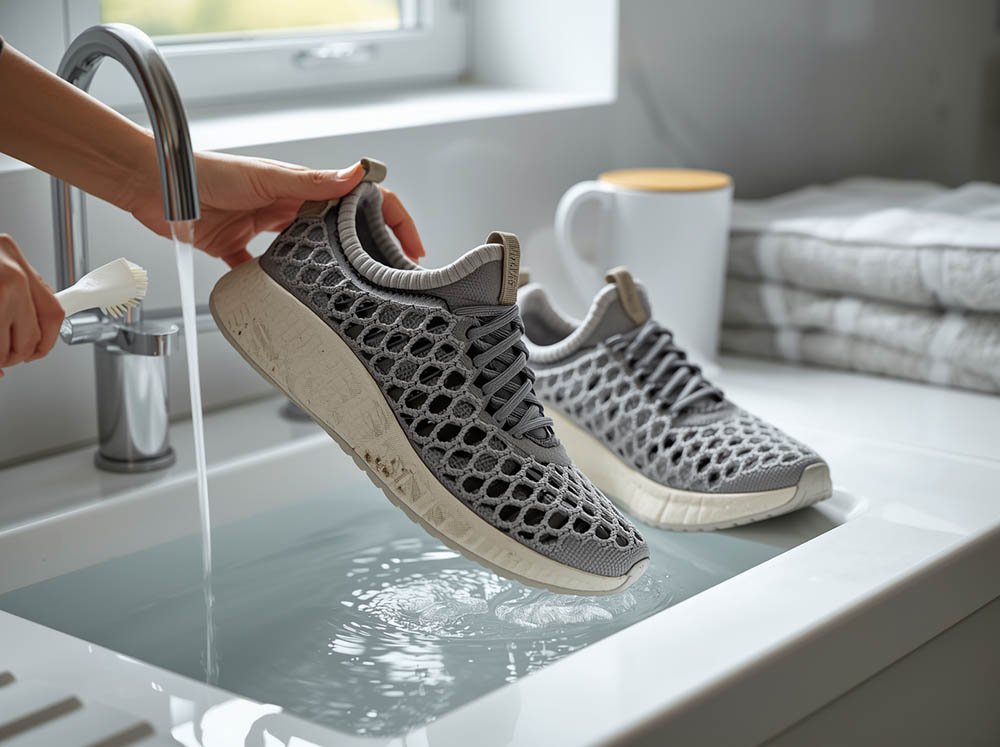
The Safer Alternative: Hand Washing 3D Printed Shoes
Start With a Dry Shake and Debris Check
Before adding water, turn the shoes upside down and shake them. Tap the sole gently to loosen dirt, stones, and sand.
Look closely at the lattice. Check the heel, toe, arch, outsole edges, and deeper openings where debris may collect.
Dry removal helps because some dirt is easier to shake out before it becomes wet and sticky.
Rinse With Cool Water
Use cool or lukewarm water. Let the water run through the lattice openings from multiple angles.
Do not use boiling water or very hot water. Also avoid high-pressure spraying directly into thin sections, especially if the lattice is delicate.
The goal is to flush out dirt without forcing the structure to bend or flex aggressively.
Brush the Lattice Carefully
Use a soft brush, toothbrush, or microfiber cloth. Work in small sections and brush around the openings.
Do not jam hard bristles deep into the lattice. That can stress thin struts or scratch the surface.
For stubborn dirt, let cool water soften the area first. Then brush gently until the debris loosens.
Clean Odor-Prone Areas Separately
Focus on the areas that touch the foot most: the footbed, heel cup, toe zone, and inner sidewalls.
If the shoe has removable insoles, wash them separately with mild soap and water. Rinse well and dry fully.
Do not reassemble the shoe while any part is still damp. Moisture trapped inside the shoe can create odor and discomfort.
How Often Should You Wash 3D Printed Shoes?
Clean Light Dirt After Each Wear
Light maintenance is better than frequent deep cleaning. After each wear, wipe away visible dust or dirt. Shake out small stones or sand before they settle deeper into the lattice.
This is especially important for open lattice shoes. Small debris can become harder to remove once it works its way into the structure.
A quick wipe after wearing can reduce how often you need a full wash.
Deep Clean Only When Needed
Deep cleaning should be occasional. Frequent machine washing can increase wear on the lattice, adhesives, surface finish, and attached components.
If the shoes are only lightly dirty, do not overclean them. Use a damp cloth, a soft brush, or a quick rinse instead.
Hand washing is better for regular care because it gives you more control over pressure, water flow, and drying.
Let the Shoe Fully Dry Between Uses
Drying matters as much as washing. Lattice shoes can trap water in hidden areas, especially around the footbed and internal openings.
Let them dry in open air with good ventilation. Do not store them damp in a gym bag, shoe box, or closed cabinet.
Wearing printed shoes before they fully dry can lead to odor, discomfort, and a damp feel underfoot.
Practical Advice Before You Wash Printed Footwear
Test a Small Area First
Before washing the whole shoe, spot clean a small, less visible area. Check for color transfer, surface changes, stickiness, rough texture, or softening.
This is especially useful for colored printed shoes, coated finishes, and mixed-material designs.
If the test area changes in a bad way, do not continue with a full wash.
Avoid Heat at Every Stage
Use cold water. Skip hot cycles. Never tumble dry. Do not use a hair dryer or heater to speed up drying.
Heat can affect shape, flexibility, and fit. Even if the damage is not obvious at first, the shoe may feel different afterward.
Water can often be managed. Heat is where the risk increases.
Treat Expensive or Custom-Fit Shoes More Carefully
If the shoes are custom-fit, limited, expensive, or difficult to replace, avoid unnecessary machine washing.
Custom-fit printed footwear depends on accurate geometry. Even slight deformation can change comfort and pressure distribution.
For these shoes, hand washing is the best default. It may take longer, but it gives you better control and lowers the chance of damage.
Choose Cleaning Based on the Type of Dirt
Different dirt needs different cleaning.
For dust, wipe or rinse lightly.
For mud, rinse first, then brush.
For sand, shake, flush, and brush before washing.
For odor, remove insoles and dry thoroughly.
For stains, spot clean with mild soap.
This approach is safer than treating every cleaning problem with a full machine wash.
Final Recommendation
Machine Washing Is Possible, But Not Always Worth the Risk
You can wash some 3D printed shoes, especially TPU-based models, but machine washing should not be the default cleaning method.
The safest approach is to check the care instructions, remove loose parts, rinse out dirt first, use cold water, choose a gentle cycle, place the shoes in a laundry bag, and air dry only.
For most printed footwear, hand washing is still the better option. It gives you more control, protects the lattice, reduces stress on attached parts, and lowers the risk of shape changes.
If you are unsure whether your shoes can handle the machine, do not risk it. Clean them by hand with cool water, mild soap, and a soft brush.
FAQ
Sometimes. Some TPU-based 3D printed shoes may tolerate a cold, gentle machine cycle, but only if the material and construction allow it. Always check the brand’s care instructions first.
TPU usually handles water well, but the shoe can still be damaged by heat, harsh detergent, strong spinning, or repeated machine washing. Water is usually less risky than heat and agitation.
They can, but not always completely. Sand, mud, and small debris can stay trapped inside the lattice. Shake, rinse, and brush the shoes before machine washing.
No. A dryer can expose the shoes to heat and tumbling, which may warp the lattice, weaken attached parts, or affect the fit.
Hand washing is usually safest. Use cool water, mild soap, and a soft brush. Rinse through the lattice carefully and let the shoes air dry fully.
Shake out loose debris first. Rinse the lattice with cool water, then use a soft brush or toothbrush to loosen dirt from the openings. Avoid using hard tools that can damage thin printed sections.
They can. Frequent deep washing, especially in a machine, may increase wear on the lattice, adhesives, surface finish, and overall shape. Clean lightly after each wear and deep clean only when needed.